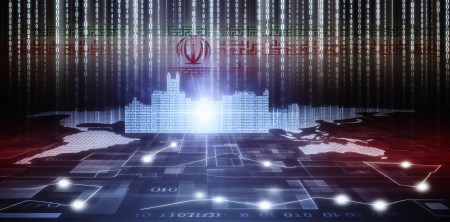
The ongoing conflict between Iran and its adversaries, particularly Israel, has revealed a new dimension of warfare: cyber warfare. As traditional battles take a backseat, the digital frontlines are becoming increasingly prominent, showcasing how technology can be wielded as both a weapon and a tool for espionage. Recent reports highlight how this evolving landscape has led to significant cybersecurity breaches, with hospitals and civilians caught in the crossfire.
The Rise of Cyberattacks in the Iran Conflict
According to a comprehensive analysis by DigiCert, around 5,800 cyberattacks have been traced back to nearly 50 Iran-linked groups. These attacks have targeted networks in the United States, Israel, Bahrain, Kuwait, and Qatar, emphasizing the regional impact of Iran's cyber capabilities. Notably, hospitals, a critical infrastructure component, have found themselves at the forefront of these assaults.
Spyware Tactics: A New Level of Intrusion
The sophistication of cyberattacks in this conflict was recently underscored when Israeli citizens received text messages that appeared to direct them to bomb shelter information. However, these messages concealed a more sinister payload: when clicked, they installed spyware on the users' phones. This spyware granted attackers access to sensitive data, including phone cameras, location tracking, and personal information.
This incident reflects a troubling trend in modern warfare, where the line between combatants and civilians blurs, and where personal devices can become conduits for espionage. Such tactics not only threaten national security but also infringe on individual privacy and safety.
The Impact on Healthcare Systems
Cyberattacks on hospitals pose a particularly grave risk, as they compromise systems that are vital to the health and safety of the public. The healthcare sector has often been a soft target for cybercriminals due to its reliance on interconnected technologies and the sensitive nature of the data it handles. When hospitals are targeted, the consequences can be dire, affecting patient care and emergency response capabilities.
- Disruption of Services: Cyberattacks can lead to shutdowns of critical systems, delaying surgeries and treatments.
- Data Breaches: Personal health information can be stolen, leading to identity theft and privacy violations.
- Financial Costs: The economic burden of recovering from cyberattacks can be substantial, diverting resources from patient care.
International Response and Cyber Defense
The rise of cyber warfare has prompted nations to reassess their cybersecurity strategies. Governments are investing heavily in digital defense systems, training personnel to handle cyber threats, and collaborating with international partners to strengthen their networks. The complexity of cyber threats necessitates a coordinated response that transcends borders.
For instance, Israel, known for its advanced cyber capabilities, has been at the forefront of developing technologies to counteract these threats. The Israeli Defense Forces (IDF) have established specialized units focused on cyber warfare, aiming to protect critical infrastructure from both state-sponsored and independent cyber actors.
Investigative Insights: The Digital Frontlines
Investigative journalists and cybersecurity experts are working tirelessly to uncover the extent of these cyber conflicts. David Klepper from the Associated Press is among those reporting on the implications of the Iran conflict in the realm of cybersecurity. His findings shed light on how governments and organizations must remain vigilant in the face of evolving threats.
Klepper emphasizes that the digital battlefield is now as crucial as any physical ground, with implications for national security, diplomatic relations, and public safety. The ability of adversaries to disrupt or damage critical infrastructure through cyber means necessitates a robust response from all nations involved.
The Future of Warfare: Preparing for the Digital Age
As conflicts like the one in Iran continue to unfold, the integration of cyber warfare into military strategy will likely expand. The lessons learned from these incidents underscore the importance of developing comprehensive cybersecurity frameworks that not only protect national interests but also safeguard civilian life.
In conclusion, as the lines between traditional and digital warfare blur, it is essential for governments, organizations, and individuals to adapt to the changing landscape. The conflict between Iran and its adversaries serves as a stark reminder that the future of warfare is not only fought with weapons but also through cyberspace, where every click can have far-reaching consequences.

