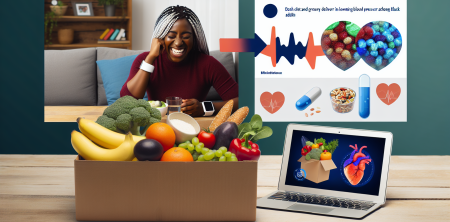
Hypertension, a prevalent condition affecting millions, particularly in underserved communities, has been the focus of numerous studies aimed at finding effective management strategies. Recent findings presented at the American College of Cardiology's annual session highlight a significant breakthrough: the combination of the DASH diet and grocery delivery services can drastically lower blood pressure in Black adults living in food deserts.
The DASH Diet Explained
The DASH (Dietary Approaches to Stop Hypertension) diet is designed to combat high blood pressure through a focus on nutrient-rich foods. It emphasizes:
- Fruits and vegetables
- Whole grains
- Lean proteins
- Low-fat dairy products
- Limited saturated fats, added sugars, and sodium
The DASH diet aims for a potassium-to-sodium ratio of 2:1, encouraging participants to consume foods rich in potassium while minimizing sodium intake. This dietary approach not only helps in managing blood pressure but also promotes overall heart health.
Study Overview
In the study, researchers evaluated the effects of personalized DASH diet grocery deliveries and dietitian guidance on patients diagnosed with hypertension. The participants were primarily Black adults residing in food deserts—areas with limited access to affordable and nutritious food.
Over a three-month period, half of the 200 participants received:
- Personalized support from dietitians
- Groceries delivered to their homes
- Education on dietary restrictions—emphasizing no added salt and limited saturated fats under 7% of total calorie intake
- A focus on whole foods, avoiding processed items and sugars
The other half of the participants received only a grocery allowance along with a brochure detailing healthy eating guidelines. This comparison allowed researchers to assess the impact of direct support and access to healthy foods.
Impressive Results
The results of the study were nothing short of remarkable. Participants who received the DASH diet support saw a reduction in systolic blood pressure by an average of 7 mm Hg. This level of improvement is comparable to the effects of commonly prescribed antihypertensive medications, showcasing the potential of dietary interventions in managing hypertension.
Additionally, this group experienced a drop in low-density lipoprotein (LDL) cholesterol by 7 mg/dL, further indicating the positive impact of dietary changes on heart health.
In contrast, the participants who received only the grocery allowance saw minimal changes, underscoring the importance of personalized dietary support in achieving significant health outcomes.
The Importance of Accessibility
Food deserts pose a significant challenge to health, particularly for communities of color. Limited access to fresh produce and healthy food options can lead to poor dietary habits and increased risk of chronic conditions such as hypertension and diabetes. The study’s findings shed light on the critical role that accessible healthy food plays in managing these health disparities.
The combination of the DASH diet and grocery delivery not only provides essential nutrients but also empowers individuals with the knowledge and resources to make healthier choices. This approach can serve as a model for future public health initiatives aimed at reducing health inequalities.
Broader Implications
The success of this intervention could have broader implications for public health strategies across the United States. As the country grapples with rising rates of hypertension and related health issues, implementing similar programs could help to:
- Reduce healthcare costs associated with chronic disease management
- Enhance the quality of life for individuals living in food deserts
- Promote community engagement and awareness around nutrition and health
Public health officials and policymakers must take note of these findings and consider ways to incorporate dietary interventions into existing health programs, especially for underserved populations.
Final Thoughts
The study presented at the American College of Cardiology's annual session highlights a transformative approach to managing hypertension through diet and accessibility. By leveraging the DASH diet alongside grocery delivery services, we can make significant strides in improving health outcomes for Black adults in food deserts. As we look toward the future, prioritizing access to healthy food and personalized dietary support could be key in tackling the challenges posed by hypertension and ensuring that all communities have the resources they need to thrive.

