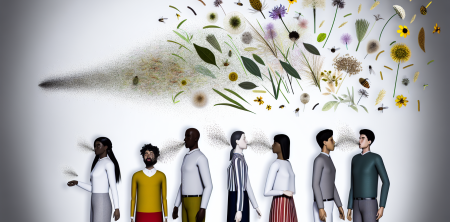
In recent years, the term botanical sexism has emerged in conversations about pollen allergies and urban landscaping. At first glance, this concept might seem credible, suggesting that the gender of trees plays a significant role in exacerbating allergic reactions. However, a closer examination reveals that botanical sexism is more of a marketing strategy than grounded science. A recent video analysis critiques this notion, highlighting critical research that disputes the idea that male and female trees are responsible for most pollen allergies.
Understanding Botanical Sexism
Botanical sexism posits that male trees, which produce pollen, are the primary culprits behind pollen allergies, while female trees, which bear fruit and seeds, are considered less problematic. This perspective has led to a widespread belief among urban planners and the public that planting more female trees could mitigate allergy issues. However, this ideology oversimplifies a complex ecological issue.
The True Culprits: Grass and Ragweed
Research shows that the majority of pollen-related allergies are not attributed to trees at all, but rather to grasses and ragweed. According to studies published in reputable journals such as Urban Forestry & Urban Greening and ScienceDirect, these plants are responsible for a significant portion of seasonal allergies affecting millions. For instance, ragweed pollen is known for its potent allergenic properties and can travel long distances, impacting individuals far from its source.
Scientific Evidence Against Botanical Sexism
In dissecting the claims of botanical sexism, various studies have been highlighted that provide a more nuanced understanding of pollen allergies. These studies utilize a variety of methods, including:
- Field Surveys: Researchers conducted surveys in urban areas, measuring the pollen levels of different plant species. The results consistently indicated that grasses and ragweed were the predominant sources of allergy-inducing pollen.
- Pollen Count Analysis: Quantitative analyses of pollen counts revealed that tree pollen, while present, was significantly lower than that from grasses and ragweed during peak allergy seasons.
- Environmental Studies: Investigations into environmental factors affecting pollen dispersion and allergy prevalence underscored the impact of climate change and urbanization on pollen levels, rather than the specific gender of trees.
Marketing Strategies and Urban Planning
The propagation of the botanical sexism concept has roots in marketing strategies by nurseries and landscaping companies. By promoting the idea that planting more female trees can combat allergies, these businesses aim to drive sales of specific tree types. This approach not only misguides consumers but also affects urban planning decisions.
Urban planners, influenced by the botanical sexism narrative, may prioritize the planting of female trees, believing it to be a solution to pollen allergies. However, this can lead to unintended consequences, such as:
- Biodiversity Loss: Favoring one tree gender over another can disrupt local ecosystems and reduce biodiversity.
- Increased Maintenance Costs: Female trees often require more maintenance due to fruit and seed production, complicating urban landscape management.
The Role of Environmental Factors
Environmental factors play a critical role in the prevalence of pollen allergies and are often overlooked in the botanical sexism discussion. Factors such as:
- Climate Change: Rising temperatures and changing weather patterns can extend pollen seasons and increase the overall amount of pollen produced.
- Urbanization: The expansion of urban areas alters local ecosystems, potentially exacerbating pollen allergies by creating conditions favorable to specific allergenic plants.
Understanding these factors is essential for developing effective strategies to manage pollen allergies, rather than focusing solely on the gender of trees.
Conclusion: A Call for Informed Urban Planning
As we navigate the challenges of urban landscaping and allergy management, it is crucial to shift our focus away from botanical sexism and towards a more informed understanding of the true causes of pollen allergies. By recognizing that grasses and ragweed are the primary offenders, urban planners and individuals can make better-informed decisions in landscaping and environmental management.
Ultimately, combating pollen allergies requires a holistic approach that considers a variety of factors, including environmental changes and local ecosystems. It is time to move past misleading marketing narratives and embrace a science-based perspective that prioritizes the health and wellness of urban populations.

