```html
Understanding Learning Styles: A Conceptual Overview
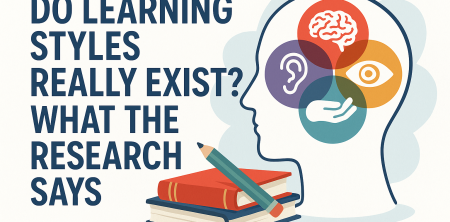
The notion of learning styles has captivated educators, psychologists, and students alike for decades. At its core, the idea posits that individuals have preferred ways of learning — be it visual, auditory, kinesthetic, or some other modality. This approach suggests that tailoring educational experiences to match these styles can enhance learning outcomes. But how solid is this theory? Is there empirical evidence backing the efficacy of customizing teaching methods to suit individual learning preferences?
To answer these questions, it’s essential to unpack the origins of the learning styles theory, explore the varied models proposed, and examine the extensive body of research that questions the validity of these claims.
The Origins of Learning Styles Theory
The roots of learning styles can be traced back to multiple psychological theories. One of the earliest proponents was psychologist Howard Gardner, known for his theory of multiple intelligences, introduced in 1983. Gardner proposed that intelligence is not a single entity, but rather a combination of various types including linguistic, logical-mathematical, spatial, bodily-kinesthetic, musical, interpersonal, intrapersonal, and naturalistic intelligences. This theory laid the groundwork for understanding that individuals may learn differently based on their unique intelligences.
Subsequently, researchers began developing various models of learning styles. One popular model is the VARK system, which categorizes learners into four groups: Visual, Auditory, Reading/Writing, and Kinesthetic. Another well-known approach is the Myers-Briggs Type Indicator (MBTI), which, while not exclusively a learning styles model, has been used in educational settings to tailor teaching methods to personality types.
The Popularity and Appeal of Learning Styles
The concept of learning styles gained immense popularity in educational circles, appealing to both educators and students. For teachers, it offered a framework for differentiating instruction. For students, it provided a sense of agency — the idea that they could take ownership of their learning by understanding their preferred styles.
In practice, this has led to a proliferation of learning resources, workshops, and training programs aimed at helping educators identify and cater to diverse learning styles. According to a 2016 survey by the Education Sector, approximately 94% of teachers believed in the existence of learning styles and utilized learning styles assessments in their classrooms.
Scrutinizing the Evidence: Do Learning Styles Hold Up?
Despite the widespread acceptance of learning styles, rigorous scientific inquiry has cast doubt on the theory's validity. A comprehensive review published in 2018 in the journal *Psychological Science in the Public Interest* analyzed over a decade of research and found no strong evidence supporting the idea that teaching to individual learning styles improves learning outcomes.
The authors of this meta-analysis called for educators to reconsider the implementation of learning styles in their teaching practices. They pointed out that while learning preferences exist, they may not be as impactful as once believed. Instead, the effectiveness of teaching strategies is more closely linked to the content being taught and the cognitive abilities of the learner.
The Cognitive Science Perspective
Cognitive scientists argue that effective learning is more about how information is presented and organized rather than matching it to an individual's preferred learning style. Research indicates that techniques such as spaced repetition, retrieval practice, and interleaved learning are far more effective in promoting long-term retention and understanding.
For instance, a study published in *Psychological Science* found that students who practiced retrieval of information from memory performed better on assessments than those who simply reviewed material in their preferred learning style. This suggests that the process of learning itself, rather than the medium through which it occurs, is vital to educational success.
Practical Insights: What Should Educators Do?
Given the skepticism surrounding learning styles, educators may wonder how to approach instruction effectively. Here are several practical insights: (See: Learning styles - Wikipedia.)
- Diverse Teaching Methods: Instead of tailoring instruction to specific learning styles, consider using a variety of teaching methods. Incorporating visual aids, hands-on activities, discussions, and written materials can engage multiple senses and cater to varied learning preferences.
- Focus on Evidence-Based Practices: Employ research-backed instructional strategies like spaced learning and formative assessments. These methods are proven to enhance understanding and retention, regardless of a student's preferred learning style.
- Encourage Metacognition: Teach students to be aware of their learning processes. Encouraging self-reflection about what study methods work best for them can empower students and promote deeper learning.
- Personalized Learning Paths: While learning styles may not be the answer, personalizing learning experiences based on students' interests and goals can foster motivation and engagement.
Current Relevance: The Shift Toward Evidence-Based Education
The conversation around learning styles reflects a broader trend in education toward evidence-based practices. As educators increasingly seek methods supported by robust research, the emphasis is shifting from anecdotal evidence to scientifically validated approaches. This shift is critical for improving educational outcomes in classrooms worldwide.
Educational institutions are now prioritizing professional development centered around research-driven instructional techniques. This empowers teachers to adopt methods that engage students more effectively and lead to better academic performance.
The Role of Technology in Learning
As technology continues to evolve, it offers new opportunities for personalized learning experiences. Tools such as adaptive learning platforms can analyze students' performance in real-time and modify content to suit their needs. While this doesn’t directly relate to learning styles, it demonstrates the capacity for individualized educational experiences without relying on the outdated model of matching instruction to specific styles.
Moreover, technology enables access to a wealth of diverse learning resources. Online courses, video lectures, and interactive simulations allow students to engage with content in various forms, catering to their unique preferences and enhancing their overall learning journey.
Expert Opinions: What Do Educators Think?
To gain a deeper understanding of the ongoing debate over learning styles, it's helpful to consider perspectives from educational experts. Many educators express concern over the potential for learning styles to limit students by suggesting rigid categories. Dr. Barbara Oakley, an educator and author of *A Mind for Numbers*, stresses that while people do have preferences, it’s important to provide a mix of approaches to learning rather than pigeonholing students into specific styles.
Similarly, cognitive scientist Dr. Daniel Willingham asserts that simply labeling students by learning style may detract from the actual learning process. He advocates for teaching methods that engage all students in a variety of ways, fostering a love for learning that transcends stylistic labels.
The Importance of Student Motivation
Motivation plays a pivotal role in learning, often overshadowing the significance of learning styles. When students are motivated, they are more likely to engage with the material, regardless of whether it aligns with their supposed preferred learning style. Research by the Institute for Educational Sciences indicates that students who are intrinsically motivated perform better academically compared to those who depend on extrinsic motivators.
Creating a learning environment that fosters motivation can be achieved through positive reinforcement, providing choices, and encouraging curiosity. For instance, a student who is interested in a particular subject may take initiative to explore it further, using various resources including videos, books, and hands-on experiences. This multi-faceted approach to learning allows students to absorb information in a way that resonates with them personally, regardless of the learning style they may identify with.
Case Studies: Successful Implementation of Diverse Strategies
Let’s look at some case studies showcasing how educators have successfully implemented diverse instructional strategies that do not rely on learning styles.
One example is a middle school in California that adopted a blended learning model. This model combined traditional classroom instruction with online learning. Teachers provided students with various resources such as interactive simulations, collaborative projects, and individual research assignments. Over the course of a year, student performance on standardized tests improved by 30% compared to previous years, illustrating the power of varied instructional strategies.
Another case involved a high school in New York that integrated project-based learning into their curriculum. Students worked on real-world problems that required critical thinking and collaboration. Rather than focusing solely on individual learning styles, the curriculum encouraged students to approach problems from multiple angles, resulting in enhanced engagement and understanding of complex concepts.
Comparing Learning Styles and Learning Environments
When discussing learning styles, it’s also valuable to consider how different learning environments can impact student outcomes. For example, a structured classroom with clear expectations may benefit students who thrive in orderly conditions. Conversely, a more dynamic, flexible environment might cater better to those who enjoy exploration and creativity. (See: Learning disabilities and treatment - NIH.)
Research shows that students often adapt their learning strategies based on their surroundings. In a study conducted by education researchers at the University of Massachusetts, it was revealed that students learning in collaborative settings demonstrated improved problem-solving skills compared to those in traditional lecture-based formats. This suggests that the environment, rather than an individual’s learning style, played a significant role in their success.
Frequently Asked Questions (FAQ)
What are the most common learning styles?
The most commonly referenced learning styles include Visual (learning through seeing), Auditory (learning through listening), Read/Write (learning through reading and writing), and Kinesthetic (learning through doing). These categories stem from the VARK model.
Is there any scientific evidence supporting learning styles?
While many believe in learning styles, scientific reviews have found little evidence that aligning teaching methods with students' preferred learning styles significantly improves educational outcomes. Most research suggests that effective learning depends more on the methods utilized rather than matching to learning styles.
How can I identify my learning style?
Many assessments and questionnaires are available online to help you identify your preferred learning style. However, it might be more beneficial to assess your learning preferences in various contexts and be open to multiple approaches rather than limiting yourself to a single style.
Can learning styles change over time?
Yes, learning preferences can change based on experiences, maturity, and exposure to different teaching methods. Being adaptable and willing to try new strategies can enhance your overall learning experience.
What are some effective teaching strategies that don't rely on learning styles?
Effective strategies include using a variety of instructional methods, encouraging collaborative learning, incorporating technology, providing opportunities for self-directed learning, and fostering metacognition among students. These approaches can engage a wider range of students and improve learning outcomes.
Emerging Perspectives on Learning Styles
In recent years, a new wave of thought has emerged around the concept of learning styles, focusing more on the interplay between learning preferences and effective teaching strategies. Educators now advocate for a broader understanding of how students process information, highlighting that while students may identify with certain styles, their ability to learn can be enhanced by diverse instructional methods. By recognizing this complexity, educators can avoid pigeonholing students into static categories and instead offer a more holistic educational experience.
Impact of Learning Styles on Curriculum Design
The recognition of learning styles has significant implications for curriculum design. While it's critical to acknowledge the limitations of the learning styles theory, integrating a variety of teaching methods in curriculum development is essential for addressing diverse student needs. This inclusive approach not only helps students feel more engaged but also supports differentiated instruction, which is crucial for accommodating various learning preferences in the same classroom.
For example, a curriculum that combines visual aids, cooperative learning, and direct instruction can cater to multiple learning preferences simultaneously. This not only benefits students who might identify strongly with one style but also encourages others to explore different approaches to learning.
Research Findings: The Future of Learning Styles
Research in education continues to evolve, with studies increasingly focusing on the impact of diversity in teaching methods rather than strictly adhering to learning styles. For instance, a 2020 study revealed that students who experienced a mix of instructional approaches reported higher satisfaction and engagement levels than those who were taught using a single method. This suggests that the flexibility of teaching methods may be more beneficial than aligning those methods to specific learning styles.
Such findings are paving the way for a shift in how educators perceive the relationship between learning preferences and teaching effectiveness. As we gather more empirical evidence, the focus may continue to shift from categorizing students into rigid learning styles to appreciating the unique cognitive processes that each student brings to the learning environment.
Inclusive Education: Beyond Learning Styles
Inclusion in education means recognizing that every student brings a unique background, experience, and set of needs. Rather than relying solely on the concept of learning styles, an inclusive educational framework emphasizes the importance of cultural, social, and emotional factors in learning. By adopting a multi-faceted approach, educators can create an environment that respects and nurtures each student's individuality, fostering a deeper understanding and appreciation for the material being taught.
Implementing inclusive practices in the classroom can include strategies like adaptive learning technologies, differentiated instruction, and universal design for learning principles. These elements help create a more equitable learning environment where every student can thrive, regardless of their background or perceived learning style.
The Global Perspective on Learning Styles
Different cultures may also influence how learning styles are perceived and applied in educational settings. In some cultures, collaborative learning is highly valued, leading to teaching practices that emphasize group work and peer engagement. In contrast, other cultures might prioritize individual achievement and competition. Understanding these cultural dimensions of learning can provide educators with insights into how to better connect with their students across diverse settings.
For instance, an international school with a diverse student body could benefit from incorporating various teaching strategies that reflect the cultural backgrounds of its students. This could involve blending traditional instructional methods with collaborative projects that foster teamwork and communication, ultimately enriching the educational experience for all students.
Conclusion: Moving Beyond Learning Styles
The debate surrounding learning styles serves as a critical reminder of the importance of grounding educational practices in robust scientific evidence. While the concept may remain popular, ongoing research demonstrates that effective teaching strategies are not one-size-fits-all, but rather an intricate blend of various methods tailored to the learning content and cognitive processes involved.
It’s time for educators to embrace a more nuanced approach to teaching, one that fosters flexibility, creativity, and adaptability. As we move beyond the learning styles myth, we can create richer, more effective educational environments that truly meet the diverse needs of all learners.
```
Trending Now
- our breakdown of unlock your future: exciting frontend developer opportunity with quinncia inc. and free frontend developer course
- Irreversibility in Preschool: Why Young Children Struggle with Reversing Actions
- our breakdown of conservation and logical thinking in middle school students
- read the full story
- Why Object Permanence Matters for Preschool…
Frequently Asked Questions
What are learning styles?
Learning styles refer to the various ways individuals prefer to learn, such as visual, auditory, or kinesthetic modalities. The theory suggests that tailoring educational experiences to match these preferences can enhance learning outcomes.
Is there evidence supporting learning styles?
Numerous studies have questioned the validity of learning styles theory, indicating that there is limited empirical evidence to support the effectiveness of customizing teaching methods based on individual learning preferences.
Who developed the learning styles theory?
The learning styles theory has roots in various psychological frameworks, notably Howard Gardner's theory of multiple intelligences introduced in 1983, which posits that intelligence is multifaceted and influences how individuals learn.
What is the VARK model?
The VARK model categorizes learners into four types: Visual, Auditory, Reading/Writing, and Kinesthetic. It is one of the popular frameworks used to understand different learning preferences in educational settings.
How did learning styles become popular?
Learning styles gained popularity in educational circles due to their appeal in personalizing teaching methods. However, this popularity has been met with skepticism as research continues to question the effectiveness of such tailored approaches.
What's your take on this? Share your thoughts in the comments below — we read every one.

