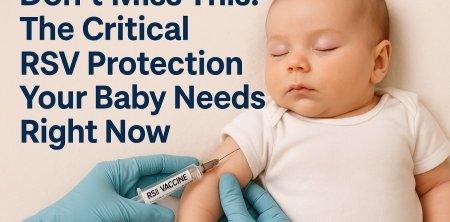
As a seasoned educator and a parent myself, I've spent years advocating for the well-being of children, both in and out of the classroom. When it comes to something as vital as infant health, especially concerning respiratory syncytial virus (RSV), the urgency is palpable. The American Academy of Pediatrics (AAP) recently underscored the importance of RSV immunization for all infants under 8 months old entering their first RSV season. This isn't just another recommendation; it's a critical shield for our most vulnerable, unless, of course, they already have documented protection from maternal vaccination. These updated guidelines, which align with other leading medical societies, also broaden the high-risk criteria for RSV immunization in older infants (8-19 months) heading into their second season. Why? Because real-world data overwhelmingly shows its efficacy in preventing hospitalizations, and honestly, no parent wants to face that.
Finding the right place to get this immunization can feel like a daunting task, especially when you're already juggling the demands of new parenthood. But securing this protection for your little one is paramount. So, if you're asking yourself, "Where are the best RSV immunization clinics near me?" you've come to the right place. We're going to dive deep into some of the top options available, looking at what makes them stand out, their accessibility, and what other parents are saying. This isn't just about a shot; it's about peace of mind, knowing you've done everything you can to protect your child from a potentially severe illness.
1. Pediatric Specialists of America (PSA): Comprehensive Care and Accessibility
When you're searching for the best RSV immunization clinics near me, a place like Pediatric Specialists of America (PSA) often comes up for good reason. They've built a reputation for offering comprehensive pediatric care, and their approach to immunizations, particularly for RSV, is no exception. What sets PSA apart is their focus on holistic child health. It's not just about administering a shot; it's about integrating that immunization into a broader health plan for your child, ensuring all their developmental and health needs are met.
Parents frequently praise PSA for its accessible locations and flexible scheduling, which, let's be honest, is a huge win for busy families. They understand that life with an infant is unpredictable, and they strive to make the process as smooth as possible. Reviews often highlight the compassionate and knowledgeable staff, who take the time to answer questions and ease any anxieties parents might have about the immunization process. This level of patient-centered care makes a significant difference, especially when dealing with something as sensitive as an infant's first major immunization.
2. Children's Hospital Immunization Centers: Expertise You Can Trust
For many parents, a Children's Hospital Immunization Center is the gold standard, and rightfully so. These centers are often at the forefront of pediatric medicine, staffed by specialists who deal with childhood illnesses and preventative care day in and day out. When considering the best RSV immunization clinics near me, the expertise found in a dedicated children's hospital setting is hard to beat. They adhere to the latest AAP guidelines rigorously and often have protocols in place for monitoring and managing any post-immunization reactions, however rare.
What's truly beneficial about these centers is their specialized environment. Everything from the waiting rooms to the examination rooms is designed with children in mind, helping to create a less intimidating experience for both infants and their parents. Parents' reviews consistently mention the high level of medical professionalism and the sense of security they feel knowing their child is in the hands of pediatric experts. While they might sometimes have longer wait times due to high demand, the peace of mind they offer is often considered well worth it.
3. Local Community Health Centers: Affordable and Accessible Options
Community Health Centers play an absolutely vital role in public health, especially when it comes to ensuring equitable access to critical immunizations like the RSV shot. If you're wondering "Where are the best RSV immunization clinics near me that are also budget-friendly?" these centers should be high on your list. They often operate on a sliding scale or accept a wide range of insurance plans, making them accessible to families from all socioeconomic backgrounds. This commitment to accessibility is something I deeply appreciate, as I believe every child deserves the same level of protection, regardless of their family's financial situation.
Beyond affordability, these centers are typically deeply integrated into their local communities, which means they understand the specific needs and demographics of the families they serve. While they might not always have the same extensive facilities as a major children's hospital, their staff are often incredibly dedicated and skilled in pediatric care. Many reviews praise the friendly atmosphere and the personalized attention received, emphasizing that despite being community-focused, the quality of care remains high. They're a fantastic resource for ensuring that essential immunizations reach everyone who needs them.
4. Major Retail Pharmacy Chains (e.g., CVS, Walgreens): Convenience for Older Infants
While the initial RSV immunization for infants under 8 months typically requires a pediatrician's office or a dedicated clinic, for older infants (8-19 months) meeting the high-risk criteria for a second RSV season, major retail pharmacy chains like CVS or Walgreens are becoming increasingly viable options. This is a game-changer for parents seeking sheer convenience. When you're constantly on the go, the ability to pop into a pharmacy for an immunization can be incredibly appealing. These pharmacies have expanded their clinical services significantly over the past few years, making them more than just places to pick up prescriptions.
It's important to note that specific age restrictions and immunization protocols can vary by state and even by individual pharmacy, so always call ahead. However, for eligible older infants, the convenience factor is undeniable. Many locations offer extended hours, weekend appointments, and often shorter wait times compared to a bustling pediatric office. Parents frequently highlight the ease of online scheduling and the availability of pharmacists who are trained to administer immunizations safely and efficiently. Just be sure to confirm their capacity to immunize infants and check if a pediatrician's prescription is required in your specific case. (See: CDC RSV information and guidelines.)
5. Your Pediatrician's Office: The First Line of Defense
Let's be honest, for most parents, the very first place you'll think of when you ask "Where are the best RSV immunization clinics near me?" is your own pediatrician's office. And for good reason! Your pediatrician is already intimately familiar with your child's health history, any pre-existing conditions, and their overall developmental trajectory. This established relationship offers a level of continuity of care that's simply unmatched by other options. They can integrate the RSV immunization seamlessly into your child's regular well-baby visits, making the process feel less like an extra chore and more like a natural part of their health journey.
The trust you've built with your pediatrician and their staff is invaluable, especially when it comes to something as important as an immunization for your infant. They can address any specific concerns you might have, monitor for any reactions, and provide personalized advice tailored to your child. While scheduling might sometimes require a bit more planning than a walk-in clinic, the benefits of having your trusted medical professional administer this crucial protection are significant. Many parents appreciate the familiar environment and the direct line of communication with a doctor who knows their child best. For more context, see urgent questions for parents regarding child health.
6. University Medical Centers and Teaching Hospitals: Cutting-Edge Care
University medical centers and teaching hospitals are often at the forefront of medical research and patient care, making them excellent choices when you're looking for the best RSV immunization clinics near me, especially if your child has complex medical needs. These institutions typically boast state-of-the-art facilities, access to the latest medical technologies, and a team of specialists who are leaders in their fields. They're not just administering immunizations; they're often contributing to the very science that informs the guidelines.
For parents, this means a very high level of expertise and often a multidisciplinary approach to care. While an RSV immunization might seem straightforward, the environment of a teaching hospital ensures that every protocol is followed meticulously and that there's a deep understanding of pediatric health nuances. Reviews often praise the comprehensive nature of the care, the access to specialized pediatric services if needed, and the overall confidence parents feel in the highly trained medical staff. The downside can sometimes be longer appointment processes or a more clinical feel, but the quality of care is undeniably top-tier.
7. Urgent Care Centers (with Pediatric Specialization): When Time is of the Essence
Urgent care centers generally aren't the first place you'd think of for a planned immunization, but for some families, particularly those with older infants who meet the expanded high-risk criteria, an urgent care center with a strong pediatric specialization can be a surprisingly good option if you're in a pinch and still searching for "best RSV immunization clinics near me." These centers are designed for immediate, non-emergency medical needs, and many have integrated immunization services into their offerings. The key here is 'pediatric specialization' – not all urgent care centers are equipped to handle infant immunizations, so always verify beforehand.
The primary advantage of these centers is their flexibility and often shorter wait times compared to a scheduled pediatrician's appointment or a bustling hospital clinic. If you've been delaying for whatever reason and suddenly realize you need that immunization sooner rather than later, a well-vetted urgent care can step in. Parents often highlight the convenience of walk-in availability and the ability to get care without a prior appointment. Again, double-check their specific age policies and confirm they offer the RSV immunization for infants before heading over. It’s about leveraging convenience responsibly.
8. Mobile Vaccination Clinics and Pop-Up Events: Reaching Underserved Areas
In the spirit of public health and ensuring broad access, don't overlook mobile vaccination clinics and pop-up events. These initiatives are often run by local health departments, non-profits, or even larger healthcare systems, specifically designed to bring essential immunizations directly to communities, especially those that might be underserved or have limited access to traditional healthcare facilities. When you're searching "best RSV immunization clinics near me," it's worth checking your local public health department's website or social media for announcements about these events.
The beauty of mobile clinics is their incredible accessibility. They remove common barriers like transportation, time off work, and the need for appointments. These events are typically well-staffed, efficient, and focused solely on immunization, meaning you can often get in and out quickly. For many parents, especially those with multiple children or limited resources, these pop-up clinics are a lifeline. They're a testament to the idea that healthcare should meet people where they are, making vital protections like the RSV immunization truly available to everyone.
9. Military Treatment Facilities (MTFs): For Service Members and Their Families
For active duty service members, veterans, and their families, Military Treatment Facilities (MTFs) are often the primary healthcare providers. These facilities, such as those run by TRICARE, offer a full spectrum of medical services, including comprehensive pediatric care and immunization programs. If you're a military family searching for the "best RSV immunization clinics near me," your local MTF should be your first port of call. They are uniquely equipped to understand and serve the specific needs of military families, who often face frequent relocations and unique stressors.
MTFs typically adhere to the highest standards of medical care, following all national guidelines for immunizations, including the latest AAP recommendations for RSV. The benefit here is a system that understands continuity of care across different bases and locations. Families often praise the dedicated and compassionate staff, who are familiar with the military lifestyle and its challenges. While sometimes appointments can be booked up, the quality of care and the integrated support system for military families make MTFs a highly reliable and trusted option for infant immunizations.
10. Navigating Your Options and Making the Best Choice
Choosing the right clinic for your infant's RSV immunization ultimately comes down to a few key factors: convenience, cost, trust, and the specific needs of your child. As we've seen, from specialized pediatric centers to community health initiatives and even retail pharmacies for older infants, there's a range of excellent options available. The most important thing is not to delay. RSV can be a serious threat to infants, and the immunization offers a critical layer of protection.
Before you go, always call ahead. Confirm they offer the RSV immunization for infants (Nirsevimab, for clarity), verify their age restrictions, check their insurance acceptance, and inquire about appointment availability. Don't hesitate to ask about their specific protocols for infant immunizations and what to expect post-shot. Your child's health is paramount, and being an informed, proactive parent is the best way to ensure they receive the best care. This isn't just about a single shot; it's about safeguarding their future health and giving them the strongest possible start in life. (See: NIH study on RSV vaccine efficacy.)
Understanding RSV: Why Immunization Matters So Much
It's easy to get caught up in the logistics of finding a clinic, but let's take a moment to really understand why this RSV immunization is such a big deal. Respiratory Syncytial Virus is a common respiratory virus that usually causes mild, cold-like symptoms in adults and older children. But for infants, especially those under 6 months, it can be downright dangerous. I've seen firsthand in my years as an educator and a parent how quickly a common cold can escalate in a little one, and RSV is a prime example of that.
The statistics are pretty stark. RSV is the leading cause of hospitalization for infants in the United States. We're talking about 58,000 to 80,000 hospitalizations each year among children younger than 5 years old. For infants under one, it can lead to bronchiolitis (inflammation of the small airways in the lungs) and pneumonia. Imagine your tiny baby struggling to breathe, needing oxygen, or even intensive care. That's the reality many families face. The new immunization, Nirsevimab, is a monoclonal antibody designed to offer immediate protection, acting like a shield that lasts for about five months, covering the entire typical RSV season. This isn't a traditional vaccine that teaches the body to make its own antibodies; it provides ready-made antibodies, which is crucial for infants whose immune systems are still developing. That's why getting it done before or early in their first RSV season is so critical. For more context, see unseen costs of childcare for busy parents.
The Different Types of RSV Protection: A Quick Guide
It can get a little confusing with all the talk about RSV protection, so let's clear it up. There are actually a couple of ways to protect infants from severe RSV disease, and understanding them helps you know which immunization option is right for your family. The primary method we're discussing for infants is Nirsevimab (marketed as Beyfortus), which is a monoclonal antibody product. It provides passive immunity, meaning the antibodies are given directly to the infant, offering immediate protection.
The other significant development is maternal RSV vaccination (Abrysvo and Arexvy). This is a vaccine given to pregnant individuals, typically between 32 and 36 weeks of gestation. When a pregnant person receives this vaccine, their body produces antibodies, which then pass through the placenta to the fetus. This provides the newborn with protection from birth. If a baby receives protection from a maternal RSV vaccine, they generally won't need the Nirsevimab shot in their first RSV season. It's really important to discuss these options with your OB/GYN during pregnancy and then with your pediatrician after birth to figure out the best course of action for your little one. Knowing these distinctions can make your search for "best RSV immunization clinics near me" more targeted.
What to Expect During Your Infant's RSV Immunization Appointment
Okay, so you've found a clinic. What happens when you actually get there? Knowing the drill can really help ease any anxieties. When you arrive, you'll likely check in and confirm your child's information and insurance details. The medical staff will probably take your infant's weight and temperature, just like a regular well-baby visit. A nurse or doctor will also review your child's health history, making sure there are no contraindications for the immunization.
Then comes the shot itself. Nirsevimab is administered as a single intramuscular injection, typically into the thigh muscle for infants. It's a quick process, but your baby might cry for a moment, which is totally normal. Comfort measures, like holding your baby close, skin-to-skin contact, or offering a pacifier, can really help. After the immunization, you'll usually be asked to wait for about 15 minutes in the clinic. This is a standard precaution to monitor for any immediate, rare allergic reactions. The staff should provide you with information on potential mild side effects (like fussiness or soreness at the injection site) and when to seek further medical attention. Don't be shy about asking any questions you have during this time; it's what the medical professionals are there for.
Insurance Coverage and Cost Considerations
Let's talk about the practical side of things: cost. For many families, this is a significant concern when seeking the "best RSV immunization clinics near me." The good news is that the Centers for Disease Control and Prevention (CDC) recommends Nirsevimab for all eligible infants, and typically, when a vaccine or immunization is recommended by the CDC, most private insurance plans, Medicaid, and the Vaccines for Children (VFC) program will cover the cost. The VFC program is especially important as it provides vaccines to children 18 years of age and younger who are uninsured, underinsured, Medicaid-eligible, or American Indian/Alaska Native.
However, it's always a smart move to confirm coverage with your specific insurance provider *before* your appointment. Don't just assume. Call the number on your insurance card and ask specifically about Nirsevimab (Beyfortus) coverage for your infant's age group. Also, ask the clinic you plan to visit if they accept your insurance or participate in the VFC program. Some clinics might have different billing practices, and you want to avoid any unexpected out-of-pocket expenses. Being proactive here can save you a lot of hassle and financial stress.
Expert Perspectives on Universal Infant RSV Immunization
The shift to universal RSV immunization for infants is a pretty big deal in pediatric public health, and it's backed by a lot of expert consensus. Pediatric infectious disease specialists, epidemiologists, and public health officials have largely hailed this as a monumental step in protecting our youngest populations. Dr. Fiona P. Havers, a medical epidemiologist with the CDC, has highlighted how this new protection represents a significant advancement, offering a way to prevent severe disease that wasn't available before. The data from clinical trials showed a remarkable reduction in medically attended RSV lower respiratory tract infection and hospitalizations.
From an educational standpoint, I see this as empowering parents and providing a safer environment for children, even in group settings like daycare. Fewer RSV hospitalizations mean less stress on families, less strain on healthcare systems during peak seasons, and ultimately, healthier kids who can thrive and learn. It's a proactive measure that moves beyond just treating illness to actively preventing severe outcomes, which is always the goal in public health. This widespread adoption reflects a consensus that the benefits of protection far outweigh any potential risks, making this a crucial tool in our pediatric healthcare arsenal. For more context, see gentle parenting alternatives for health-conscious families.
Frequently Asked Questions About RSV Immunization
Q1: What exactly is Nirsevimab, and how is it different from a traditional vaccine?
Nirsevimab isn't a vaccine in the traditional sense. A vaccine teaches your body to produce its own antibodies. Nirsevimab, on the other hand, is a monoclonal antibody. This means it provides ready-made antibodies directly to your infant, offering immediate, passive protection against RSV. This protection typically lasts about five months, covering the peak RSV season.
Q2: My baby is 10 months old. Can they still get the RSV immunization?
It depends. The primary recommendation for Nirsevimab is for all infants under 8 months old entering their first RSV season. For older infants (8-19 months), the immunization is recommended if they meet specific high-risk criteria, such as having chronic lung disease of prematurity, severe immunocompromise, or certain congenital heart diseases. You should absolutely discuss your older infant's eligibility with your pediatrician.
Q3: What if I received the maternal RSV vaccine during pregnancy?
If you received the maternal RSV vaccine (Abrysvo or Arexvy) during pregnancy, your baby should have received protective antibodies from you. In most cases, these infants will not need Nirsevimab in their first RSV season. It's important to confirm this with your pediatrician, who will consider the timing of your maternal vaccination and your baby's specific health needs.
Q4: Are there any side effects from the RSV immunization?
Like any immunization, Nirsevimab can have side effects, though they are generally mild and temporary. The most common side effects include pain, swelling, or redness at the injection site. Some infants might experience mild fussiness or a low-grade fever. Serious allergic reactions are rare but possible, which is why clinics typically ask you to wait for 15 minutes after the shot.
Q5: When is the best time for my infant to get the RSV immunization?
The best time for infants under 8 months to receive Nirsevimab is ideally just before or at the very beginning of their first RSV season. RSV season typically runs from fall through spring, but the exact timing can vary by region. Your pediatrician will be the best resource to advise on the optimal timing for your specific area.
Q6: Will my insurance cover the cost of the RSV immunization?
In most cases, yes. Because Nirsevimab is recommended by the CDC, most private insurance plans, Medicaid, and the Vaccines for Children (VFC) program typically cover the cost. However, it's always recommended to contact your insurance provider directly and the clinic where you plan to get the immunization to confirm coverage and any potential out-of-pocket expenses.
Q7: Can my baby get the RSV immunization at the same time as other routine vaccinations?
Yes, Nirsevimab can generally be given at the same time as other routine childhood vaccinations. Your pediatrician will coordinate the immunization schedule to ensure your baby receives all necessary protections efficiently and safely. This often happens during a well-baby check-up.
Trending Now
Frequently Asked Questions
What is RSV and why is it important for infants?
Respiratory syncytial virus (RSV) is a common virus that can cause severe respiratory infections in infants. It is especially critical for babies under 8 months old to receive immunization against RSV, as this helps protect them from serious illness and hospitalizations during their first RSV season.
How can I find RSV immunization clinics near me?
To find RSV immunization clinics nearby, consider searching online for pediatric care centers that specialize in immunizations. Look for reviews and recommendations from other parents to identify the best options, such as Pediatric Specialists of America (PSA), which is known for its comprehensive care.
What are the new guidelines for RSV immunization?
The American Academy of Pediatrics (AAP) has updated guidelines recommending RSV immunization for all infants under 8 months old entering their first RSV season. Additionally, the criteria for high-risk infants aged 8-19 months have been broadened to enhance protection in their second season.
What are the benefits of RSV immunization for infants?
RSV immunization significantly reduces the risk of severe respiratory illness and hospitalization in infants. Real-world data shows its efficacy, providing parents with peace of mind knowing they are taking proactive steps to protect their child's health during RSV season.
What should parents know about RSV season?
RSV season typically occurs in the fall and winter months, making it crucial for parents of infants to be aware of the risks. Ensuring immunization before this period can help protect vulnerable children from severe respiratory infections associated with RSV.
Have you experienced this yourself? We'd love to hear your story in the comments.

