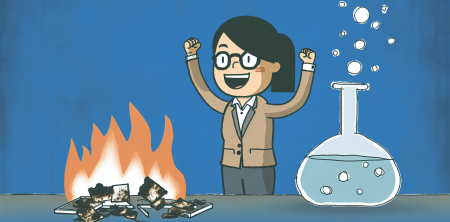
In a world where success is often celebrated and failure is stigmatized, Elon Musk, the renowned entrepreneur and innovator, offers a refreshing perspective that can greatly benefit our children. He states, “Failure is an option here. If things are not failing, you are not innovating enough.” This quote encapsulates a vital lesson for young minds: that failure should be embraced as a crucial part of the learning and innovation process.
The Importance of Redefining Failure
For many parents, the instinct is to shield their children from mistakes and setbacks. However, this protective approach can inadvertently foster a fear of failure, stifling creativity and innovation. Musk's perspective encourages us to rethink this narrative. Instead of viewing failure as a negative outcome, we should see it as a stepping stone toward growth and success.
Failure as a Tool for Learning
When children encounter obstacles, their response can shape their future attitudes toward challenges. By teaching them that failure is not the end, but rather a part of the journey, we can empower them to take risks and explore new ideas. This mindset is essential in a rapidly changing world where innovation is key to success.
- Encouraging Experimentation: Allow children to experiment without fear. Whether it’s in science projects, art, or sports, letting them know that mistakes are part of the process can inspire them to try new things.
- Building Resilience: Each failure can help children develop resilience. Learning to cope with disappointment and bounce back can provide them with invaluable life skills.
- Fostering Critical Thinking: When children analyze their failures, they learn to think critically about what went wrong and how they can improve in the future.
Teaching Kids to Innovate
Innovation is often born from a desire to improve upon existing ideas or to create something entirely new. By instilling a sense of curiosity and a willingness to learn from failures, parents can nurture the next generation of innovators. Here are some practical ways to incorporate Musk's philosophy into your parenting:
1. Celebrate Efforts, Not Just Outcomes
Shift the focus from success to effort. When your child tries something challenging, regardless of the outcome, celebrate their determination to take on the task. This can help them understand the value of hard work and perseverance.
2. Share Stories of Famous Failures
Introduce your children to stories of well-known figures who faced failures before achieving success. Figures like Thomas Edison, who famously stated, “I have not failed. I've just found 10,000 ways that won't work,” can serve as powerful examples. These stories can illustrate that failure is often a precursor to groundbreaking achievements.
3. Create a Safe Space for Mistakes
Encourage an environment at home where mistakes are not met with criticism but with understanding. Discuss what went wrong and how the situation can be approached differently next time. This practice can develop a growth mindset in children, where they see challenges as opportunities.
Reframing Errors as Progress Indicators
As children navigate their education and interests, they will inevitably face setbacks. By reframing these errors as indicators of progress, parents can help children recognize that each mistake is a valuable lesson. This perspective aligns well with Musk's view that innovation requires a willingness to fail.
Encouraging Reflection
After a failure or setback, encourage your child to reflect on their experience. Ask questions like:
- What did you learn from this experience?
- What can you do differently next time?
- How can this failure make you better at what you do?
Such reflections can lead to deeper understanding and growth, equipping children with the tools they need to tackle future challenges.
Conclusion: Fostering a Culture of Innovation
Elon Musk’s quote serves as a powerful reminder that failure is not something to be feared, but rather embraced as a necessary part of the innovation process. As parents, we have the opportunity to reshape our children's perceptions of failure, encouraging them to take risks, learn from their experiences, and cultivate resilience. By fostering a culture of innovation and learning, we can help our children become the problem solvers and leaders of tomorrow. Let us teach them to see failure not as a setback, but as a stepping stone towards greatness.

