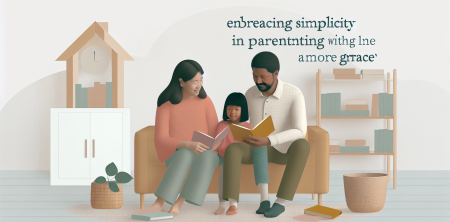
In today’s fast-paced world, the pressures of modern parenting can feel overwhelming. With the constant influx of information, societal expectations, and the myriad of activities vying for our children's attention, many parents find themselves questioning the very essence of raising their children. Graham Joseph Hill’s recent article on Simplicity Parenting addresses this concern, providing a refreshing perspective on how to cultivate a nurturing environment that prioritizes emotional and spiritual well-being. Hill emphasizes the importance of reducing complexity and stress within family life to foster a more peaceful and intentional upbringing for our children.
The Essence of Simplicity Parenting
Simplicity Parenting is rooted in the idea that children benefit from a less cluttered, more focused life. Hill argues that by minimizing distractions and reducing the noise in our children’s lives, parents can help them develop a stronger sense of identity, emotional resilience, and creativity. Rather than overwhelming children with endless choices and commitments, simplicity parenting encourages families to prioritize experiences that nurture relationships and well-being.
Understanding the Need for Simplicity
In his article, Hill highlights the societal shifts that have contributed to the complexities of parenting today. The rise of technology, consumerism, and an ever-increasing pace of life have created an environment where children are often overstimulated and parents feel pressured to keep up. This can lead to a sense of chaos in the home, where noise and distractions drown out meaningful interactions.
Research supports the notion that children thrive in environments that promote stability and predictability. A study published in the American Journal of Family Therapy found that children exposed to high levels of stress and chaos are more likely to develop behavioral issues and emotional difficulties. This underscores the importance of creating a calm and nurturing space for children to grow and thrive.
Creating a Peaceful Home Environment
Hill offers practical strategies for parents looking to simplify their family life. By focusing on the home environment, families can cultivate a sense of peace and intentionality that benefits everyone.
Decluttering Physical Space
One of the first steps in simplifying parenting is to declutter the physical space within the home. Hill suggests that parents assess their children’s belongings and remove items that do not serve a meaningful purpose. This can include toys, clothing, and even furniture.
- Assess Usage: Evaluate which toys and items your children actively use and enjoy.
- Limit New Purchases: Before bringing new items into the home, consider whether they will add value or simply contribute to clutter.
- Involve Children: Engage your children in the decluttering process to teach them the values of simplicity and mindfulness.
Reducing Screen Time
Another critical aspect of simplicity parenting is managing screen time. Hill notes that excessive screen exposure can lead to increased anxiety and decreased attention spans in children. To combat this, parents can set clear boundaries around technology use, encouraging children to engage in more meaningful activities.
- Establish Tech-Free Zones: Create areas in the home where technology is not allowed, such as the dining room or bedrooms.
- Promote Outdoor Play: Encourage children to spend time outdoors, engaging with nature and fostering creativity.
- Model Healthy Behaviors: As parents, it’s essential to lead by example by managing your screen time effectively.
Intentional Family Time
Hill emphasizes the importance of prioritizing family time over busy schedules. Rather than filling calendars with activities, families should focus on spending quality time together. This can include family dinners, game nights, or simply enjoying quiet moments together.
- Establish Rituals: Create family rituals that everyone can look forward to, such as a weekly movie night or monthly outings.
- Encourage Open Communication: Foster an environment where family members feel safe expressing their thoughts and feelings.
- Limit Extracurricular Activities: Be selective about the activities your children participate in, ensuring they are genuinely enriching rather than overwhelming.
Emotional and Spiritual Well-Being
Beyond creating a peaceful physical environment, Hill advocates for nurturing children’s emotional and spiritual well-being as a cornerstone of simplicity parenting.
Fostering Emotional Intelligence
Emotional intelligence is crucial for children to navigate the complexities of life. Hill encourages parents to engage with their children on an emotional level, helping them recognize and label their feelings. This can involve:
- Modeling Vulnerability: Share your own feelings and experiences with your children, demonstrating that it’s okay to express emotions.
- Encouraging Reflection: Ask your children how they feel about specific situations and encourage them to articulate their thoughts.
- Practicing Empathy: Teach children to consider the feelings of others, fostering compassion and understanding.
Spiritual Practices for Families
Spirituality can play a significant role in providing children with a sense of purpose and connection. Hill suggests incorporating simple spiritual practices into daily life, such as:
- Mindfulness and Meditation: Introduce mindfulness exercises or meditation sessions as a family to promote calmness and presence.
- Gratitude Practices: Encourage children to express gratitude regularly, fostering a positive mindset.
- Nature Connection: Spend time in nature, allowing children to experience the beauty of the world and develop a sense of wonder.
Encouraging Creativity and Imagination
In addition to emotional and spiritual well-being, Hill emphasizes the importance of fostering creativity and imagination in children. In a world filled with structured activities, it’s vital to provide children with unstructured time to explore their interests.
Creating Space for Imagination
Parents can encourage creativity by creating spaces in the home that inspire imagination. This can include:
- Art Stations: Designate a corner of the home for art supplies and creative projects.
- Reading Nooks: Create cozy reading spaces stocked with a variety of books that cater to different interests.
- Outdoor Exploration Areas: Set up areas in the yard or nearby parks where children can engage with nature and explore freely.
Encouraging Free Play
Hill argues that free play is essential for children’s development. It allows them to explore their interests, develop problem-solving skills, and engage in social interactions. Parents can promote free play by:
- Limiting Supervision: Allow children to play independently, stepping back to let them navigate their experiences.
- Providing Open-Ended Materials: Offer materials that can be used in multiple ways, such as blocks, art supplies, and natural materials.
- Encouraging Collaboration: Invite friends over for playdates, fostering teamwork and social skills.
Conclusion: The Journey to Simplicity
Graham Joseph Hill’s insights on simplicity parenting offer a valuable framework for families seeking to navigate the complexities of modern life. By embracing simplicity, parents can create nurturing environments that prioritize emotional and spiritual well-being while fostering creativity and imagination in their children.
As parents embark on this journey, it’s essential to remember that simplicity does not equal deprivation. Instead, it is about intentionally choosing what adds value to family life and letting go of what detracts from it. By reducing noise, stress, and clutter, families can cultivate a more peaceful and graceful parenting experience, ultimately nurturing well-rounded and resilient children.
In a world that often encourages busyness and complexity, simplicity parenting serves as a reminder of the profound impact that a calm and intentional approach can have on the family dynamic. As we embrace these principles, we can create spaces where our children can thrive, explore, and grow into their fullest selves.

