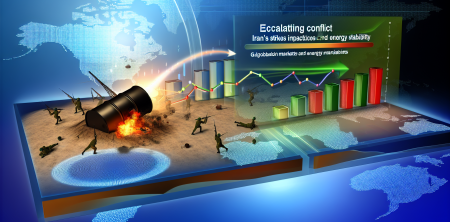
The ongoing conflict in West Asia has entered its 14th day, marked by a dramatic escalation that has sent shockwaves through financial markets and raised fears about a global energy crisis. As tensions continue to rise, recent developments reveal a troubling trajectory for economies reliant on stability in this volatile region.
Iran's Aggressive Moves
In a significant escalation of hostilities, Iran has launched strikes targeting Dubai's financial hub and a U.S. military base in Turkey. These attacks not only underline Iran’s military resolve but also highlight the geopolitical implications of the conflict, which is rapidly spiraling into a broader confrontation.
Impact on Dubai's Financial Sector
The strikes on Dubai, often regarded as the financial epicenter of the Middle East, have raised alarms among investors and economic analysts. The UAE’s economy, heavily reliant on trade and tourism, faces a precarious future as these developments threaten to disrupt its financial stability. The attack has caused significant disruptions in business operations, resulting in increased uncertainty among investors.
Indian Markets React
The repercussions of the conflict have reverberated across the globe, with Indian stock markets suffering a notable crash. The Sensex and Nifty have both experienced sharp declines, reflecting investor anxiety over the escalating conflict and its potential impact on the economy. Analysts suggest that this downturn is largely due to fears surrounding rising energy prices and the broader implications of the ongoing war.
Factors Contributing to Market Instability
- Rising Oil Prices: The conflict is expected to lead to increased oil prices, which could have a cascading effect on various sectors, including transportation and manufacturing.
- Investor Sentiment: A general atmosphere of uncertainty has led to a decline in consumer confidence, affecting spending and investment decisions.
- Global Trade Disruptions: With critical shipping routes in the region under threat, global trade could be significantly impacted, leading to supply chain disruptions.
Energy Crisis Looms
The conflict's impact on global energy markets cannot be overstated. With oil prices already experiencing volatility, the potential for an energy crisis looms large. Countries reliant on energy imports, particularly those in Asia, are facing increased costs, which could exacerbate inflationary pressures.
India's Energy Concerns
India, as one of the largest consumers of oil, is particularly vulnerable to these developments. The country is already grappling with high inflation rates, and rising energy prices could further strain its economy. Experts warn that prolonged conflict in the region may lead to a significant increase in energy costs, impacting both consumers and businesses.
International Reactions and Future Implications
The international community is closely monitoring the situation, with calls for de-escalation growing louder. Diplomats are urging both Iran and its adversaries to engage in dialogue to prevent further escalation. However, with each passing day, the prospects for peace appear increasingly bleak.
Possible Scenarios
- Continued Escalation: If hostilities continue, we could see further military engagements, exacerbating the humanitarian crisis and destabilizing the region.
- Economic Fallout: Prolonged conflict may lead to a global economic downturn, with countries like India facing significant challenges related to energy security and inflation.
- Geopolitical Shifts: The conflict could alter alliances and trade relations in the region, potentially leading to a reconfiguration of power dynamics in West Asia.
Conclusion
The 14th day of conflict in West Asia has underscored the fragile state of global markets and the dire implications of escalating tensions. With Iran's recent strikes impacting key economic hubs and Indian markets crashing, the prospect of an energy crisis looms large. As the situation develops, stakeholders across the globe are left grappling with the uncertainties and potential fallout of an increasingly unstable geopolitical landscape.

