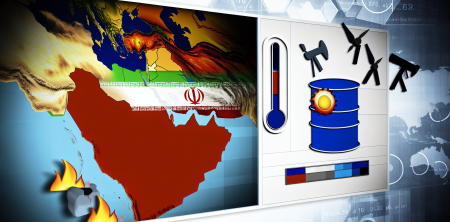
In a significant escalation of hostilities, Iran has launched strikes on Gulf states just one day after the United States threatened to target Iranian oil assets. This surge in military actions underscores a precarious situation in the region, exacerbated by ongoing U.S.-Israeli operations against Iran, including recent bombings of military installations on Kharg Island.
Background of Increased Hostility
The latest strikes from Iran come as a direct response to heightened tensions following U.S. threats aimed at crippling Iranian oil exports. The Iranian government perceives these threats as a direct attack on its economic lifeline, prompting retaliatory actions.
On March 15, 2026, the U.S. administration indicated that it was prepared to take further measures against Iran's oil facilities, a move that has drawn sharp criticism and warnings from Iranian officials. Many analysts believe that the U.S. is attempting to leverage its economic power to diminish Iran's influence in the region, particularly as it seeks to bolster its alliances with Gulf states.
The Impact on Gulf States
The ramifications of Iran's military actions are being felt across the Gulf region. The United Arab Emirates (UAE) Minister of Foreign Affairs, Sheikh Abdullah bin Zayed Al Nahyan, expressed grave concerns regarding the ongoing conflict. He stated that Iran must not be allowed to hold the global economy hostage, emphasizing the potential risks to oil supplies and international markets.
Sheikh Abdullah's comments reflect a growing anxiety among Gulf nations, which rely heavily on stable oil exports for their economic stability. With the region being one of the world's most significant oil producers, any disruption in production or shipping can have far-reaching effects on global oil prices and supply chains.
Military Actions and Their Implications
The Iranian strikes have targeted various locations, with reports indicating that military sites critical to U.S. interests in the region were primary objectives. This includes facilities that support American operations in Iraq and Syria, as well as bases housing U.S. forces.
In retaliation, the U.S. has indicated that it will enhance its military presence in the Gulf, deploying additional naval assets to deter further Iranian aggression. U.S. officials have underscored their commitment to protecting their allies in the region, a sentiment echoed by Israeli leadership following their own recent military actions against Iranian sites.
International Reactions
The international community has reacted with concern to the escalating conflict. European nations, in particular, are wary of the potential for a broader military confrontation that could disrupt global oil supplies. The European Union has called for de-escalation and dialogue, urging both Iran and the U.S. to exercise restraint.
Additionally, countries like China and Russia, which have maintained favorable relationships with Iran, have criticized U.S. actions, labeling them as provocative. This geopolitical divide is further complicating the situation and may hinder efforts to achieve a peaceful resolution.
Economic Consequences
As tensions rise, so do fears regarding the economic implications of a protracted conflict. Analysts warn that sustained military actions could lead to significant disruptions in oil markets. The Gulf states, responsible for approximately 30% of the world's crude oil supply, are crucial to global energy security.
- Potential for Price Surge: With fears of supply disruptions, oil prices could skyrocket, affecting economies worldwide.
- Investor Uncertainty: Heightened geopolitical risks may deter foreign investments in the region, impacting economic growth.
- Supply Chain Disruptions: Any military conflict could hinder shipping routes through the Strait of Hormuz, a critical chokepoint for oil transportation.
The Path Forward
As the situation continues to unfold, the prospect of diplomacy appears dim. Both the U.S. and Iran have entrenched positions, making negotiations challenging. However, analysts suggest that continued dialogue may be the only viable path to de-escalation.
In the coming weeks, the world will be watching closely as the situation develops. The stakes are high, not only for the countries involved but for the global economy as a whole. The international community must seek to mediate tensions to prevent a conflict that could have catastrophic implications for millions.
The unfolding events in the Gulf highlight the fragile balance of power in the region and the potential for military actions to spiral out of control. As both sides prepare for further confrontation, the hope for a peaceful resolution hangs in the balance.

