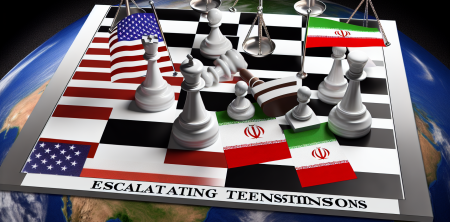
Overnight developments on March 16, 2026, have raised alarm bells in both international relations and U.S. domestic politics. A missile attack from Iran using cluster bombs has left four individuals wounded in central Israel, while political maneuvering in Washington is blocking significant legislative progress. These events underscore the volatile nature of global and national stability.
Iran's Missile Attack: A New Level of Aggression
In a concerning escalation of hostilities, Iran launched a missile attack on central Israel using cluster bombs, injuring four people, including a man in his 60s who suffered moderate injuries in Bnei Brak. This incident marks a significant heightening of tensions in the region, as Israel has long been on alert for Iranian aggression.
The use of cluster bombs, which are highly controversial due to their indiscriminate nature and potential for civilian casualties, raises serious questions about Iran's military strategy and its implications for regional security. International humanitarian laws prohibit the use of such weapons in populated areas, and this attack has drawn widespread condemnation from various governments and human rights organizations.
Victims of the Attack
- Four individuals were reported injured, with one man in his 60s receiving moderate injuries in Bnei Brak.
- The attack has heightened fears of a broader conflict in the region, as tensions between Israel and Iran continue to simmer.
Political Gridlock in the U.S.: Legislative Impasses
Simultaneously, the political landscape in the United States is experiencing its own turmoil. Key legislative initiatives aimed at addressing pressing issues are facing significant blockades. Prominent Senators, including Ed Markey, Chuck Schumer, Maria Cantwell, and Ben Ray Luján, have expressed frustration over the inability to advance critical bills, which could have far-reaching implications for the American public.
The gridlock stems predominantly from partisan divisions that have paralyzed Congress, leaving many crucial topics unaddressed. Issues such as healthcare reform, climate change initiatives, and economic relief continue to linger in limbo, with no clear path forward.
Impact on American Society
- Healthcare reform remains a pressing issue, with millions of Americans awaiting changes that could lower costs and improve access.
- Climate change initiatives are critical as scientific consensus grows regarding the urgent need for action.
- Economic relief measures are crucial as the nation grapples with inflation and economic uncertainty.
Iran's Information Warfare: AI-Generated Misinformation
In addition to military aggression, Iran is also leveraging technology to manipulate public perception. Reports indicate that the Iranian government has employed AI-generated fake news to propagate false narratives, including images of phony kamikaze boats and burning U.S. ships, such as the USS Abraham Lincoln. This form of information warfare aims to bolster Iran's domestic credibility while undermining U.S. influence in the region.
The spread of misinformation poses a significant challenge for global media, as it blurs the lines between reality and fabricated narratives. The use of advanced technology to create convincing yet entirely fictitious stories raises concerns about the impact on public opinion and the potential for increased tensions in an already volatile environment.
The Role of Media in Conflict
- The media plays a critical role in shaping narratives during conflicts; accurate reporting is essential.
- Challenges arise as misinformation can skew public perception and influence political decisions.
Conclusion: A Call for Vigilance
The events of March 16, 2026, serve as a stark reminder of the intricate interplay between military actions and political maneuvers on both international and domestic fronts. As Iran escalates its aggressive posturing with missile attacks and misinformation campaigns, the global community must remain vigilant. Concurrently, the U.S. must address its political gridlock to ensure that pressing issues are not left unaddressed.
Moving forward, it is essential for both nations and their leaders to engage in constructive dialogue to de-escalate tensions and foster peace. The world watches closely as these developments unfold, highlighting the need for diplomacy in an increasingly complex geopolitical landscape.

