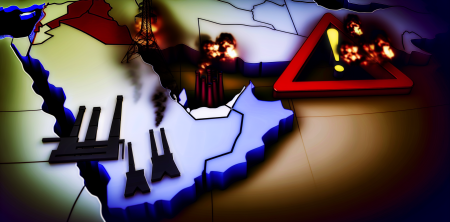
The geopolitical landscape in the Middle East is becoming increasingly volatile as U.S. President Donald Trump issued a stark warning regarding Iran's actions in the Strait of Hormuz. Following a series of incidents that have led to a de facto closure of this crucial maritime passage, Trump has threatened to target Iran's power plants if the situation does not resolve swiftly.
Background on the Strait of Hormuz
The Strait of Hormuz is a strategically significant waterway that connects the Persian Gulf to the Gulf of Oman. It serves as a vital route for approximately one-fifth of the world's oil supply, making it a focal point for international trade and security. Recent tensions have been exacerbated by attacks on commercial vessels and infrastructure, which many nations, including over 20 countries, have condemned.
Trump's Response to the Crisis
In a press statement following the escalation of hostilities, President Trump emphasized the importance of ensuring that the Strait of Hormuz remains open for commercial traffic. He stated, "If they don’t open it up to shipping, we will take action against their power plants." This declaration marks a significant escalation in rhetoric, as the U.S. has previously urged diplomatic solutions rather than military intervention.
Recent Incidents Fueling Tensions
The warning comes on the heels of increased military activity in the region, following a series of attacks on oil tankers and other commercial vessels attributed to Iranian forces. These incidents have raised fears of a broader conflict, as Iran continues to assert its influence over the Persian Gulf. The situation has been further complicated by Iran's previously established military presence in the region and its ongoing disputes with Western nations.
Global Economic Implications
The rising tensions in the Strait of Hormuz have immediate ramifications beyond military strategy. Fuel prices have begun to rise globally as markets react to the instability in the Middle East. This surge in fuel costs has a ripple effect, particularly in regions that are heavily reliant on fishing and maritime industries.
Impact on the Philippine Fishing Community
One of the most affected groups is the fishing community in the Philippines, where approximately 15,000 fisherfolk depend on affordable fuel to sustain their livelihoods. As prices escalate, the financial strain on these families grows, threatening their ability to operate and maintain their businesses. The Philippine government has expressed concerns about these rising costs and their implications for food security, as fishing is a vital source of income and nutrition for many households.
International Reactions to U.S. Threats
The international community's response to Trump's threats has been mixed. While some nations support the U.S. stance on ensuring maritime security, others criticize the potential for military actions that could exacerbate tensions. The European Union, for example, has called for de-escalation and dialogue, advocating for diplomatic efforts to resolve the ongoing crisis.
Calls for Diplomacy
Experts warn that military strikes could lead to catastrophic outcomes, not only for U.S.-Iran relations but for the entire region. Potential military actions could provoke retaliatory strikes from Iran, further destabilizing the Middle East and potentially disrupting global oil supplies.
Looking Ahead: Future of U.S.-Iran Relations
The situation remains fluid, and the future of U.S.-Iran relations is uncertain. The Trump administration's aggressive rhetoric has drawn criticism from various quarters, with calls for a more measured approach that emphasizes negotiation over confrontation. As both sides navigate this complex geopolitical landscape, the possibility of conflict remains a real concern.
Conclusion
The threat of military action against Iran's power plants raises significant questions about the stability of the Middle East and the global economy. With rising fuel prices impacting vulnerable communities like the fishing sector in the Philippines, the stakes are high. As the world watches closely, the hope remains that diplomacy can prevail over military action, allowing for a resolution that prioritizes peace and security in this critical region.

