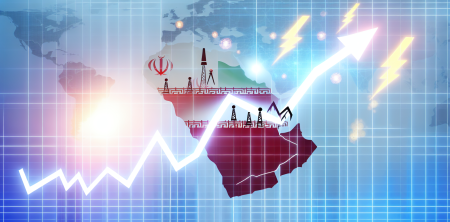
In a significant escalation of regional tensions, Iran launched missile strikes on Qatar's Ras Laffan Industrial City energy hub and targeted Saudi Arabia with ballistic missiles on March 18, 2026. This aggressive military action marks a pivotal moment in the ongoing conflict related to the US-Israeli alliance and its implications for global energy markets.
Missile Strikes on Qatar's Energy Infrastructure
The missile attacks on Ras Laffan, one of the world's largest liquefied natural gas (LNG) production facilities, were confirmed by QatarEnergy, which reported extensive damage to the site. Ras Laffan is crucial not only to Qatar's economy but also to the global energy supply chain, particularly in the context of rising energy demands worldwide.
Ballistic Missiles Target Saudi Arabia
In a simultaneous show of force, Iran fired several ballistic missiles aimed at Saudi Arabia's capital, Riyadh. The Saudi defense systems successfully intercepted four of these missiles, preventing potential catastrophic damage to civilian infrastructure. However, Iranian forces also launched a drone attack targeting an eastern gas facility in Saudi Arabia, raising alarms over the security of oil and gas assets in the region.
The Global Implications of the Escalation
The attacks have sent shockwaves through the global energy market, resulting in a dramatic spike in oil prices. Analysts predict that the ongoing conflict and the potential for further military actions could lead to serious disruptions in oil supply, exacerbating existing inflationary pressures on the world economy.
As tensions escalate, the stakes for US President Donald Trump increase significantly. The Biden administration's foreign policy in the Middle East has been under scrutiny, and this latest development complicates efforts to stabilize the region. The Iranian regime has vowed to continue its attacks on Gulf oil and gas targets, further threatening the stability of energy supplies.
Vietnam and China Respond to Energy Concerns
In light of the escalating conflict and the looming threat of global energy shortages, both Vietnam and China have taken preemptive measures by restricting fuel exports until the end of the month. These actions underscore the widespread recognition of the situation's gravity and the potential for a ripple effect on economies dependent on stable energy supplies.
The Broader Context of Iran's Actions
Iran's recent military actions cannot be viewed in isolation. They are part of a larger geopolitical struggle in the Middle East, where power dynamics are constantly shifting. The Iranian government, facing internal pressures and external sanctions, has increasingly adopted a confrontational stance towards its regional adversaries, particularly Saudi Arabia and the United States.
Tehran has long viewed the US-Israeli alliance as a direct threat to its sovereignty and interests in the region. The ongoing conflict in Syria, the rise of militant groups, and the US's withdrawal from the Joint Comprehensive Plan of Action (JCPOA) have further strained relations and heightened tensions.
Looking Ahead: Prospects for Peace
As the situation develops, the international community watches closely, with calls for restraint being echoed from multiple quarters. The potential for retaliatory actions by Saudi Arabia or other regional players looms large, raising concerns about a broader military conflict that could engulf the Gulf region.
For now, the world must grapple with the immediate consequences: soaring oil prices, increasing energy insecurity, and the specter of war. The situation remains fluid, with diplomatic efforts urgently needed to de-escalate tensions and prevent a potentially catastrophic confrontation.
Conclusion
The missile strikes on Qatar and Saudi Arabia represent a dangerous escalation in the ongoing conflict in the Middle East. With Iran's commitment to targeting Gulf energy assets and the responses from regional powers and the global community, the stakes have never been higher. As the world holds its breath, the hope for diplomatic solutions becomes increasingly critical in averting a deeper crisis.

