Introduction
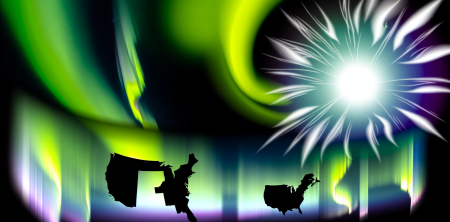
As the celestial dance of solar winds intertwines with Earth’s magnetic field, a rare opportunity to witness the ethereal beauty of the Aurora Borealis is on the horizon. This evening, between April 29 and April 30, 2026, ten states across the United States could experience a magnificent display of the Northern Lights. Driven by high-speed solar winds, this natural phenomenon is a result of increased geomagnetic activity that is expected to peak tonight, offering skywatchers a moment they won't want to miss.
The Science Behind the Aurora Borealis
The Aurora Borealis, or Northern Lights, is a stunning natural light display that occurs in the polar regions. It is caused by the interaction of charged particles from the sun with the Earth's magnetic field and atmosphere. When these solar particles collide with gases in the Earth’s atmosphere, they create bursts of light that appear as shimmering curtains, arcs, or spirals, depending on the level of solar activity.
Understanding Solar Winds
Solar winds are streams of charged particles released from the upper atmosphere of the sun, known as the corona. These winds can vary significantly in speed and density. When solar activity is heightened, such as during solar flares or coronal mass ejections, the intensity and speed of these winds increase, leading to more pronounced auroras.
Forecasting Aurora Activity
The prediction of auroral activity relies on space weather forecasting, which assesses solar wind conditions and geomagnetic storms. Tonight, scientists have indicated a transition from calm to unsettled and subsequently to active conditions, making this a prime time for aurora visibility.
Where to See the Aurora Tonight
According to recent forecasts, the following ten states are likely to witness the Northern Lights tonight:
- Montana
- North Dakota
- South Dakota
- Wyoming
- Minnesota
- Wisconsin
- Michigan
- Vermont
- New Hampshire
- Maine
These states, especially those located further north, are positioned favorably to experience the aurora’s glow, particularly if the geomagnetic storm reaches levels that allow for visibility in lower latitudes.
Optimal Viewing Conditions
For those eager to witness this spectacular display, understanding when and where to look is crucial. Here are some tips for optimal viewing:
- Timing: The best time to view the Northern Lights is typically between 10 PM and 2 AM, during peak geomagnetic activity.
- Location: Find a dark area away from city lights for the clearest view. National parks and rural areas are ideal.
- Weather Conditions: Clear skies are essential. Check local weather forecasts to ensure there are no clouds obstructing the view.
- Aurora Forecasts: Utilize apps or websites that provide real-time aurora forecasts to increase your chances of witnessing the lights.
Avoiding Common Mistakes While Viewing
While the excitement of seeing the Northern Lights can lead to some eager but misguided decisions, being aware of common mistakes can enhance your experience:
- Don’t Rush: Arriving too late or too early can lead to missed opportunities. Make sure to arrive at your chosen location well in advance.
- Avoid Distractions: Keep your phone and other screens off to allow your eyes to adjust to the darkness. This enhances your ability to see the aurora.
- Dress Appropriately: The temperatures in many of the viewing states can drop significantly at night. Dress in layers to stay warm and comfortable.
- Bring the Right Equipment: A good camera with a tripod can help capture the beauty of the aurora. Familiarize yourself with long exposure settings for the best photographs.
Conclusion
The chance to see the Northern Lights is a rare and unforgettable experience. With the right preparation, timing, and location, tonight could be the night that many will remember for years to come. As solar winds continue to spike, take advantage of this opportunity to connect with nature and witness one of the most beautiful displays our planet has to offer. Whether you are an experienced aurora chaser or a curious onlooker, the sky is set to ignite with colors that will leave a lasting impression.
Final Thoughts
As we look to the skies this evening, let us embrace the wonder of the universe. The Northern Lights serve as a reminder of the beauty of our planet and the cosmic forces at play. Prepare yourself for an evening of awe and inspiration, and hopefully, the stunning sight of the Aurora Borealis will illuminate your night.

