```json
{
"title": "The Quiet Overhaul: Will New Bank Insider Lending Rules Spark a Financial Firestorm?",
"content": "
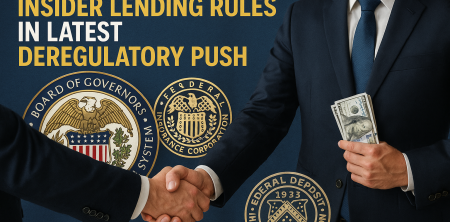
You might not have noticed it amidst the daily headlines, but federal financial regulators are quietly, yet significantly, rewriting some of the fundamental rules that govern how banks operate. Specifically, the Federal Reserve Board and the Federal Deposit Insurance Corporation (FDIC) have put forth proposals that could dramatically alter the landscape of how much credit banks can extend to their own insiders – think executives, board members, and major shareholders. This isn't just some arcane tweak to obscure regulations; it's a profound shift, the first of its kind in almost half a century, and it’s happening as part of a broader deregulatory wave slated for 2026.
\n\n
For decades, the system has operated under a set of fairly strict guidelines designed to prevent potential abuses and conflicts of interest. The idea was simple: those on the inside shouldn't get preferential treatment when it comes to borrowing from the institution they oversee. But now, regulators are arguing that these rules are outdated, cumbersome, and perhaps even stifling economic growth, particularly for smaller financial institutions. So, what exactly is on the table, and why should you, whether you're an investor, a small business owner, or just a curious citizen, pay close attention to these proposed changes to bank insider lending rules?
\n\n
This isn't an isolated incident. We've already seen capital requirements for community banks loosened, and the FDIC, alongside the Office of the Comptroller of the Currency (OCC), is also looking to revamp Community Reinvestment Act (CRA) regulations. The overarching goal, according to the regulators, is to reduce compliance burdens, especially for smaller players, and to boost lending activities across the board. But as with any major regulatory overhaul, there's a delicate balance to strike between fostering growth and protecting consumers and the financial system from undue risk. Let's dig into the specifics of these proposed changes and consider their potential ripple effects.
\n\n
The Historical Context of Bank Insider Lending Rules: A Necessary Safeguard?
\n\n
To truly grasp the significance of these proposed changes, you have to understand the history behind the original bank insider lending rules. The foundational principles were laid down after periods of financial instability and, frankly, outright malfeasance. There's a long and checkered past of bank executives and major shareholders using their privileged positions to secure loans on terms far more favorable than those available to the average customer. This could mean lower interest rates, less stringent collateral requirements, or even loans that were unlikely to ever be repaid, effectively siphoning funds from the bank for personal gain.
\n\n
Consider the Savings and Loan crisis of the 1980s, a period rife with examples of insider self-dealing that contributed to the collapse of hundreds of financial institutions. While not solely attributable to insider lending, the broader atmosphere of lax oversight and ethical lapses certainly highlighted the dangers. It was clear that without robust regulations, the temptation for those with power to exploit their position for personal financial benefit was simply too great. The rules, therefore, were designed as a bulwark against such abuses, ensuring that banks operated with integrity and that all borrowers, regardless of their connection to the institution, were treated equitably.
\n\n
These regulations served a dual purpose: they protected the bank's depositors by safeguarding its assets from risky or self-serving loans, and they maintained public trust in the financial system. When people believe that the system is rigged, or that those in charge are playing by a different set of rules, confidence erodes, which can have far-reaching consequences for economic stability. So, for nearly five decades, these rules have stood as a critical, if sometimes overlooked, pillar of financial oversight. Now, the argument is that what worked in the 1970s and 80s might not be perfectly suited for the complexities of today's financial markets.
\n\n
What's Changing: Modernizing Outdated Thresholds and Easing Restrictions
\n\n
The core of the proposed changes revolves around modernizing what regulators deem to be "outdated thresholds" for insider lending. Think about it: a dollar amount set in the 1970s simply doesn't have the same purchasing power or economic significance today. The argument is that these fixed limits, which haven't been substantially updated in decades, have become disproportionately burdensome for banks, particularly smaller ones, without necessarily adding proportionate protection.
\n\n
While the specifics of the new thresholds haven't been fully detailed, the intent is clear: to increase the amount of credit banks can extend to insiders before triggering stricter regulatory scrutiny or outright prohibitions. This could involve raising the maximum loan amounts, altering the criteria for what constitutes an "insider" for certain purposes, or simplifying the approval processes for these types of loans. The regulators contend that by adjusting these parameters, they can reduce compliance costs for banks, freeing up resources that can then be directed towards more productive lending activities within their communities. (See: FDIC press release on regulatory changes.)
\n\n
One key aspect of the proposals is the desire to differentiate between various types of insiders. A major shareholder with a significant ownership stake might be subject to different rules than, say, a non-executive board member who holds a largely advisory role. The current rules, some argue, paint with too broad a brush, treating all insiders with the same level of suspicion, even when the risk of abuse might be minimal. This nuanced approach, if implemented effectively, could indeed streamline operations without entirely abandoning the principle of preventing conflicts of interest. The challenge, of course, is in defining those nuances in a way that truly mitigates risk.
\n\n
The Deregulatory Push of 2026: A Broader Trend
\n\n
These proposed changes to bank insider lending rules aren't happening in a vacuum. They are part and parcel of a larger deregulatory movement that federal agencies are orchestrating for 2026. This isn't just about insider lending; it's a comprehensive reevaluation of numerous financial regulations that have been in place for years, if not decades. We've already witnessed moves to loosen capital requirements for community banks, a change often championed as a way to allow smaller institutions to deploy more capital into their local economies.
\n\n
Simultaneously, the FDIC and the OCC are actively pursuing revisions to the Community Reinvestment Act (CRA) regulations. The CRA, enacted in 1977, encourages banks to meet the credit needs of the communities in which they operate, including low- and moderate-income neighborhoods. The proposed CRA changes aim to reduce compliance burdens, particularly for smaller financial institutions, and to make it easier for them to demonstrate their commitment to community lending. The idea is to foster more robust lending in underserved areas by making the regulatory framework less cumbersome.
\n\n
When you connect these dots – eased capital requirements, revamped CRA rules, and now significant changes to insider lending – you see a clear pattern emerging. The regulators are expressing a strong belief that some existing regulations, while well-intentioned, have become overly prescriptive, creating unnecessary hurdles for banks without providing commensurate benefits in terms of safety and soundness. It's a calculated gamble that by reducing the regulatory load, banks will be better positioned to lend, innovate, and contribute more effectively to economic growth. The question, naturally, is whether this push for efficiency might inadvertently open doors to new risks.
\n\n
Balancing Act: Consumer Protection Versus Economic Growth
\n\n
Herein lies the core tension of this entire initiative: how do you balance the imperative of consumer protection and financial stability with the desire to foster economic growth? Advocates for deregulation often argue that excessive rules stifle innovation, increase costs for businesses, and ultimately make it harder for the economy to expand. They contend that a lighter regulatory touch can unleash entrepreneurial spirit and allow banks to operate more efficiently, passing those benefits on to consumers and businesses in the form of more accessible credit and better services.
\n\n
On the other hand, proponents of robust regulation point to history. They remind us that periods of significant deregulation have often preceded financial crises, where the lack of oversight allowed risky behaviors to proliferate unchecked. They argue that consumer protection isn't just about preventing outright fraud, but also about ensuring fair access to credit, transparent practices, and a level playing field for all participants in the financial system. Loosening bank insider lending rules, in particular, raises red flags for those concerned about potential conflicts of interest and the return of preferential treatment for those with connections.
\n\n
The debate is complex, with valid points on both sides. Regulators are trying to walk a tightrope, aiming to modernize rules without completely abandoning the safeguards. They suggest that the proposed changes will preserve the essential protections against preferential treatment, even as they update the quantitative thresholds. Whether they can achieve this delicate balance, truly fostering growth without inadvertently compromising the integrity of the financial system, remains to be seen. The devil, as always, will be in the details of the final rules.
\n\n
Implications for Investors, Bank Boards, and Businesses
\n\n
These changes, if implemented, will have substantial implications for a wide array of stakeholders. For investors, particularly those in community banks, the potential for increased lending activity and reduced compliance costs could translate into improved profitability and, consequently, higher stock valuations. A bank that can operate more efficiently and deploy more capital into profitable loans is generally a more attractive investment. However, investors will also need to carefully scrutinize how banks manage the increased flexibility in insider lending, as a return to risky practices could quickly erode confidence and value. (See: Federal Reserve press releases.)
\n\n
Bank board members will find themselves navigating a new regulatory landscape. While the intent is to reduce burdens, the responsibility for oversight will remain paramount. Boards will need to ensure that internal controls are robust enough to prevent abuses, even with relaxed external rules. The legal and ethical obligations to act in the best interest of the institution and its depositors will not diminish. In fact, with more flexibility comes a greater need for strong internal governance and clear ethical guidelines to avoid the perception, or reality, of self-dealing.
\n\n
For businesses, especially small and medium-sized enterprises (SMEs), the hope is that these changes, combined with the CRA reforms, will lead to greater access to credit. If banks can lend more freely and with fewer internal compliance hurdles, it could mean more capital flowing into local economies, supporting business expansion, job creation, and overall economic dynamism. However, businesses will also want to ensure that the credit market remains competitive and fair, and that they aren't inadvertently disadvantaged by a system that might offer easier terms to connected parties.
\n\n
Community Banks: The Primary Beneficiaries?
\n\n
It's clear that community banks are a significant focus of this deregulatory push. Regulators often argue that smaller institutions bear a disproportionate share of the compliance burden compared to their larger counterparts. A regulation that might be easily absorbed by a mega-bank with vast legal and compliance departments can be a significant drag on a community bank with limited resources. By easing regulations like capital requirements and the bank insider lending rules, the hope is to level the playing field somewhat.
\n\n
Community banks are vital to local economies. They often have a deeper understanding of local businesses and residents, providing personalized services and playing a critical role in small business lending and local development. The argument is that by reducing the red tape, these banks will have more capacity to serve their communities effectively, fostering localized economic growth. This could mean more loans for local entrepreneurs, more support for affordable housing initiatives, and a generally more responsive financial partner for local residents.
\n\n
However, even for community banks, the increased flexibility comes with increased responsibility. While the goal is to reduce burdens, it's not an invitation for reckless behavior. These institutions will still need strong internal governance, clear policies, and vigilant oversight to ensure that any insider lending is conducted on an arm's-length basis and at market rates, preserving the trust of their depositors and the stability of their operations. The intent is to empower them, not to diminish their accountability.
\n\n
The Public Debate: Concerns and Optimism
\n\n
As you might expect, these proposals aren't being met with universal acclaim. There's a robust public debate brewing, reflecting the deep divisions often seen in discussions about financial regulation. On one side, you have those who express optimism, viewing the changes as a necessary modernization that will unlock economic potential. They emphasize the benefits of reduced compliance costs, increased lending capacity, and a more agile financial sector. They believe that the current rules are relics of a bygone era, ill-suited to the complexities and speed of modern finance.
\n\n
Conversely, many consumer advocates, financial watchdog groups, and some policymakers are expressing serious concerns. Their worries center on the potential for increased risk, conflicts of interest, and a return to the kind of preferential treatment that led to financial instability in the past. They argue that while modernization is good, diluting essential safeguards could have long-term, detrimental consequences for the financial system and the public at large. They fear that the pursuit of efficiency might come at the cost of equity and stability. (See: New York Times on bank regulations.)
\n\n
This isn't a simple right or wrong issue; it's a nuanced policy challenge. The regulators have the difficult task of weighing these competing perspectives, analyzing the potential benefits against the potential risks, and ultimately crafting rules that serve the public interest. The public comment period will be crucial in shaping the final outcome, allowing various stakeholders to voice their opinions and provide data to support their arguments. It's a process that demands careful attention from anyone invested in the health of our financial system.
\n\n
What's Next: The Road Ahead for Regulatory Reform
\n\n
The proposals for overhauling bank insider lending rules are currently in the public comment phase, a critical step in the regulatory process. During this period, individuals, organizations, and interested parties can submit feedback, express concerns, or offer alternative suggestions. Regulators are legally obliged to review and consider these comments before finalizing any new rules. This means that while the direction of travel seems clear, the specific contours of the final regulations could still be influenced by public input.
\n\n
Following the comment period, the Federal Reserve Board and the FDIC will analyze the feedback, potentially making adjustments to their proposals. The final rules, once issued, will then have an effective date, at which point banks will be required to comply. Given the timeline for this broader deregulatory push, we can expect the finalization and implementation of these new insider lending rules to occur sometime in 2026.
\n\n
As these changes unfold, it will be imperative for bank executives, board members, compliance officers, and legal teams to stay abreast of the evolving landscape. Understanding the new thresholds, definitions, and compliance requirements will be crucial for maintaining regulatory adherence and avoiding potential penalties. Similarly, investors will want to monitor how banks adapt to these changes and whether the promised benefits of reduced burden and increased lending materialize without an undue increase in risk. The financial world is about to get a significant facelift, and everyone will need to adjust to the new reflection.
\n\n
These aren't just technical adjustments in some regulatory handbook; they represent a significant philosophical shift in how we oversee our financial institutions. The hope is for a more dynamic, less burdened banking sector that can better serve our communities. But the underlying tension between fostering growth and ensuring stability will persist, reminding us that even the most well-intentioned reforms can have unforeseen consequences. Keeping an eye on how these new rules play out in practice will be essential for understanding their true impact.
"
}
```
Trending Now
Frequently Asked Questions
What are the new bank insider lending rules?
The Federal Reserve and FDIC are proposing changes to bank insider lending rules, which would allow banks to extend more credit to their insiders, including executives and major shareholders. This marks a significant shift from the strict guidelines that have been in place for decades, aiming to reduce compliance burdens and encourage lending, especially for smaller financial institutions.
Why are regulators easing insider lending rules?
Regulators argue that the existing insider lending rules are outdated and hinder economic growth, particularly for smaller banks. By easing these regulations, they aim to foster lending activities and alleviate compliance burdens, allowing banks to better serve their communities and enhance economic development.
How will the changes affect small banks?
The proposed changes to insider lending rules are expected to benefit small banks by reducing compliance costs and allowing them to extend more credit to insiders. This could help stimulate lending activities and support local economies, aligning with the broader deregulatory push aimed at enhancing financial institution operations.
What is the significance of the proposed changes?
The proposed changes to bank insider lending rules represent a profound shift in regulatory policy, the first of its kind in nearly 50 years. This could reshape the lending landscape, allowing banks more flexibility in extending credit, which may lead to increased economic activity and growth in the financial sector.
What are the potential risks of easing insider lending regulations?
Easing insider lending regulations could introduce potential risks, such as conflicts of interest and abuse of power by insiders. Critics argue that without strict guidelines, there may be a greater likelihood of favoritism in lending practices, which could undermine the stability and integrity of financial institutions.
Agree or disagree? Drop a comment and tell us what you think.

