```html
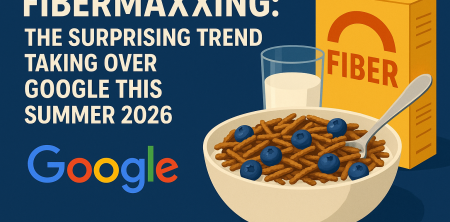
As we bask in the long, sunny days of summer 2026, one trend is making waves on Google that you might not have seen coming: fibermaxxing. This phenomenon, while rooted in lifestyle choices, has taken a fascinating turn by intertwining with technology and health consciousness. Searches for fibermaxxing have surged by 115% in just the last 90 days, reflecting a growing consumer interest in maximizing dietary fiber intake — and the tech tools available to help with that.
The Rise of Fibermaxxing
At its core, fibermaxxing is about enhancing your health through increased dietary fiber, a concept that's both simple and complex. As public awareness surrounding health declines rises, people are leaning into dietary modifications to stave off illnesses and promote longevity. This concern is more than just a trend; it's a response to the growing anxiety surrounding health issues that accompany an aging population and sedentary lifestyles.
What’s particularly intriguing is how technology has entered the conversation. AI-powered health tracking apps and smart dietary devices now play pivotal roles in guiding individuals on their fibermaxxing journeys. These tools not only track fiber intake but also analyze overall dietary patterns, enabling users to make informed health decisions.
Understanding the Tech Behind Fibermaxxing
As technology continues to evolve, so does its ability to assist with personal health. Several applications are designed specifically to track nutrient intake, including fiber, making the process of adhering to health goals more manageable than ever. The appeal of these tools lies in their ability to utilize AI algorithms, which optimize dietary recommendations based on user habits and preferences. (living to 250)
For instance, apps like MyFitnessPal and Lose It! have incorporated advanced AI features that allow users to scan barcodes on food packaging, monitor their daily fiber intake, and receive tailored recommendations. This seamless integration not only enhances user experience but also prompts increased engagement with one’s personal health journey.
The Social Media Buzz
One of the catalysts for the fibermaxxing trend has been its viral presence across social media platforms. With influencers and health enthusiasts sharing their fibermaxxing routines, the trend has gained traction, prompting more individuals to explore the benefits of increased fiber intake. The hashtag #Fibermaxxing has seen a remarkable rise in use, with countless posts showcasing recipes, personal experiences, and the results of their dietary changes.
Platforms like Instagram and TikTok are particularly vital in perpetuating these trends. Visual content and personal testimonials create an emotional connection, allowing followers to relate and feel compelled to participate. As a result, the community built around fibermaxxing is not only supportive but also informative, further driving Google trends summer 2026.
Health Benefits of Increasing Fiber Intake
So, why is everyone jumping on the fibermaxxing bandwagon? The health benefits of fiber are well-documented. Increased fiber intake can lead to improved digestion, enhanced heart health, and better blood sugar levels. In fact, some studies suggest that a high-fiber diet can reduce the risk of developing chronic diseases like diabetes and heart disease.
Moreover, fiber can help with weight management. Foods high in fiber tend to be more filling, which can lead to reduced calorie intake overall. By emphasizing fiber-rich foods, fibermaxxing encourages individuals to adopt a more balanced diet, contributing to healthier lifestyle choices.
Choosing the Right Fiber Sources
One aspect of fibermaxxing is learning which foods offer the highest fiber content. Not all fibers are created equal, and understanding the difference between soluble and insoluble fiber can guide choices. Soluble fiber, found in oats, beans, and fruits, dissolves in water and is known to help lower cholesterol and regulate blood sugar. Insoluble fiber, present in whole grains and vegetables, helps with digestion and prevents constipation.
- Fruits: Berries, apples, bananas, and oranges are great sources of fiber.
- Vegetables: Broccoli, carrots, artichokes, and Brussels sprouts pack a fiber punch.
- Legumes: Lentils, chickpeas, and black beans are not only high in fiber but also protein.
- Whole Grains: Opt for whole grain bread, oats, quinoa, and brown rice.
- Nuts and Seeds: Almonds, flaxseeds, and chia seeds provide healthy fats along with fiber.
By diversifying your fiber sources, you can ensure a well-rounded diet that supports your health goals while enjoying a variety of flavors and meals. (See: Dietary fiber and health.)
The Emotional Side of Health Trends
There's no denying that the emotional component of health trends plays a significant role. In today's fast-paced world, many people are increasingly anxious about their health. This fear can drive individuals to seek out the latest dietary trends, hoping for quick results. Fibermaxxing, in particular, resonates with its promise of a simple, natural way to enhance health and well-being.
Moreover, social media amplifies this emotional connection. People share not just their successes but also struggles, fostering a sense of community. This camaraderie can encourage adherence to dietary changes, as individuals find motivation in each other's journeys.
The Future of Fibermaxxing and Technology
As we look to the future, the intersection of technology and health will likely continue to evolve, impacting trends like fibermaxxing in significant ways. With advancements in AI and data analytics, we can expect even more personalized health solutions that cater to individual needs. Imagine a world where your dietary suggestions are not only tailored to your preferences but also to your unique biological makeup, all thanks to sophisticated tracking technologies.
Moreover, wearables are becoming increasingly popular. Devices like smartwatches can track physical activity, heart rate, and even sleep patterns, providing a comprehensive view of health. When coupled with dietary tracking apps, users gain deeper insights into how their diet affects their overall wellness.
The Importance of Education in Health Trends
As with any trend, education plays a critical role in ensuring individuals are not only aware of what is trending but also understand the underlying principles that govern those trends. Fibermaxxing is an excellent example; while it presents an appealing concept, individuals should be educated about fiber's role in health and how to incorporate it effectively into their diets.
Informed consumers are empowered consumers. They can differentiate between fads and sustainable health practices, making choices that genuinely benefit their well-being. As fibermaxxing captures attention, education surrounding it will be essential in promoting healthy habits that last beyond summer 2026.
Actionable Tips for Incorporating Fibermaxxing into Your Life
Want to join the fibermaxxing movement? Here are some practical ways to boost your fiber intake while utilizing technology:
- Track Your Intake: Use an app to log your meals and monitor your fiber consumption. This helps you stay accountable and see where you can improve.
- Set Goals: Determine a reasonable fiber intake target based on your personal health needs. The daily recommended intake for adults is 25 grams for women and 38 grams for men.
- Experiment with Recipes: Try new fiber-rich recipes to keep meals exciting. Browse social media for inspiration and share your creations.
- Stay Hydrated: Increase your water intake as you boost fiber consumption to aid digestion.
- Consult Professionals: If you're unsure how to start, consider consulting a nutritionist for personalized advice.
By taking small, manageable steps, you can effectively integrate fibermaxxing into your daily routine, positively impacting your health.
FAQs About Fibermaxxing
As the fibermaxxing trend continues to gain popularity, you might have some questions. Here are some frequently asked questions about fibermaxxing and dietary fiber:
What is fibermaxxing?
Fibermaxxing is the practice of maximizing dietary fiber intake to enhance health and well-being. It often involves using technology such as apps and trackers to monitor fiber consumption and make informed dietary choices.
Why is fiber important for health?
Fiber plays a crucial role in digestive health, helps regulate blood sugar levels, lowers cholesterol, and can aid in weight management by promoting a sense of fullness. It’s also linked to a reduced risk of chronic diseases.
How much fiber should I be consuming daily?
The recommended daily intake of fiber is about 25 grams for women and 38 grams for men. However, individual needs may vary based on age, activity level, and overall health.
What are the best sources of fiber?
High-fiber foods include fruits (like berries and apples), vegetables (such as broccoli and carrots), legumes (like beans and lentils), whole grains (like oats and quinoa), and nuts and seeds (such as chia seeds and almonds). (See: Fiber intake recommendations.)
Can I increase my fiber intake too quickly?
Yes, it's best to increase your fiber intake gradually to avoid digestive discomfort such as bloating or gas. Accompanying this increase with plenty of water is also crucial for digestion.
Are there any downsides to fibermaxxing?
While increasing fiber is beneficial, it's essential to maintain balance. Too much fiber can lead to digestive issues, and certain individuals may need to monitor their fiber sources due to specific health conditions.
Case Studies and Expert Opinions
To better understand fibermaxxing, let’s take a look at some case studies and hear from experts in the field: For more on this, see health perks of pecans.
Dr. Marissa Lee, a nutritionist based in California, conducted a study with a group of participants who committed to a fibermaxxing regimen for eight weeks. Participants reported improved energy levels and significant weight loss due to high-fiber foods making them feel fuller longer. Dr. Lee noted, “The results were impressive. Many participants found it easier to control their cravings and maintain steady blood sugar levels.”
Another case involved a busy college student, Alex, who struggled with maintaining a healthy diet. After downloading a fiber tracking app and committing to fibermaxxing, Alex increased his fiber intake from 15 grams to 40 grams daily. He shared, “Using the app helped me realize how easy it was to incorporate fiber into my meals. I felt less hungry throughout the day and had more focus during my classes.”
Comparing Fibermaxxing with Other Dietary Trends
It's essential to place fibermaxxing within the broader context of current dietary trends. Unlike other popular diets that may restrict certain food groups, fibermaxxing promotes inclusivity and variety in food choices. While trends like keto focus on low-carb, high-fat foods, fibermaxxing encourages a balance of whole foods that can be enjoyable for many.
Furthermore, while intermittent fasting has garnered attention for its potential weight loss benefits, fibermaxxing emphasizes long-term health through sustained dietary changes rather than short-term fixes. This makes fibermaxxing a more sustainable lifestyle choice for many.
Final Thoughts on Google Trends Summer 2026
The popularity of fibermaxxing highlights a broader movement towards health consciousness intertwined with technology. As searches for fibermaxxing soar, the emphasis on utilizing AI-powered tools to enhance dietary choices reflects a significant shift in how individuals approach their health. With summer 2026 in full swing, this trend will undoubtedly continue to evolve, shaping the future of wellness practices.
Ultimately, understanding and embracing this trend can empower you to make informed decisions about your health while enjoying the benefits of cutting-edge technology. As you explore Google trends summer 2026, keep an eye on how the landscape of health and technology will continue to transform and inspire new ways to lead a healthier life.
Emerging Fibermaxxing Recipes
One of the most enjoyable aspects of fibermaxxing is experimenting with new recipes that incorporate fiber-rich ingredients. Not only does this help you meet your fiber goals, but it also keeps your meals exciting. Here are a few recipes that are both delicious and high in fiber: (See: Healthy diet and fiber.)
Chickpea Salad
This vibrant salad combines chickpeas, a fantastic source of both protein and fiber, with fresh veggies and a zesty dressing:
- 1 can of chickpeas, rinsed and drained
- 1 cup cherry tomatoes, halved
- 1 cucumber, diced
- 1/4 red onion, finely chopped
- 2 tablespoons olive oil
- Juice of 1 lemon
- Salt and pepper to taste
Combine all ingredients in a bowl, mix well, and enjoy as a filling meal or side dish.
Overnight Oats
Overnight oats are a convenient way to start your day with fiber:
- 1/2 cup rolled oats
- 1 cup almond milk (or milk of choice)
- 1 tablespoon chia seeds
- 1/2 banana, sliced
- Handful of berries
- Honey or maple syrup to taste
Mix all the ingredients in a jar, refrigerate overnight, and enjoy a nutritious breakfast in the morning.
Maintaining Fibermaxxing Beyond Summer 2026
As summer 2026 draws to a close, the challenge remains to maintain the momentum of fibermaxxing. Just because a trend peaks doesn’t mean it should fade away. Here are some strategies to ensure fibermaxxing stays part of your health journey:
- Seasonal Adjustments: As the seasons change, so do the fruits and vegetables available. Explore using seasonal produce in your meals to keep your fiber sources fresh and exciting.
- Join a Community: Engaging with fellow fibermaxxing enthusiasts can provide support and motivation. Consider joining online forums or local groups focused on health and nutrition.
- Continuous Learning: Stay updated with the latest research on dietary fiber and its benefits. Knowledge is power, and understanding the science behind fiber can help you stay committed to your health goals.
- Create a Fiber Plan: As you become more familiar with high-fiber foods, create a weekly meal plan that incorporates these foods. Planning helps ensure that you’re consistently hitting your fiber targets.
Expert Insights on the Future of Dietary Trends
Experts predict that as health awareness continues to grow, the trend of fibermaxxing will likely gain even more traction. Dr. Sarah Thompson, a leading dietitian, emphasizes the importance of dietary fiber for preventing chronic diseases. “We are living in a time when health issues like obesity, diabetes, and heart disease are on the rise. Promoting a high-fiber diet is a practical approach to mitigating these risks and improving overall health,” she states.
Additionally, she believes the technological aspect of fibermaxxing will evolve. “With advancements in personalized nutrition, we’ll see more apps that cater to individual health profiles, making it easier for people to manage their dietary fiber intake effectively.”
Conclusion: The Journey Ahead
As we navigate the world of health and nutrition, fibermaxxing stands out as a trend that empowers individuals to take control of their health through an enjoyable and sustainable approach. With technology at our fingertips, the journey toward better health has never been more accessible. Whether you're just starting or have been on this path for some time, the increasing popularity of fibermaxxing is a testament to the positive changes people are making in their lives. So, as you continue to explore Google trends summer 2026, remember that every small step toward increasing fiber intake can lead to significant health improvements.
```
Trending Now
Frequently Asked Questions
What is fibermaxxing?
Fibermaxxing is a lifestyle trend focused on maximizing dietary fiber intake to enhance health. It responds to growing health concerns, especially among aging populations, by promoting dietary modifications that aim to prevent illnesses and improve longevity.
How can technology help with fibermaxxing?
Technology aids fibermaxxing through AI-powered health tracking apps and smart dietary devices. These tools monitor fiber intake, analyze dietary patterns, and provide personalized recommendations, making it easier for users to achieve their health goals.
Why is fibermaxxing trending now?
Fibermaxxing has surged in popularity due to increased public awareness about health and the need for dietary modifications. The trend reflects a response to health anxieties linked to aging and sedentary lifestyles, driving consumers to seek healthier eating habits.
What apps are popular for tracking fiber intake?
Popular apps for tracking fiber intake include MyFitnessPal and Lose It!. These applications utilize advanced AI features to help users scan food barcodes, monitor daily fiber consumption, and receive tailored dietary recommendations.
How much fiber should you consume daily?
The recommended daily fiber intake varies by age and gender, but generally, adults should aim for 25 to 30 grams of fiber per day from food sources. Fibermaxxing encourages individuals to increase their intake to meet these health goals.
Agree or disagree? Drop a comment and tell us what you think.


0 Responses