```html
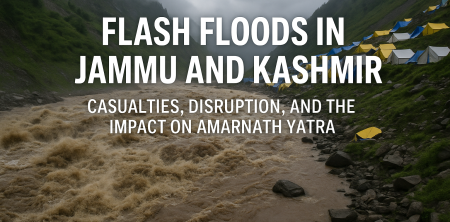
The recent flash floods in Jammu and Kashmir have brought devastating consequences for the region, causing significant casualties and forcing the suspension of the Amarnath Yatra, one of the most revered Hindu pilgrimages. The torrential rains that have triggered these floods are not just weather phenomena; they represent a complex intersection of environmental factors, socio-economic challenges, and deeply held religious beliefs. As the situation unfolds, it has naturally garnered widespread attention, with families anxiously awaiting updates on the safety of their loved ones and the status of rescue operations.
Understanding the Trigger: Heavy Rainfall
Jammu and Kashmir, nestled in the northern part of India, has long been familiar with unpredictable weather patterns. This region, characterized by its mountainous terrain, is particularly vulnerable to flash floods due to sudden and intense rainfall. In recent days, the state has been battered by heavy rains that resulted in a rapid rise in water levels in rivers and streams, leading to devastating flash floods.
According to the India Meteorological Department (IMD), the region recorded upwards of 100 mm of rainfall in a span of just 24 hours in some areas. The intensity of the rainfall was such that it overwhelmed local drainage systems, leading to widespread inundation. This sort of natural disaster is not new but appears to be becoming more frequent, a worrying trend that coincides with climate change and its impacts on weather patterns.
Casualties and Displaced Families
The human toll of the flash floods in Jammu and Kashmir has been heartbreaking. Reports indicate that several lives have been lost due to landslides and drowning incidents. Rescue operations are ongoing, but as of now, the exact number of casualties remains difficult to ascertain. Local authorities are working tirelessly, but the scale of the disaster has prompted many families to remain in a state of distress, fearing for their loved ones.
In addition to loss of life, thousands have been displaced from their homes. Many have sought refuge in makeshift camps established by government agencies and NGOs. The living conditions in these camps are far from ideal, lacking adequate sanitation, food, and medical facilities, further complicating an already dire situation.
The Suspension of Amarnath Yatra
The Amarnath Yatra, an annual pilgrimage that attracts hundreds of thousands of devotees, is currently facing unprecedented disruption. Held in the Himalayas, this pilgrimage usually occurs during the summer months and is deeply embedded in the spiritual fabric of millions of Hindus. However, due to the flash floods, the authorities had no choice but to suspend the Yatra temporarily.
This suspension has far-reaching implications. For many devotees, the pilgrimage is a lifelong aspiration, often passed down through generations. The emotional weight of this disruption cannot be overstated. Families who planned for months, if not years, to undertake this sacred journey are now left in limbo, with many anxiously monitoring the situation for any updates regarding safety and reopening.
Social Media: A Double-Edged Sword
In the age of digital communication, social media platforms have become a vital lifeline during crises. The rapid sharing of information has allowed families to stay connected, receive updates about the situation on the ground, and mobilize support for those affected. However, the emotional impact of the information being shared can be overwhelming.
Real-time footage of the flooding and rescue efforts has flooded social media, creating a mix of compassion and panic among viewers. Users often share videos and images depicting the severity of the floods, amplifying the sense of urgency and fear. While this can help raise awareness and support, it also raises ethical questions regarding the portrayal of suffering and disaster on public platforms.
Government Response and Rescue Operations
The immediate response from local and state governments has focused on rescuing stranded individuals and providing relief to those affected. Emergency services, including the National Disaster Response Force (NDRF), have been deployed to assist in rescue operations. Helicopters are being utilized to airlift individuals trapped in remote regions, while ground teams are working to clear debris and restore access to affected areas. This builds on superfund site vulnerabilities.
However, the challenge is immense. The mountainous terrain complicates rescue efforts, and communication disruptions have made it difficult to assess the full extent of the damage. Local authorities have urged residents to remain indoors and heed evacuation orders where applicable. (See: National Centers for Environmental Information.)
Implications for Future Pilgrimages
The current situation raises important questions about the future of the Amarnath Yatra and similar pilgrimages in Jammu and Kashmir. As climate change continues to impact weather patterns, the risks associated with such events are likely to increase. Pilgrimage routes need to be assessed for safety, and long-term strategies must be developed to manage the risks associated with natural disasters.
Moreover, this incident serves as a reminder of the importance of preparedness and response strategies for religious events. The emotional and spiritual significance of the Yatra cannot be understated, but it must be balanced against the safety of pilgrims. Authorities may need to consider contingency plans to minimize disruption in the future, ensuring that the pilgrimage can continue safely even in the face of adverse weather conditions.
Community Resilience and Support
Throughout this crisis, the resilience of the local communities has been on display. Neighbors are coming together to help one another, sharing resources and providing emotional support in these trying times. Local NGOs and volunteer groups are mobilizing quickly to offer assistance, food, and medical aid to those in need.
Many residents are also utilizing social media to organize fundraising efforts and spread awareness about the ongoing situation. This community spirit is vital in overcoming the immediate challenges and will play a key role in the recovery process.
The Role of Environmental Awareness
The flash floods in Jammu and Kashmir prompt a broader conversation about environmental awareness and sustainability. As natural disasters become more frequent, it's essential to understand the human impact on the environment, especially concerning urban planning and resource management.
Local governments and communities must come together to identify vulnerable areas and develop strategies to mitigate flood risks. Promoting sustainable practices, such as afforestation and effective waste management, can help reduce the impact of heavy rainfall and improve community resilience. Education on climate change and environmental stewardship will be crucial in preparing future generations for the challenges that lie ahead.
Looking Forward: Recovery and Rebuilding
As the waters recede and the immediate crisis begins to settle, attention will inevitably shift to recovery and rebuilding efforts. The road ahead will not be easy, and it will require a concerted effort from local and state governments, NGOs, and communities alike. The psychological impacts of this disaster will also need to be addressed, providing support for those who have lost loved ones or have been displaced.
In the coming months, the government will have to prioritize infrastructure repairs, ensure adequate medical facilities, and reestablish access to essential services. Long-term recovery plans must also include strategies to adapt to changing environmental conditions, ensuring that Jammu and Kashmir can withstand future challenges.
The Economic Impact of Flash Floods
Beyond the immediate human suffering caused by the flash floods in Jammu and Kashmir, the economic repercussions will be felt for years, if not decades. The region is heavily reliant on tourism, particularly from religious sites like the Amarnath Yatra. The suspension of this pilgrimage not only affects the spiritual wellbeing of countless devotees but also has a significant financial impact on local businesses that thrive on the influx of visitors.
Hotels, restaurants, and local artisans all rely on the seasonal flow of pilgrims. An analysis by the Jammu and Kashmir Tourism Department indicated that the Amarnath Yatra alone contributes an estimated INR 1,500 crore (approximately USD 180 million) to the local economy annually. The suspension of the Yatra this year threatens not only immediate income but also long-term viability for these businesses, many of which may struggle to recover.
The agricultural sector has also been deeply impacted, with fields being submerged and crops destroyed. Farmers who rely on their harvests for sustenance and income now face an uncertain future. The government will need to implement robust support systems to assist those who have lost their livelihoods due to the floods.
Climate Change and Future Preparedness
The frequency and intensity of flash floods in Jammu and Kashmir can be linked to broader climate change trends. As global temperatures rise, the atmosphere holds more moisture, leading to extreme weather events. A study by the Indian Meteorological Department has indicated that Jammu and Kashmir is experiencing a significant increase in rainfall events, elevating the risk of flash floods. (See: World Health Organization on climate change.)
Addressing these issues will require a multi-faceted approach that includes infrastructure investment, land-use planning, and improved forecasting systems. The establishment of a comprehensive Early Warning System (EWS) for flash floods is critical. Such a system could leverage technology to provide timely alerts to residents, enabling them to evacuate before disaster strikes.
Local communities also play a role in preparing for future floods. By engaging in training programs and drills, residents can better understand evacuation routes and emergency protocols. This preparation can save lives and minimize loss in future events. Collaboration between government agencies, NGOs, and local communities is vital for developing effective strategies based on the latest scientific research and historical data.
Frequently Asked Questions (FAQ)
1. What are the main causes of flash floods in Jammu and Kashmir?
Flash floods in Jammu and Kashmir are primarily caused by heavy and prolonged rainfall, especially during the monsoon season. The region's unique geography makes it prone to sudden water accumulation due to its steep slopes and narrow valleys.
2. How can I help those affected by the flash floods?
You can help by donating to reputable NGOs involved in rescue and relief efforts. Many organizations are actively providing food, shelter, and medical help to the affected communities. Additionally, spreading awareness about the situation can help mobilize more resources.
3. What measures are taken by the government post-disaster?
Post-disaster, the government typically conducts damage assessments, provides financial assistance to affected families, and initiates rebuilding efforts. They also review and reinforce infrastructure, improve emergency response plans, and enhance community preparedness for future incidents.
4. How long does it take for areas affected by floods to recover?
The recovery period can vary significantly depending on the extent of the damage, available resources, and community resilience. It can take months or even years for affected areas to fully recover, especially in the case of severe flooding that impacts infrastructure and livelihoods.
5. Are flash floods in Jammu and Kashmir becoming more frequent?
Yes, there is evidence to suggest that flash floods in Jammu and Kashmir are becoming more frequent and severe, in part due to climate change and shifting weather patterns. Increased rainfall intensity and changes in land use contribute to this trend.
The Role of Local Governance in Disaster Management
Effective local governance plays a critical role in managing disasters like flash floods. Local bodies must develop comprehensive disaster management plans that prioritize risk assessment, emergency response protocols, and community engagement. Such plans should involve input from residents to ensure that they are practical and address community-specific needs.
Regular training and simulation drills can prepare local officials and emergency responders for swift action during a crisis. Additionally, building strong communication networks within communities can ensure that vital information reaches residents swiftly, minimizing panic and confusion.
Another vital aspect is the incorporation of local knowledge and practices into disaster preparedness strategies. Indigenous communities often have unique insights into their environment and can offer valuable information on historical flooding patterns and effective mitigation measures.
Long-term Mitigation Strategies
To combat the increasing frequency of flash floods, long-term mitigation strategies must be put in place. These could include investing in green infrastructure, such as rain gardens and permeable pavements, which can help absorb excess rainfall and reduce runoff.
Reforestation and afforestation efforts can play a significant role in stabilizing soil and preventing erosion, which contributes to flooding. Protecting wetlands, which act as natural sponges, can also help absorb floodwaters, reducing the impact on surrounding communities. For more on this, see tree planting's climate impact.
Urban planning must take into account the risks of flooding and ensure that new developments adhere to strict environmental regulations. Zoning laws should prevent construction in high-risk flood zones, thereby safeguarding lives and property.
The Influence of Climate Policies
National and state-level climate policies will influence how effectively Jammu and Kashmir can adapt to the challenges posed by climate change. Policies that promote sustainable land use, renewable energy, and conservation efforts can help reduce the region's vulnerability to flash floods.
Investing in research and development for climate-resilient infrastructure can also provide long-term benefits, allowing the region to better withstand extreme weather events. Collaboration between governmental agencies, NGOs, and local communities is crucial in crafting policies that reflect the needs and realities of affected populations.
Furthermore, raising public awareness about climate change and its link to natural disasters can foster a culture of preparedness and resilience in communities. Educational programs aimed at young people can instill a sense of responsibility towards the environment and encourage proactive measures to mitigate climate change effects.
Conclusion: A Call for Compassion and Action
The flash floods in Jammu and Kashmir have served as a stark reminder of nature's power and our vulnerability. As we witness the unfolding situation, it's crucial that we extend our compassion not only to those directly affected but also to the communities working tirelessly to support one another. The world is watching, and now is the time for action — both in terms of immediate relief and long-term solutions to address the underlying issues. While the Amarnath Yatra may be temporarily halted, the spirit of resilience and community support remains unbroken, showcasing the strength of humanity in the face of adversity.
```
Trending Now
Frequently Asked Questions
What caused the flash floods in Jammu and Kashmir?
The flash floods in Jammu and Kashmir were primarily caused by heavy rainfall, with some areas recording over 100 mm in just 24 hours. This intense rainfall overwhelmed local drainage systems, leading to rapid rises in water levels in rivers and streams, resulting in devastating floods.
How many casualties were reported from the Jammu and Kashmir floods?
The flash floods have resulted in several casualties, including deaths from landslides and drowning incidents. However, the exact number of casualties is still being determined as rescue operations continue and local authorities assess the full impact of the disaster.
What is the impact of the floods on the Amarnath Yatra?
The recent flash floods have forced the suspension of the Amarnath Yatra, a significant Hindu pilgrimage. The severe weather conditions and resulting flooding have made it unsafe for pilgrims, impacting thousands who were planning to participate in the pilgrimage.
How are rescue operations being conducted in Jammu and Kashmir?
Rescue operations in Jammu and Kashmir are ongoing, with local authorities working tirelessly to assist those affected by the floods. Teams are focused on locating missing persons, providing relief to displaced families, and restoring access to critical areas impacted by the disaster.
What environmental factors contribute to flash floods in Jammu and Kashmir?
Jammu and Kashmir's mountainous terrain makes it particularly vulnerable to flash floods, especially during periods of heavy rainfall. The region's unpredictable weather patterns, exacerbated by climate change, have led to an increase in the frequency and intensity of such natural disasters.
What did we miss? Let us know in the comments and join the conversation.

