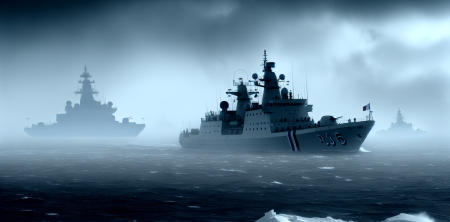
In a significant escalation of efforts to combat illicit oil trade linked to Russia, French naval forces recently intercepted and boarded a tanker believed to be part of Russia's shadow fleet. This operation, which unfolded in international waters, highlights the European Union's intensified commitment to enforce sanctions amidst the ongoing conflict in Ukraine and the broader energy disputes affecting the continent.
The Operation: A Strategic Move
The boarding of the tanker marks a crucial moment in the EU's strategy to curb Russian oil exports, which have been a vital source of revenue for the Kremlin, enabling its military operations in Ukraine. The operation took place on March 22, 2026, and involved a specialized team from the French navy, who successfully detained the crew members aboard the vessel.
Details of the Interception
According to sources from the French government, the tanker was identified as being involved in circumventing sanctions aimed at limiting Russia's oil trade. These sanctions were imposed in response to Russia's invasion of Ukraine in February 2022 and have been gradually intensifying as the conflict continues.
The interception was not just a routine enforcement action; it was part of a broader strategy to dismantle networks facilitating the illicit trade of oil. As the European Union seeks to reduce its dependency on Russian energy, actions like these are aimed at disrupting alternative supply chains that may be operating outside of international law.
The Implications of the Operation
The seizure of the tanker has far-reaching implications for both European energy policy and international maritime law. With the crew detained pending further investigation, French authorities are expected to scrutinize the vessel's operations and its connections to Russia’s shadow fleet, which is said to be composed of ships that operate under the radar to transport oil without being detected.
Understanding the Shadow Fleet
Russia's shadow fleet refers to a network of commercial vessels that are often re-flagged or operate under different names to evade sanctions. These ships have been crucial in transporting oil to nations willing to purchase it despite the sanctions imposed by Western governments. Estimates suggest that this fleet has been responsible for millions of dollars in oil exports, significantly bolstering Russia's economy during a time of conflict.
By targeting these vessels, European nations aim to choke off funding that supports military aggression and destabilization efforts in Ukraine. The successful operation by French forces could inspire similar actions from other EU member states, amplifying the collective effort to enforce sanctions against Russia.
Broader Context: Sanctions and Energy Security
The operation comes at a time of heightened scrutiny surrounding energy security in Europe. After the onset of the Ukraine war, many European nations scrambled to reduce their reliance on Russian oil and gas. This urgency has led to an array of sanctions, which have been accompanied by calls for increased domestic energy production and investment in alternative sources.
- Sanctions Enforcement: The EU has imposed a series of sanctions targeting Russian oil exports, limiting the Kremlin's ability to fund its military operations.
- Energy Transition: European nations are investing in renewable energy sources and seeking new suppliers to diversify their energy portfolios.
- International Cooperation: The interception of the tanker exemplifies the collaborative efforts among EU countries to combat illegal oil trade and reinforce the sanctions regime.
Future Actions and Considerations
As the investigation into the tanker continues, European leaders are likely to convene to discuss next steps in their approach to Russia. The success of this operation may pave the way for more assertive actions against other vessels suspected of engaging in similar illicit activities.
Moreover, the interception serves as a warning to entities that might consider cooperating with Russia in evading sanctions. The growing unity among EU nations, coupled with military and maritime enforcement actions, signals a robust commitment to hold accountable those who undermine international efforts to restore stability in Ukraine.
Conclusion
The recent boarding of a tanker linked to Russia's shadow fleet is a critical development in the ongoing geopolitical struggle surrounding the Ukraine war. As Europe continues to grapple with the implications of its energy dependence, actions like these highlight the lengths to which nations will go to enforce sanctions and protect their interests. The operation not only disrupts a vital source of revenue for Russia but also reinforces the international community's resolve to uphold the rule of law on the high seas.

