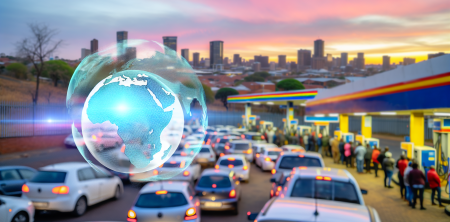
In Johannesburg, South Africa, residents are facing significant challenges as fuel shortages have led to long queues at petrol stations. The situation has been exacerbated by ongoing global supply issues, notably influenced by rising oil prices and geopolitical tensions, including the conflict in Iran. As the crisis unfolds, authorities are working to manage the disruptions while residents navigate the inconvenience of fuel scarcity.
Impact of Global Supply Issues
The current fuel shortages in Johannesburg are not isolated incidents but rather part of a larger trend affecting many regions around the world. According to experts, the ongoing conflict in Iran has had a ripple effect on oil markets, leading to increased prices that ultimately impact consumers at the pump. This situation is compounded by various logistical challenges that have emerged in recent months, including disrupted supply chains and rising demand as economies recover from the pandemic.
Rising Oil Prices and Their Effects
As oil prices continue to climb, petrol stations in Johannesburg are experiencing unprecedented demand. Many residents are reporting waits of several hours to fill their tanks, a situation that has become increasingly frustrating. The price of petrol has surged in recent weeks, with analysts predicting that these rates may continue to rise if the geopolitical landscape does not stabilize.
- Increased Waiting Times: Many drivers are forced to wait in long lines, sometimes for hours, to fill up their vehicles.
- Economic Strain: Rising fuel prices have placed additional financial burdens on residents, many of whom are already grappling with the economic fallout from the pandemic.
- Supply Chain Disruptions: Issues related to transportation and logistics have further complicated the availability of fuel.
Government Response to the Crisis
In response to the fuel shortages, the South African government has been actively engaging with stakeholders in the energy sector to address the crisis. Authorities are exploring various measures to alleviate the situation, including potential partnerships with international oil suppliers and reassessing local distribution networks.
Efforts to Stabilize the Market
The government has emphasized the importance of stabilizing the fuel market to prevent further disruptions. Energy Minister Gwede Mantashe has called for urgent discussions with oil companies and other stakeholders to explore solutions that could lead to a more reliable supply of fuel.
Officials have also encouraged residents to remain patient while they work to resolve the issues. “We understand the frustration this situation causes, and we are doing everything possible to ensure that fuel supplies are restored,” Mantashe stated in a recent address to the media.
Public Sentiment and Reactions
The public reaction to the fuel shortages has been mixed, with many expressing anger and frustration over the situation. Local businesses, too, are feeling the effects, as delivery delays and transportation issues hinder operations. Some residents have taken to social media to voice their concerns, sharing their experiences of waiting in long lines and the economic impact of rising fuel prices.
Community Initiatives
In light of the crisis, some community organizations have stepped up to assist those most affected. Initiatives aimed at providing transportation alternatives, such as carpooling programs, have emerged as a way to help alleviate the pressure on fuel supplies. Additionally, local charities are stepping in to support low-income families who are struggling to afford the rising costs of fuel.
- Carpooling Programs: Community-driven initiatives are encouraging residents to share rides, reducing the overall demand for fuel.
- Support for Vulnerable Populations: Charities are providing assistance to families facing financial difficulties due to rising fuel costs.
- Public Awareness Campaigns: Local organizations are raising awareness about the importance of conserving fuel during this challenging time.
Looking Ahead
As Johannesburg grapples with these fuel shortages, the situation serves as a reminder of the interconnectedness of global markets and the potential for local crises to arise from far-reaching geopolitical events. The ongoing conflict in Iran highlights the vulnerabilities within the international oil supply chain, and the impact of rising prices is being felt across continents.
Authorities in South Africa are hopeful that through concerted efforts, the fuel supply will stabilize soon. However, it remains to be seen how long the disruptions will last and what long-term measures will be implemented to prevent similar crises in the future.
For now, residents are encouraged to remain vigilant, conserve fuel where possible, and support local initiatives aimed at mitigating the effects of the shortages. The path to recovery may be long, but with community efforts and government support, there is hope for a resolution to this pressing issue.

