```html
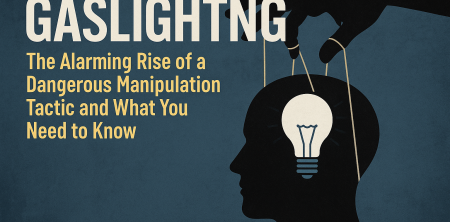
In recent months, the term gaslighting has taken a prominent place in the public discourse, securing over 286,900 searches on Google in the U.S. alone. This term, which describes a manipulative tactic where one person systematically undermines another's perception of reality, has gained significant traction, especially on social media. As people grapple with the implications of gaslighting in their personal lives, there's a growing need to understand its dynamics and how to recognize it.
1. Understanding Gaslighting: What It Really Means
At its core, gaslighting is a form of psychological manipulation that aims to make a person doubt their own perceptions, feelings, and memories. The term originated from the 1938 play "Gas Light," where a husband manipulates his wife into believing she is losing her sanity. This tactic can manifest in various relationships, including romantic partnerships, friendships, and even workplace dynamics.
Gaslighters often use denial, misdirection, contradiction, and misinformation to create confusion. For instance, they may insist that a conversation never happened or that the victim is overreacting to a situation. This can lead to the victim feeling isolated, anxious, and questioning their own sanity, which is why understanding gaslighting is crucial for anyone in a potentially abusive relationship.
2. The Surge in Searches: Why Gaslighting Is Trending
The recent spike in online searches for gaslighting can be attributed to a combination of heightened awareness and the sharing of personal stories on social media platforms. People are not just curious; they actively want to identify gaslighting behavior in their lives. Conversations around mental health, relationships, and emotional abuse are becoming more mainstream, leading to the term being discussed more frequently.
Viral social media posts often highlight individual experiences of being gaslit, creating a community where victims can share their stories and seek validation. This collective sharing has not only increased awareness but has also empowered others to seek help, leading to a significant cultural shift in how emotional manipulation is perceived.
3. The Connection Between Gaslighting and Narcissism
Interestingly, the term narcissist has also seen substantial search interest with 186,500 searches. This connection isn't coincidental; many gaslighters exhibit narcissistic tendencies. Narcissists often lack empathy and manipulate those around them to maintain their self-image and control their environment.
Understanding the link between gaslighting and narcissism is vital for recognizing harmful relationship patterns. Narcissistic gaslighters may use tactics like putting down their partner, dismissing their feelings, or creating chaos to maintain control over their victims, making it crucial to identify these behaviors early on.
4. The Emotional Impact of Gaslighting
The emotional toll of gaslighting can be devastating. Victims often report feelings of confusion, anxiety, and depression. Over time, the manipulation can erode self-esteem, causing victims to feel powerless and doubt their own perceptions. This emotional abuse is insidious; it can lead to long-lasting psychological trauma.
Research has shown that victims of gaslighting may develop symptoms similar to post-traumatic stress disorder (PTSD), including flashbacks, nightmares, and severe anxiety. Recognizing these effects is essential for recovery—acknowledging that you’ve been subjected to manipulation is the first step toward healing.
5. Identifying Gaslighting in Your Life
Identifying gaslighting can be tricky, especially since the tactics used are often subtle. A few signs to watch for include:
- Frequent denial: The gaslighter may deny saying or doing things you clearly remember.
- Shifting blame: They may shift blame onto you, making you feel responsible for their actions.
- Constant confusion: You may feel like you’re questioning your own reality or memory more often.
If you notice these behaviors in your interactions, it may be time to reevaluate the relationship. Understanding these signs can help you protect yourself and your mental health.
6. How to Respond to Gaslighting
If you find yourself in a situation where you’re experiencing gaslighting, it’s essential to have a strategy for addressing it. Here are some effective strategies: (See: Research on psychological manipulation tactics.)
- Document your experiences: Keep a journal of interactions. This can help you validate your feelings and serve as proof if needed.
- Trust your feelings: Remember that your feelings are valid. Don’t allow the gaslighter to undermine your emotional response.
- Seek support: Talk to trusted friends or mental health professionals who can provide perspective and reassurance.
Taking these steps can empower you and help you regain control over your reality.
7. Seeking Professional Help: Why Therapy Can Be Crucial
For those who have experienced gaslighting, seeking professional help can be a game-changer. Therapists can provide a safe space to process trauma and develop coping mechanisms tailored to your situation. Cognitive-behavioral therapy, for example, can be particularly effective in helping individuals reframe their thoughts and heal from emotional abuse.
Additionally, a therapist can help you identify patterns in your relationships, enabling you to make healthier choices in the future. Sharing your experiences in a supportive environment can considerably alleviate feelings of isolation and confusion.
8. Gaslighting in Popular Culture: Media Representations
Media portrayals of gaslighting have also contributed to the public's understanding of the concept. Films like "Gaslight" and more recent shows, such as "Big Little Lies," have brought attention to the damaging effects of emotional manipulation. These representations serve not only to entertain but also to educate audiences about the subtlety and complexity of gaslighting.
By integrating discussions around gaslighting into popular culture, media can help demystify the term and encourage more people to seek help. The more conversations we have, the more awareness we spread, leading to potential change in societal attitudes toward emotional abuse.
9. The Role of Social Media: A Double-Edged Sword
While social media has played a significant role in raising awareness about gaslighting, it can also perpetuate harmful narratives. On one hand, platforms like Twitter and TikTok allow individuals to share their experiences, fostering community and support. On the other hand, misinformation can spread rapidly, leading to misunderstandings of the term and its implications.
It’s crucial to approach discussions on social media with a critical eye and seek out credible sources. Engaging in healthy conversations can contribute to a more informed public and help those affected by gaslighting find the resources they need.
10. Moving Forward: Empowering Yourself Against Gaslighting
Ultimately, the rise in searches for gaslighting signifies a collective yearning for understanding and healing. It’s vital to educate ourselves about the signs, effects, and recovery strategies associated with emotional manipulation. By doing so, we not only empower ourselves but also create a culture where emotional health is prioritized.
Recognizing gaslighting is the first step toward breaking free from its grip. The more we share knowledge, support one another, and validate each other’s experiences, the more we can foster resilience and encourage healthier relationships in our communities.
11. Understanding the Tactics of Gaslighting
Gaslighting isn't just one isolated behavior; it involves a variety of tactics that can be used together to create a web of confusion and distrust. Some of the common tactics include:
- Withholding: The gaslighter may refuse to engage in conversation about feelings or issues, claiming they don't understand or don't want to discuss it.
- Countering: This involves questioning the victim's memory, insisting that they are misremembering events, or that their recollections are incorrect.
- Trivializing: Dismissing the victim's feelings as unimportant or exaggerated can make them doubt their own emotional responses.
- Diverting: The gaslighter may change the subject or focus on unrelated issues to distract from the matter at hand.
Understanding these tactics can help individuals recognize when they are being manipulated and take steps to protect themselves. Awareness is the first step toward reclaiming one's reality and autonomy.
12. Real-Life Examples of Gaslighting
Real-life instances of gaslighting can be powerful teaching moments. Here are a couple of examples that illustrate how this manipulation can unfold:
In one case, a woman noticed that her partner often picked fights over simple misunderstandings. Whenever she expressed her feelings, he would counter with accusations, suggesting she was overly sensitive or imagining things. Over time, she found herself second-guessing her emotions, often apologizing for perceived wrongdoings that had never occurred. (See: Mental health and psychological well-being.)
Another example can be seen in workplace settings where a boss frequently reassigns credit for an employee's work to others. When confronted, the boss may claim that the employee is misremembering events or that they're being self-centered for wanting acknowledgment. This can lead to the employee feeling undervalued and questioning their contributions and abilities.
13. Statistics on Gaslighting
Understanding the prevalence of gaslighting in society can shed light on its impact. According to a survey conducted by the National Coalition Against Domestic Violence, about 89% of women reported experiencing some form of emotional abuse, which includes gaslighting, at some point in their lives. Moreover, a study from the University of Michigan found that nearly 50% of individuals in a romantic relationship had either been gaslit or had experience with gaslighting tactics.
The high prevalence of such behaviors emphasizes the importance of education and awareness. If we can highlight the signs and tactics of gaslighting, we can help prevent it and support those who are affected.
14. Expert Perspectives on Gaslighting
Experts in psychology and relationship counseling emphasize the importance of recognizing gaslighting early. Dr. Ramani Durvasula, a clinical psychologist, states that understanding the dynamics of these relationships is crucial for healing. She explains that victims often feel "crazy" because their reality is systematically dismantled, leading to significant distress. Related reading: toxic mental health loop.
Similarly, therapist and author, Dr. Jennifer Freed, encourages those in relationships that feel manipulative to trust their instincts. "If you feel like you are losing your grip on reality, it might be time to evaluate the people around you," she advises. These expert insights help contextualize the impact of gaslighting on individuals, aiding in the process of recognition and recovery.
15. Frequently Asked Questions About Gaslighting
What is the origin of the term "gaslighting"?
The term comes from the 1944 film "Gaslight," where a husband manipulates his wife into believing she’s losing her sanity by subtly altering elements of their environment and insisting she’s mistaken.
Can gaslighting happen in friendships?
Absolutely. While it’s often discussed in romantic contexts, gaslighting can occur in any relationship, including friendships and familial relationships. It's about the power dynamics and manipulation present, rather than the specific nature of the relationship.
Is gaslighting always intentional?
Not always. Some individuals may engage in gaslighting behaviors without fully realizing their impact. However, the effects are still harmful, highlighting the need for awareness and communication in relationships.
How can I protect myself from gaslighting?
Self-awareness is key. Keep a journal of your feelings and experiences, trust your instincts, and establish a support system. If you recognize signs of gaslighting, you may need to set boundaries or reassess the relationship.
What should I do if I think I’m gaslighting someone?
If you suspect you’re engaging in gaslighting behaviors, it’s important to reflect on your actions. Consider seeking help from a mental health professional to understand your behaviors better and learn healthier ways to communicate.
Can gaslighting lead to long-term psychological issues?
Yes, prolonged exposure to gaslighting can lead to significant mental health issues, including anxiety, depression, and symptoms similar to PTSD. Recognizing the signs early and seeking help are crucial for recovery.
16. Understanding the Cycle of Gaslighting
Gaslighting often follows a cycle that can make it particularly difficult for victims to escape. Initially, the victim may feel loved and cherished, but as manipulation escalates, they begin to feel doubt and confusion. The stages of this cycle typically include:
- Idealization: The gaslighter showers the victim with affection and praise, creating a strong emotional bond.
- Devaluation: The gaslighter begins to criticize and undermine the victim's self-esteem, often with subtle comments or behaviors that erode confidence.
- Discard: Eventually, the victim may feel neglected or dismissed entirely, leading them to question their worth.
Understanding this cycle can help victims recognize the patterns in their relationships and encourage them to seek help before they become too deeply entrenched.
17. The Importance of Community Support
Community support plays a critical role in helping victims of gaslighting reclaim their sense of reality. Finding allies who understand and validate their experiences can offer profound relief. Support groups, both online and in-person, can provide environments for sharing stories and strategies for coping with emotional manipulation.
For example, organizations focused on mental health often host workshops where individuals can learn about emotional abuse, including gaslighting, and connect with others who share similar experiences. Engaging in these communities can foster healing and empowerment, making it easier for individuals to navigate their struggles.
18. How to Discuss Gaslighting with Loved Ones
If you suspect a loved one is experiencing gaslighting, approaching the subject with sensitivity and care is important. Here are some suggestions on how to initiate that conversation:
- Choose the right time and place: Ensure you have a private and comfortable setting where the person feels safe to express their feelings.
- Use "I" statements: Frame your concerns from your perspective. For example, "I've noticed you're often upset after talking to [Name], and I'm worried about you."
- Listen actively: Allow them to share their experiences without interruption, validating their feelings and assuring them that you are there to support them.
Conversations like these can not only bring awareness to the issue but also encourage individuals to seek help and validation.
19. Long-term Recovery from Gaslighting
Recovering from gaslighting can be a long process. Here are some steps to aid in healing: See also understanding microinvalidations.
- Engage in self-care: Prioritizing mental and physical well-being is essential. This can include exercise, adequate sleep, and mindfulness practices.
- Rebuild self-esteem: Focus on activities and relationships that affirm your worth and make you feel confident and secure.
- Educate yourself: The more you learn about gaslighting and its tactics, the better equipped you’ll be to recognize and combat it in the future.
Taking these steps can lead to a stronger sense of self and resilience against future manipulative behavior.
20. Final Thoughts on Combatting Gaslighting
Gaslighting remains a significant challenge in many relationships, and understanding it is the first step towards combating it. By educating ourselves and others, we can foster an environment that values emotional health and validates experiences. The more we talk about gaslighting, the more we empower ourselves and those around us to seek healthy, respectful interactions. Breaking the cycle of manipulation and focusing on honest communication can lead to healthier relationships where all parties feel seen and respected.
```
Trending Now
Frequently Asked Questions
What is gaslighting and how does it work?
Gaslighting is a psychological manipulation tactic where one person undermines another's perception of reality, often making them doubt their own feelings and memories. This can involve denial, misinformation, and contradiction, leading the victim to feel confused and isolated.
Why has gaslighting become a popular topic recently?
The recent surge in interest around gaslighting is due to increased awareness and discussions on social media about mental health and emotional abuse. Personal stories shared online have helped people recognize and identify gaslighting behaviors in their own lives.
How can you identify gaslighting in a relationship?
Identifying gaslighting involves noticing patterns of denial, misdirection, and contradiction from a partner. If you frequently question your own perceptions or feel isolated and anxious due to your partner's behavior, it may be a sign of gaslighting.
What are the effects of gaslighting on victims?
Victims of gaslighting often experience feelings of confusion, anxiety, and self-doubt. Over time, this manipulation can lead to a significant decline in mental health, making it crucial for individuals to recognize and address gaslighting in their relationships.
Can gaslighting happen in friendships or workplaces?
Yes, gaslighting can occur in various types of relationships, including friendships and workplace dynamics. It's important to be aware of manipulative behaviors in all areas of life, as they can undermine your confidence and perception regardless of the relationship type.
What did we miss? Let us know in the comments and join the conversation.

