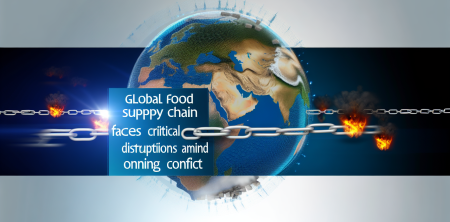
The ongoing U.S.-led military conflict in Iran has triggered a significant disruption in the global food supply chain, creating what many experts are calling a dangerous bottleneck. As shipments of essential fertilizers remain stalled at the strategic Strait of Hormuz, the repercussions are being felt across various continents, impacting agricultural productivity and threatening food security worldwide.
Fertilizer Supply Crisis
The Strait of Hormuz is a crucial maritime chokepoint through which approximately 20% of the world's oil passes, and its importance extends beyond just fuel. It is also a vital artery for the transportation of fertilizers that are essential for global agriculture. With the conflict escalating, many shipments have been delayed or halted, leading to severe shortages in fertilizer supplies.
Impact on Global Agriculture
Countries heavily reliant on imported fertilizers are now experiencing significant challenges. In India, agricultural plants have been forced to shutdown or slow down operations due to soaring natural gas prices, which are directly linked to the ongoing unrest. Similarly, Algeria and Slovakia are grappling with similar issues, exacerbating an already delicate situation for farmers who are now unable to maintain their crops effectively.
China's Export Restrictions
Adding to the turmoil, China, one of the largest producers and exporters of fertilizers, has implemented restrictions on exports. This action aims to ensure domestic supply but has further strained the global market, leading to increased prices and reduced availability of essential agricultural inputs.
Decline in Crop Planting
The ripple effects of the fertilizer shortage are already evident in the agricultural sectors of several countries. In Australia, wheat planting has significantly declined as farmers grapple with the rising costs of inputs. The situation is compounded by unpredictable weather patterns that are further complicating planting schedules.
U.S. Farmers Seek Relief
In the United States, farmers producing corn and soybeans are feeling the pinch as costs escalate due to the fertilizer crisis. Many are looking to President Trump for relief measures, hoping for government intervention to help mitigate the impacts of rising input costs. The situation poses a significant threat to the upcoming harvest, which could lead to further food insecurity in the nation.
Global Food Security at Risk
The cascading effects of the Iranian conflict and the subsequent fertilizer shortage threaten food security on a global scale. As prices for essential commodities rise, many countries, particularly those that are already food insecure, may face dire consequences. The situation calls for urgent action as the world grapples with the dual challenges of conflict and climate change.
Potential Solutions and Strategies
To address the looming crisis, experts suggest several strategies that could help mitigate the impact of the fertilizer shortage:
- Investment in Alternative Fertilizers: Encouraging the development and use of alternative fertilizers, including organic options, could help reduce reliance on traditional fertilizer imports.
- Support for Local Agriculture: Strengthening local agricultural initiatives can enhance self-sufficiency, reducing dependence on global supply chains.
- Government Interventions: Governments may need to implement financial relief programs for farmers to help them cope with rising costs and maintain production levels.
- International Cooperation: Countries must work together to ensure the free flow of essential goods, including fertilizers, to avert a full-blown food crisis.
Conclusion
The global food supply chain is facing unprecedented challenges due to the ongoing conflict in Iran and its far-reaching implications. As disruptions continue, it is crucial for policymakers, farmers, and international organizations to come together to find solutions that will protect food security and prevent a humanitarian crisis. Without prompt action, the consequences could be dire, affecting millions of people worldwide who rely on stable food supplies for their livelihoods.

