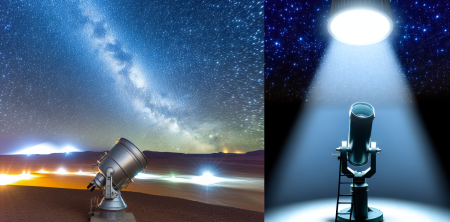
The Atacama Desert in Chile is often heralded as one of the last bastions of natural darkness on Earth, offering an unparalleled canvas for stargazers and astronomers alike. However, this unique environment is now under siege from the creeping tendrils of light pollution, a phenomenon that threatens to tarnish the celestial beauty that has captivated humanity for centuries. As urban development and mining operations expand in this remote region, the implications for both scientific research and our cultural connection to the night sky are profound.
A Unique Astronomical Oasis
Located in northern Chile, the Atacama Desert is renowned for its extreme aridity, high altitude, and relative isolation. These characteristics create an environment that is not only inhospitable to many forms of life but also ideal for astronomical observations. With an average elevation of 2,400 meters (7,874 feet) above sea level, the desert’s thin atmosphere allows for clearer views of the cosmos.
Moreover, the Atacama is home to several world-class observatories, including the Atacama Large Millimeter/submillimeter Array (ALMA) and the Very Large Telescope (VLT). These facilities enable astronomers to explore the universe in unprecedented detail, studying everything from distant galaxies to the formation of stars. The area’s clear, dark skies have made it a hub for scientific discovery and a prime location for stargazing.
Light Pollution: A Growing Threat
Despite its current status as a haven for astronomical observation, the Atacama Desert is not immune to the effects of light pollution. This unwanted artificial light, emanating from urban areas and industrial activities, can significantly degrade the quality of night skies. The expansion of nearby mining operations, coupled with urban development, poses a real threat to the dark skies that have long characterized this remote region.
- Urban Development: As towns and cities near the Atacama Desert expand, the introduction of streetlights, buildings, and other sources of artificial light disrupts the natural darkness.
- Mining Operations: The burgeoning mining industry is a significant contributor to light pollution, as operations require extensive lighting for safety and productivity.
- Tourism Growth: Increased tourist interest in stargazing can lead to additional light sources, further complicating the issue.
The Impact of Light Pollution on Astronomy
The consequences of light pollution extend far beyond mere aesthetics; they can fundamentally alter the landscape of astronomical research and education. The ability to conduct sensitive observations of celestial events relies heavily on the presence of dark skies. As light pollution increases, the visibility of stars and other celestial objects diminishes, making it more challenging for astronomers to gather data.
Environmentalists and astronomers alike are sounding the alarm over this issue, warning that if unchecked, the degradation of the Atacama’s night skies could have far-reaching effects:
- Loss of Research Quality: The quality of data collected from telescopes is directly impacted by light pollution. Even a small increase in artificial light can lead to significant noise in astronomical data.
- Impact on Education: The ability to observe the night sky is critical for educational programs in astronomy. As skies become less accessible, opportunities for learning and engagement diminish.
- Cultural Significance: For many cultures, the night sky holds deep significance. Light pollution threatens to disconnect people from their cultural heritage and the natural world.
Mitigating the Effects of Light Pollution
In response to the growing threat of light pollution in the Atacama Desert, various strategies can be implemented to mitigate its effects and protect this invaluable resource.
Policy and Regulation
One of the most effective methods for combating light pollution is through the establishment of policies and regulations that limit artificial lighting in sensitive areas. Local governments can implement zoning laws that restrict the types and amounts of light that can be used in urban developments and industrial operations.
Innovative Lighting Solutions
The adoption of innovative lighting solutions can also play a pivotal role in reducing light pollution. For instance:
- Shielded Lighting: Using fixtures that direct light downward rather than outward can significantly reduce the spread of artificial light into the night sky.
- Smart Lighting Technology: Implementing smart lighting systems that adjust brightness based on time of day or activity levels can help minimize unnecessary illumination.
- LED Technology: Transitioning to energy-efficient LED lights, which emit less light pollution compared to traditional lighting options, can have a positive impact.
Community Engagement and Awareness
Engaging the community is crucial in the fight against light pollution. Raising awareness about the importance of dark skies can foster a sense of stewardship among residents and visitors. Educational campaigns that highlight the ecological and astronomical significance of the Atacama Desert can inspire people to take action.
Conclusion: A Call to Action
The Atacama Desert stands as a testament to the beauty and wonder of our universe, yet this fragile environment is at a crossroads. The encroachment of light pollution threatens to obliterate the pristine night skies that have inspired generations. As we reflect on our relationship with the cosmos, it is imperative that we take action to protect this invaluable resource.
By implementing effective policies, adopting innovative technologies, and engaging communities, we can preserve the Atacama Desert’s dark skies for future generations. The fight against light pollution is not just about protecting our ability to stargaze; it is about safeguarding our connection to the universe and ensuring that the wonders of the cosmos remain accessible to all.
As stewards of the Earth, we have a responsibility to preserve the natural beauty that surrounds us. The Atacama Desert's dark skies are a precious resource that deserves our protection, and together, we can ensure that this celestial wonder continues to inspire awe and curiosity for years to come.

