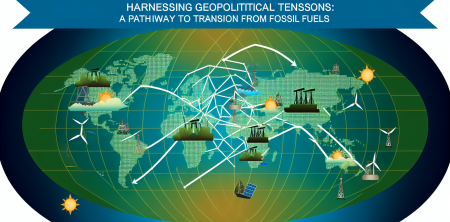
The geopolitical climate has always played a significant role in shaping energy policies around the world. The current situation, characterized by tensions stemming from fossil fuel dependencies, presents a unique opportunity for global leaders to pivot toward sustainable energy sources. With the backdrop of international conflict and energy insecurity, momentum is building for a decisive transition away from oil and gas. This pivotal moment is encapsulated in the upcoming First International Conference on the Just Transition Away from Fossil Fuels, set to take place in Santa Marta, Colombia, from April 24-29, 2026.
Spotlighting the Conference: A Coalition of Doers
The Santa Marta conference is poised to be a landmark event, gathering representatives from 50 countries alongside over 2,000 organizations, including governments, private sector entities, scientists, trade unions, and civil society advocates. The aim is to forge actionable solutions for transitioning from fossil fuels, particularly in light of the recent call to action from 85 nations during COP30 in Belem, Brazil. The Belem conference emphasized the urgent need for a roadmap to eliminate reliance on fossil fuels, making Santa Marta a critical juncture for implementing these solutions.
Why Now? The Context of Geopolitical Tension
As the world grapples with the consequences of fossil fuel dependence, the repercussions of conflicts—both political and environmental—have become increasingly evident. These geopolitical tensions have not only heightened energy concerns but have also ignited discussions about energy security and sustainability. The Santa Marta conference serves as an ideal platform to address these issues head-on.
The Coalition's Objectives
The objectives of the conference are multi-faceted and aim to unify various stakeholders in the quest for a sustainable future. Key goals include:
- Developing Actionable Solutions: The conference seeks to create practical strategies for transitioning away from fossil fuels.
- Strengthening International Cooperation: By bringing together a diverse range of stakeholders, the conference aims to foster collaboration across borders.
- Empowering Communities: A significant focus will be on ensuring that the transition is just and equitable, particularly for those communities most affected by fossil fuel dependence.
- Promoting Innovation: The coalition aims to highlight advancements in renewable energy technologies and sustainable practices.
Setting the Stage: The Road to Santa Marta
The journey to the Santa Marta conference has been marked by significant milestones in the global climate movement. The outcomes of COP30 in Belem have laid the groundwork for the discussions that will take place in Colombia. At COP30, the collective agreement from 85 countries to develop a concrete roadmap for phasing out fossil fuels signifies a critical turning point in international climate negotiations.
The Role of European Leaders
European leaders have been particularly vocal in their commitment to ending dependence on fossil fuels. With the urgency of the climate crisis becoming increasingly apparent, they view this moment as an opportunity to lead by example. The geopolitical tensions have provided a backdrop for these leaders to advocate for greener policies, emphasizing that the energy transition is not just an environmental imperative, but also a matter of national security.
Key Themes of the Conference
As participants prepare for the Santa Marta conference, several key themes have emerged that will guide the discussions:
- Equity in Transition: Ensuring that the move away from fossil fuels does not disproportionately affect vulnerable populations.
- Innovation and Technology: Exploring how new technologies can facilitate a smoother transition to renewable energy.
- Policy Frameworks: Developing and sharing best practices for policies that support a just transition.
- Community Engagement: Highlighting the importance of involving local communities in the transition process.
Challenges Ahead: Navigating the Path to Sustainability
Despite the optimistic outlook surrounding the Santa Marta conference, the road to a sustainable future is fraught with challenges. The transition away from fossil fuels demands not only technological innovation but also significant political will and public support.
Overcoming Political Barriers
One of the most significant hurdles is the entrenched political interests that have historically supported fossil fuel industries. Lobbying by these industries can hinder progress and delay the adoption of sustainable policies. Thus, a key focus for the coalition will be strategizing on how to effectively navigate these political landscapes.
Financial Constraints
Financial support is critical for facilitating the transition. Many countries, especially developing nations, lack the resources to invest in renewable energy infrastructure. The coalition will need to address these financial disparities to ensure that all countries can participate in the transition.
Looking Forward: The Future of Energy
The Santa Marta conference represents a watershed moment in the global fight against climate change. As nations come together in a coalition of doers, the potential to implement lasting change is immense. This gathering not only underscores the urgency of transitioning away from fossil fuels but also represents a collective commitment to building a sustainable future for generations to come.
Conclusion: A Call to Action
The next few years will be pivotal in shaping the global energy landscape. The Santa Marta conference is just the beginning of what must be a sustained effort to rid the world of its dependence on fossil fuels. As leaders and stakeholders gather in Colombia, the message is clear: the time for action is now. The world is watching, and the future depends on the decisions made in this critical moment.
This conference could very well be the catalyst for a transformative shift in how we power our societies—one that prioritizes sustainability, equity, and innovation, paving the way for a cleaner, greener planet.

