Introduction
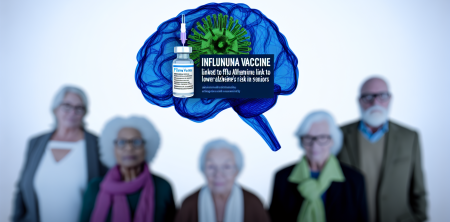
In a groundbreaking study conducted by researchers at UTHealth Houston, evidence has emerged suggesting that older adults who receive a higher dose of the influenza vaccine may significantly reduce their risk of developing Alzheimer's disease. This research provides a fresh perspective on the importance of vaccination, not only for preventing influenza but also as a potential strategy for enhancing brain health in aging populations.
The Study: Key Findings
The study focused on the relationship between vaccine dosage and the incidence of Alzheimer’s disease among older adults. Researchers found that participants who received a higher dose of the influenza vaccine experienced a marked decrease in their risk of developing this debilitating neurodegenerative condition compared to those who received the standard dose.
Research Methodology
Researchers analyzed data from a large cohort of older adults, examining their vaccination histories and subsequent health outcomes. The study aimed to determine whether there was a correlation between the dosage of the influenza vaccine received and the prevalence of Alzheimer's disease diagnosed over time.
Significant Results
- Older adults receiving the high-dose vaccine had a substantially lower risk of Alzheimer’s disease.
- The protective effects of the higher dose were particularly pronounced in individuals over the age of 65.
- Dosage emerged as a critical factor influencing neuroprotection.
Understanding the Mechanism
While the precise mechanisms behind the link between higher-dose influenza vaccines and reduced Alzheimer’s risk remain to be fully elucidated, several theories have been proposed. One possibility is that the enhanced immune response elicited by a higher dose of the vaccine may contribute to improved brain health.
Inflammation has been identified as a key player in the development of Alzheimer’s disease. By boosting the immune system's response to pathogens, a higher dose vaccine may help to reduce chronic inflammation, thereby protecting neuronal integrity.
Implications for Public Health
The implications of this study are significant for public health policy, especially as the population ages. With Alzheimer’s disease projected to affect millions of seniors in the coming years, strategies to mitigate this risk are critical.
Health officials may need to reconsider vaccination guidelines for older adults, particularly regarding influenza vaccinations. If a higher dose can indeed offer protective benefits against neurodegenerative diseases, this could transform vaccination practices.
Current Vaccination Strategies
Currently, many older adults receive the standard dose of the influenza vaccine. However, with increasing evidence pointing to the benefits of higher doses, authorities might advocate for more widespread administration of high-dose vaccines in older populations.
Next Steps in Research
While the findings are promising, further research is necessary to confirm these results and explore the underlying biological mechanisms. Longitudinal studies are needed to monitor diverse populations and assess long-term outcomes related to higher-dose vaccination.
Additionally, researchers are encouraged to explore other vaccinations that may similarly impact neurodegenerative diseases. Understanding the broader implications of immunization on brain health could pave the way for new preventive strategies.
Conclusion
The recent findings from UTHealth Houston underscore the potential of higher-dose influenza vaccines to play a significant role in protecting older adults from Alzheimer’s disease. As the world grapples with an aging population, the importance of preventive healthcare measures cannot be overstated.
Healthcare providers and policymakers should prioritize this emerging evidence in their approach to vaccination strategies, ultimately contributing to improved health outcomes for seniors. The intersection of vaccination and neuroprotection presents an exciting avenue for further inquiry, with the potential to change the landscape of Alzheimer’s disease prevention.

