Introduction
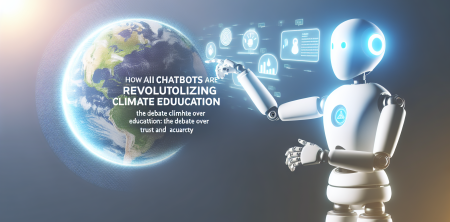
As the world grapples with the escalating impacts of climate change, the incorporation of AI chatbots in education, particularly in teaching climate science, has become a hot-button topic. With institutions like schools and universities adopting AI technologies such as ChatGPT to facilitate learning, a complex dialogue has emerged regarding the accuracy, bias, and reliability of these digital educators.
The Rise of AI Chatbots in Climate Education
The last few years have seen an unprecedented rise in the use of AI technologies across various educational platforms. Chatbots, especially those powered by advanced algorithms like ChatGPT, are now being enlisted to teach students about climate science. This shift signifies a broader trend where artificial intelligence not only assists in administrative tasks but also plays a pivotal role in shaping the content of education.
Proponents laud the accessibility that AI chatbots offer, allowing students to engage with complex scientific concepts at their own pace. Many argue that these digital tools can personalize learning experiences, providing tailored resources and interactive simulations that traditional educational methods may lack. In a world where climate literacy is more crucial than ever, embedding AI chatbots into curricula is seen as a progressive step towards fostering an informed future generation.
The Benefits of Using AI Chatbots in Education
Integrating AI chatbots in education presents several notable benefits:
- Accessibility: AI chatbots can provide information and resources 24/7, breaking down barriers related to time and location. Students can access climate science content whenever they want, making learning more flexible.
- Personalized Learning: Chatbots can adjust the difficulty level of materials based on individual student needs, ensuring that learners receive the appropriate challenge and support.
- Engagement: Interactive, conversational interfaces can engage students more effectively than traditional teaching methods, thereby enhancing motivation and retention of information.
- Scalability: AI can reach a large number of students simultaneously, making it easier to teach complex subjects like climate science to diverse audiences.
The Challenges and Criticisms of AI Chatbots in Education
Despite the promising advantages, the integration of AI chatbots in education, particularly in teaching climate science, is not without its challenges:
- Accuracy and Misinformation: One of the most pressing concerns is the accuracy of the information provided by AI chatbots. Instances of misinformation can undermine the fundamental purpose of climate education, leading to confusion among students.
- Bias: The training data used to develop AI chatbots can inherently contain biases. This can result in skewed representations of climate science and the issues at stake, leading to misinformed students.
- Replacement of Human Expertise: Some educators fear that reliance on AI chatbots could diminish the role of human teachers, reducing opportunities for mentorship and interpersonal interactions critical for learning.
- Ethical Concerns: Implementing AI in classrooms raises questions about ethics—specifically, the implications of allowing machines to teach sensitive topics like climate change, which require a nuanced understanding of human impact.
The Debate Among Educators and Parents
The introduction of AI chatbots in climate education has sparked vigorous debate among educators, parents, and environmental advocates. On one hand, some teachers champion the technology, recognizing its potential to enhance student learning and engagement. On the other hand, skeptics emphasize the need for human oversight and the importance of critical thinking in understanding complex issues like climate change.
Parents have expressed mixed feelings as well. While some appreciate the innovation and accessibility AI chatbots provide, there are concerns about their reliability and the potential for misinformation. Conversations within parenting communities have shifted towards ensuring that children receive a balanced education that combines technological tools with human guidance.
Environmental Hypocrisy of Tech Companies
Interestingly, the timing of this educational shift comes amid growing scrutiny on tech companies regarding their environmental practices. While these companies are positioning themselves as champions of climate education, many are simultaneously being criticized for their contributions to environmental degradation. This irony adds another layer to the ongoing discussions about the role of AI in teaching climate responsibility.
As tech giants promote AI chatbots as tools for climate education, the question arises: can we trust these companies—who are often perceived as part of the problem—to effectively teach solutions to climate change? This skepticism fuels a narrative that resonates deeply within educational forums and environmental groups alike.
The Importance of Comprehensive Climate Education
Climate change is arguably one of the most critical challenges facing humanity. As such, the importance of robust climate education cannot be overstated. Understanding the science behind climate change, its societal impacts, and the measures needed to address it is essential for the next generation. The integration of AI chatbots in education can play a role in this endeavor, but only if implemented thoughtfully.
Striking a Balance: Combining AI and Human Expertise
To make the most of AI chatbots in education, a balanced approach is essential. This involves leveraging the strengths of AI while ensuring that human educators remain integral to the learning experience. Here are some strategies to consider:
- Teacher Collaboration: Educators should work alongside AI systems to curate and monitor the content delivered by chatbots. This collaboration can help mitigate inaccuracies while enhancing the overall educational experience.
- Critical Thinking Skills: Emphasizing critical thinking and media literacy in curricula can empower students to evaluate the information provided by AI chatbots and discern credible sources from misinformation.
- Continuous Feedback: Implementing feedback mechanisms for students regarding their interactions with chatbots can help identify and rectify inaccuracies, ensuring the learning material stays relevant and accurate.
- Ethical Discussions: Incorporating discussions on the ethical implications of using AI in education can foster awareness and understanding among students, preparing them to engage thoughtfully with technology.
The Future of AI Chatbots in Education
As educational institutions continue to explore the potential of AI chatbots in climate education, the future looks promising yet complex. The balance between human expertise and technological advances will be crucial in shaping positive educational outcomes. The ongoing debates surrounding these technologies underscore the need for thorough examination and responsible implementation in classrooms.
Ultimately, AI chatbots hold the potential to revolutionize how we approach climate education, but their effectiveness will depend on our ability to address the associated challenges. By marrying technology with human oversight, we can instill a solid understanding of climate issues in future generations while navigating the complexities of AI in education.
Conclusion
The integration of AI chatbots in education offers remarkable opportunities for enhancing climate science education. However, as we tread this new frontier, it is imperative that we remain vigilant about the implications of this technology. With careful consideration and collaborative efforts between educators, parents, and tech developers, we can redefine the educational landscape to not only inform but also inspire action in the face of climate change.

