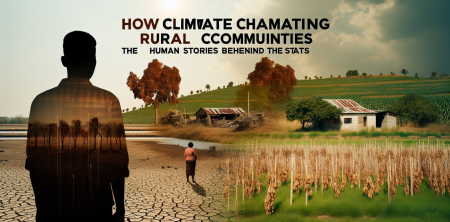
Climate change is no longer a distant threat; it has become an immediate crisis affecting countless lives around the globe. Particularly vulnerable are rural communities, where agricultural livelihoods are directly intertwined with the health of the environment. A recent qualitative study sheds light on the profound impact of climate change on these communities, revealing harrowing narratives of farmers grappling with unprecedented challenges. This article delves into the findings of the study, exploring the dire effects of climate change on rural livelihoods, including crop failures, water scarcity, and socio-economic repercussions.
The Unfolding Crisis: Climate Change and Rural Livelihoods
The devastating impacts of climate change on rural communities cannot be overstated. According to the peer-reviewed study published in Environment, Development and Sustainability, many farmers have witnessed a staggering 30-50% drop in crop yields over the past decade due to extreme weather events. These events, which include severe droughts and sudden floods, disrupt the delicate balance of agriculture, leading to food insecurity and economic instability.
In many regions, traditional farming practices are becoming increasingly untenable as changing weather patterns render once-fertile lands barren. Reports from farmers illustrate a grim picture: fields that once flourished are now parched, and crop cycles that were predictable are now erratic. The emotional toll on these farmers is profound, as they face the heartbreaking reality of watching their livelihoods vanish.
Personal Accounts: The Human Cost of Climate Change
The qualitative study collects deeply personal accounts from farmers across various regions, painting a vivid picture of the human experiences behind the statistics. Take, for instance, the story of Maria, a smallholder farmer in Central America who has cultivated corn for generations. In recent years, Maria has faced a terrifying combination of droughts that have dried up her wells and floods that have washed away her crops. "I don’t know how I will feed my family this year," she says, her voice filled with despair. Stories like Maria's are all too common, highlighting the urgent need for action.
- Droughts: Many rural areas have seen an increase in the frequency and severity of droughts, leading to significant water shortages.
- Floods: Conversely, when rains do arrive, they often come in intense bursts, overwhelming the land and causing severe flooding.
- Crop Failures: With unpredictable weather, farmers struggle to plan their planting and harvesting schedules, resulting in reduced yields.
Water Scarcity: A Growing Concern
Water scarcity emerges as a critical challenge for many rural communities. As temperatures rise and precipitation patterns shift, access to fresh water becomes increasingly limited. The study highlights alarming statistics showing that some areas have experienced a 50% decline in available water resources. This scarcity affects not only agricultural practices but also the overall health and well-being of rural populations.
Farmers in regions like sub-Saharan Africa are particularly impacted. Many depend on consistent rainfall for their crops, and deviations from historical weather patterns can spell disaster. In interviews, rural residents describe long journeys to find water, often returning home empty-handed, which exacerbates the physical strain and adds to the emotional burden of climate change impacts.
Socio-Economic Ripple Effects
The consequences of climate change extend beyond immediate agricultural failures, leading to socio-economic ripple effects that can destabilize entire communities. As crop yields plummet, rural families face increasing poverty levels, and many are forced to abandon their farms in search of better opportunities elsewhere.
This phenomenon has given rise to a new class of individuals often referred to as 'climate refugees.' As communities become less viable due to climate-induced challenges, migration becomes a survival strategy. A significant number of farmers report contemplating or already undertaking migration to urban areas or other countries in hopes of finding sustainable work.
- Increased Migration: Families are relocating to urban areas, creating a new wave of climate refugees.
- Economic Instability: Rural economies suffer as local businesses close and financial resources dwindle.
- Social Disintegration: The migration of young individuals leads to the disintegration of traditional community structures.
The Emotional Toll: Heartbreak and Resilience
The emotional weight of climate change on rural communities is a compelling aspect of the study. Farmers express feelings of hopelessness, fear, and anger as they confront an uncertain future. The stories shared in the study evoke a sense of urgency, highlighting the need for support and intervention to mitigate the impacts of climate change.
Despite the overwhelming challenges, these narratives also showcase remarkable resilience. Communities are coming together to share resources, knowledge, and coping strategies. Initiatives aimed at adaptive farming practices, sustainable resource management, and educational programs are emerging as vital lifelines.
Calls to Action: What Can Be Done?
The qualitative study serves as a sobering reminder of the urgent need for action on climate change. Policymakers, non-profit organizations, and the global community must prioritize support for rural communities facing these existential threats. Here are several actionable recommendations:
- Investment in Sustainable Practices: Funding for sustainable agricultural practices can help mitigate the effects of climate change. Resources should be directed toward educating farmers on adaptable techniques that conserve water and soil.
- Infrastructure Development: Building and maintaining infrastructure that supports water retention and flood management can safeguard rural communities from climate extremes.
- Social Safety Nets: Establishing social safety networks for displaced families can provide essential support and reduce the economic impact of migration.
- Research and Education: Investing in research to understand better the specific needs of rural communities can lead to more targeted interventions.
The Role of Social Media in Raising Awareness
In today’s digital age, social media platforms have become powerful tools for raising awareness about climate change and its impacts on rural communities. Stories of climate refugees and the struggles faced by farmers are gaining traction, drawing attention to the human side of the climate crisis. This social movement has sparked discussions and initiatives aimed at mobilizing support.
Online platforms enable individuals to share their stories, fostering a sense of community and solidarity among those affected. The emotional narratives can evoke empathy and action from a broader audience, ultimately leading to increased advocacy for policy changes that address the root causes of climate change.
The Importance of Collaborative Efforts
Addressing the impacts of climate change on rural communities requires collaborative efforts among governments, non-profits, and the private sector. Joint ventures focused on sustainable development can create opportunities for innovation and growth. By pooling resources and knowledge, stakeholders can develop comprehensive solutions that benefit vulnerable populations.
Conclusion: A Call to Action
The qualitative study underscores the urgent need to recognize and respond to the challenges faced by rural communities as they grapple with the realities of climate change. Through collaboration, investment, and public awareness, society can take significant steps toward mitigating these impacts and supporting those who rely on agriculture for their livelihoods.
As the climate crisis deepens, we must not forget the human stories behind the statistics. The resilience and strength of rural communities stand as a testament to the human spirit, but they also call for urgent action. By standing together, we can forge a path toward a more sustainable and equitable future for all.

