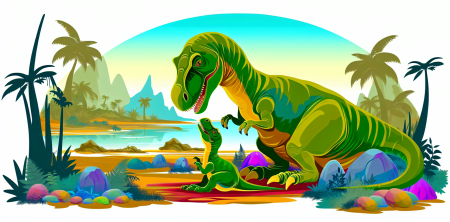
The realm of paleontology is continually evolving, with new discoveries reshaping our understanding of prehistoric life. A recent study conducted by a team of researchers, led by Dr. Liam Chen, has unveiled compelling evidence suggesting that dinosaur parental care may have been far more complex and nurturing than previously imagined. This groundbreaking research, published on May 8, 2026, in the journal Nature, focuses on ancient dental fossils from Mongolia, revealing behaviors reminiscent of modern avian parental care.
The Discovery: A Window into Dinosaur Family Life
Over 70 million years ago, an array of dinosaurs roamed the earth, exhibiting behaviors that scientists have long sought to understand. The latest findings analyzed 50 dental fossils, and the results are nothing short of extraordinary. Approximately 75% of these specimens displayed wear patterns indicative of feeding-related damage, suggesting that adult dinosaurs may have actively fed their young, likely through a process similar to regurgitation.
Connecting the Dots: Dinosaur and Bird Parental Care
This discovery draws intriguing parallels between dinosaur parental care and that of modern birds, which stands in stark contrast to the traditional view of dinosaurs as cold-blooded, indifferent creatures. The evidence indicates that these ancient reptiles exhibited nurturing behaviors that fostered family bonds, highlighting an evolutionary lineage that links them more closely with their avian descendants.
Examining the Fossils: Techniques and Findings
The research team employed advanced imaging techniques and meticulous analysis of the dental fossils. By studying the micro-wear patterns on the teeth, the paleontologists were able to ascertain the feeding habits of these dinosaurs. The damage observed suggests that adult dinosaurs were not only hunting for themselves but were also engaged in caring for their young.
- Advanced Imaging Techniques: The use of high-resolution imaging allowed for a detailed examination of wear patterns.
- Micro-Wear Analysis: This analysis revealed feeding habits and potential parental behaviors.
- Comparative Studies: The research team compared the findings with modern birds, drawing parallels in feeding techniques.
Implications for Paleontology
The implications of this research extend far beyond the realm of dental fossils. The notion of dinosaur parental care challenges long-standing stereotypes about these ancient creatures. It encourages a reevaluation of their behavior and social structures, suggesting that many species may have lived in complex family units, similar to those of modern birds.
Revisiting Dinosaur Behavior Textbooks
As paleontologists begin to absorb the findings, it is evident that many textbooks may require significant updates. The traditional view of dinosaurs as solitary hunters, akin to modern reptiles, is being replaced with a more nuanced understanding of their social structures and nurturing behaviors. By documenting these parental strategies, researchers are rewriting the narrative of dinosaur life.
Public Reaction and Viral Potential
As news of the study spread, reactions surged across social media platforms, with discussions igniting a passionate debate among dinosaur enthusiasts and the general public. Images of "dino-dads" feeding their hatchlings have captivated audiences, leading to viral threads like "T-Rex was a nurturing parent?!" which have seen significant engagement spikes.
Encouraging a New Narrative
The emotional resonance of these findings has inspired many to reconsider their perspectives on dinosaurs. Rather than viewing these creatures merely as fearsome predators, the research promotes a narrative that appreciates their familial and nurturing qualities. This shift could transform how the public interacts with paleontology, prompting a greater appreciation for the complexities of prehistoric life.
Dino-Dads in Modern Culture
As the conversation around dinosaur parental care continues, it becomes evident that the cultural implications are vast. The idea of nurturing dino-dads can resonate with contemporary audiences, especially as discussions about parenting and family dynamics evolve in society. The portrayal of dinosaurs may become increasingly influenced by this new understanding, potentially leading to changes in films, literature, and educational content.
Media Impact and Future Research
The media's enthusiastic response to the findings has the potential to drive further research in the field. Encouraged by the public's interest, scientists may explore additional fossil sites and conduct more in-depth analyses of other dinosaur species, seeking to uncover the extent of parental care across different lineages.
Conclusion: A New Era of Understanding
This remarkable study not only sheds light on the intricacies of dinosaur parental care but also highlights a growing trend in paleontology: the appreciation for behavioral complexities in ancient life forms. As more evidence emerges, it becomes increasingly clear that dinosaurs were not just cold-blooded beasts but rather sophisticated creatures with rich social lives. The link between dinosaurs and their avian descendants is becoming more pronounced, and as we continue to unearth new information, our understanding of these magnificent beings will undoubtedly evolve.
In the world of paleontology, the discoveries regarding dinosaur parental care signal a pivotal shift in the narrative. It invites us to reevaluate our understanding of the past, fostering a deeper connection with the life forms that once roamed our planet.

