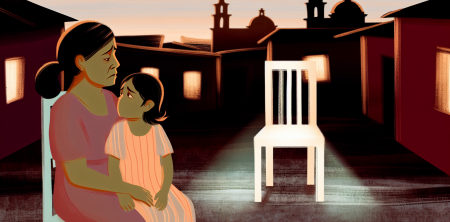
The issue of parenting and trauma has taken on new urgency with the publication of a study in Frontiers in Sociology, revealing the extensive emotional toll faced by families of the 'desaparecidos'—those who disappeared during times of political unrest in Mexico. Published on May 10, 2026, this research highlights how unresolved grief and fear permeate the parenting practices of families affected by enforced disappearances, affecting not only the direct victims but also their children.
The Scope of the Crisis
According to the study, over 100,000 families in Mexico are grappling with the consequences of enforced disappearances, a situation that has left a deep mark on their emotional and psychological well-being. Through interviews with more than 200 individuals, researchers uncovered a chilling reality: around 65% of indirect victims reported experiencing chronic anxiety, which they often inadvertently pass down to their children. This generational transmission of trauma poses alarming questions about how families can break this cycle and create healthier environments for future generations.
Understanding Indirect Victims
Indirect victims are those who, while not the direct targets of violence, suffer profoundly from its consequences. In many cases, these are parents who lived through the horror of losing a loved one to enforced disappearance. The emotional fallout of such losses can manifest in various ways, including anxiety, depression, and a pervasive fear that affects parenting styles. As a result, children in these families grow up surrounded by a climate of fear, often feeling the weight of their parents’ unresolved grief.
Emotional Consequences for Parenting
The implications of parenting and trauma are stark in this context. Parents dealing with their grief and anxiety may struggle to provide the emotional support their children need. Often, they may find themselves overprotective, fostering an environment of constant vigilance rather than one of exploration and growth. This behavior may stem from a desire to shield their children from potential dangers—an instinct that, while well-intentioned, can limit the child's ability to engage with the world independently.
- Chronic Anxiety: Parents report high levels of anxiety, which can be felt by children.
- Overprotectiveness: Fear of loss restricts children's independence.
- Emotional Distance: Parents may become emotionally unavailable due to their own trauma.
Trauma Inheritance and Resilience
A particularly troubling aspect of this dynamic is the concept of trauma inheritance, where children not only inherit the emotional scars of their parents but may also experience heightened levels of anxiety and fear as a result. The study's findings have ignited discussions on social media platforms like Twitter and Reddit, especially among parenting communities, highlighting the urgent need for awareness and resources surrounding parenting and trauma.
Counterintuitively, amid the despair, the research also points to instances of resilience among these families. Many parents engage in resilience-building strategies to cope with their emotional burden, seeking therapeutic interventions and community support to foster healthier family dynamics. These efforts can help mitigate the impacts of trauma inheritance, creating a more stable and nurturing environment.
Global Conversations on Migrant Parenting
The emotional stories shared by families in the study have sparked global debates on migrant parenting, particularly among those affected by violence and political unrest. As more individuals express their experiences, there is a growing recognition of the need for supportive measures that address the unique struggles faced by families dealing with intergenerational trauma.
Experts stress that understanding the complexities of parenting and trauma is crucial, not only for the families directly affected but also for policymakers and community leaders. Initiatives designed to support these families—through mental health services, community engagement, and educational programs—could play a vital role in breaking the cycle of trauma.
Moving Forward: Strategies for Healing
Families grappling with the repercussions of enforced disappearances can benefit from several supportive strategies:
- Therapeutic Support: Access to mental health professionals who understand trauma can help families process their grief.
- Community Programs: Engaging with support groups can provide a sense of belonging and shared experience.
- Education on Trauma: Teaching parents about the impacts of trauma can empower them to change their parenting approaches.
- Open Dialogues: Encouraging conversations about feelings and experiences can help alleviate the burden of silence.
As the narratives of families affected by the desparecidos gain traction in discussions around parenting and trauma, the importance of addressing these emotional legacies becomes ever more clear. By shedding light on these issues, society can better support families in their journey toward healing and resilience.

