```html
Understanding the dynamics of play in early childhood is crucial for parents, educators, and child development professionals. One of the most fascinating transitions in the social development of children is the journey from parallel play to cooperative play, and at the heart of this evolution lies the concept of reciprocal play. This article explores the intricacies of how children develop reciprocity in play, the stages involved, and the significance of these interactions for their social and emotional growth.
Defining Play: More Than Just Fun
Play is an essential aspect of childhood, serving as a vehicle for learning and development. It helps children explore their environment, develop cognitive skills, and enhance social interactions. According to the American Academy of Pediatrics, play is crucial for fostering creativity, problem-solving abilities, and emotional resilience. However, play is not homogenous; it evolves as children grow, transitioning through various stages.
The Stages of Play Development
Developmental psychologist Mildred Parten identified five stages of play, which provide a framework for understanding how children interact with each other. These stages are:
- Solitary Play: This is when children play alone, focusing on their activities without direct interaction with others.
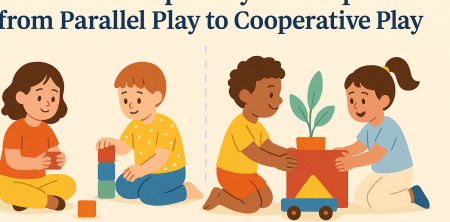
- Parallel Play: In this stage, children play alongside one another, often using similar toys or materials but without direct interaction.
- Associative Play: Here, children begin to interact with one another, sharing toys and engaging in similar activities, though they don’t work towards a common goal.
- Cooperative Play: This stage involves children working together towards a shared objective, demonstrating more complex social interactions.
- Onlooker Play: This occurs when children observe others at play without participating themselves.
Understanding these stages helps in recognizing how reciprocal play is not just about direct interaction but also involves observing and learning from peers.
The Role of Parallel Play
Parallel play typically emerges around the ages of 2 to 3 years and serves as a critical foundation for subsequent social interactions. During this stage, children may be engaged in similar activities, but they do so independently. For example, two toddlers may sit next to each other, each building their own tower of blocks. While they don’t interact directly, their presence can be comforting and provides a sense of social awareness.
One of the pivotal aspects of parallel play is that it allows children to develop important skills such as:
- Social Awareness: Even without direct interaction, children become aware of others' actions and emotions.
- Imitation: Kids often mimic each other’s behaviors, leading to the development of new skills and ideas.
- Independence: They learn to enjoy and take pride in their creations, laying the groundwork for future collaborative efforts.
While parallel play may seem solitary, it is anything but. It sets the stage for children to transition into more interactive forms of play, with the seeds of reciprocal play planted in these early experiences.
Transitioning to Associative Play
As children grow, they begin to engage in associative play, typically around ages 3 to 4. This stage marks a shift from working independently to interacting with peers, albeit without a structured goal. During associative play, children start to communicate, share resources, and engage in storytelling, which leads to the development of essential social skills.
In this context, reciprocal play begins to take form. For instance, if two children are playing with toy cars, one might say, “Let’s race!” This invites interaction and lays the groundwork for collaborative play. Here are some key points on how associative play fosters reciprocity:
- Increased Communication: As children interact more, they start to express their needs and desires, which is crucial for developing empathy.
- Conflict Resolution: With increased interaction comes the inevitable conflicts. Children learn to negotiate, share, and compromise, crucial components of reciprocal play.
- Building Relationships: Associative play strengthens bonds between peers, making it easier for them to engage in cooperative play later on.
In essence, associative play serves as a bridge, providing children with the experience and confidence necessary for the next stage of development.
The Emergence of Cooperative Play
By the time children reach ages 4 to 5, they often begin to engage in cooperative play. This stage involves working collaboratively towards a common goal, which requires higher levels of social understanding and emotional intelligence. Cooperative play isn't just about sharing toys; it's about sharing ideas, responsibilities, and roles.
During cooperative play, children engage in more complex scenarios, such as playing house, building a fort, or organizing a treasure hunt. These activities rely heavily on reciprocal play, where children must rely on each other’s input to succeed. Key elements that characterize cooperative play include: (See: reciprocal play in child development.)
- Role Assignment: Children take on different roles within a play scenario, which fosters negotiation and discussion.
- Goal-Directed Activity: The focus is on achieving a shared outcome, which enhances teamwork and collaboration.
- Emotional Support: As children work together, they develop empathy and learn to support one another through successes and failures.
Through cooperative play, children not only learn how to interact with others but also how to build and maintain relationships, which is essential for their emotional and social development.
The Importance of Adults in Fostering Play
While the evolution from parallel to cooperative play is a natural progression, adults play a crucial role in facilitating this journey. Parents, caregivers, and educators can enhance the development of reciprocal play by:
- Creating Opportunities: Provide children with settings and materials that encourage group play. Open-ended toys, like blocks or art supplies, can inspire creativity and collaboration.
- Modeling Social Skills: Adults can model effective communication and problem-solving strategies, helping children learn these skills in real-time.
- Encouraging Interaction: Prompt children to engage with their peers. Simple questions like, “What game do you want to play together?” can initiate cooperative play.
By actively fostering opportunities for play and modeling positive interactions, adults can help children navigate the complexities of social relationships, ultimately leading to more successful reciprocal play.
The Impact of Play on Child Development
The benefits of play extend well beyond immediate enjoyment. Engaging in various forms of play, particularly reciprocal play, significantly impacts children's overall development. Research has demonstrated that play enhances cognitive skills, language acquisition, and social-emotional development.
Cognitive development is often stimulated during play when children engage in problem-solving, critical thinking, and creativity. For instance, building a structure with blocks encourages planning and spatial awareness. Furthermore, language skills are honed as children communicate their ideas and negotiate roles during cooperative play.
Social-emotional growth also flourishes in play settings. Children learn to express their emotions, develop empathy, and understand social norms through interacting with peers. This foundation is crucial for their future relationships and success in school and beyond.
Challenges and Considerations
While the transition from parallel play to cooperative play is generally a positive development, there can be challenges. For instance, some children may struggle with social interactions due to shyness, anxiety, or developmental differences. Others might find it difficult to share or cooperate, especially if they’re used to solitary play.
To help children overcome these challenges, it’s vital to create a supportive environment that encourages gradual exposure to social situations. Strategies include: There's a fuller look at The Terrible Twos.
- Small Group Play: Starting with smaller groups can help children feel more comfortable and less overwhelmed.
- Structured Play Activities: Guided activities can provide a framework for interaction, making it easier for children to engage.
- Positive Reinforcement: Celebrating successes in play, no matter how small, can build confidence and encourage further interaction.
With patience and support, children can develop the skills necessary for reciprocal play and enhance their social experiences.
Current Relevance: Play in the Digital Age
In an era dominated by technology and digital play, the importance of fostering traditional play methods cannot be overstated. While screen time can provide entertainment, it often lacks the interpersonal dynamics that come with physical play. Research has shown that excessive screen time can hinder the development of social skills, making it crucial for caregivers to balance digital interactions with traditional play.
Encouraging children to engage in physical play with peers not only supports the development of reciprocal play but also promotes physical health and well-being. As parents and educators, it’s essential to create an environment where play can flourish, whether through structured playdates, outdoor activities, or creative group projects.
The Neuroscience Behind Play
Recent research in neuroscience highlights the profound impact of play on brain development. Play stimulates neural pathways, enhances cognitive functioning, and fosters emotional growth. The act of playing releases neurotransmitters like dopamine, which can improve mood and motivation. When children engage in reciprocal play, they are not only honing social skills but also wiring their brains for more complex interactions later in life.
Studies have shown that children who engage regularly in play are better at regulating emotions and managing stress. They exhibit improved attention spans and problem-solving skills. The benefits extend to academic performance as well. For instance, a study published in the journal "Child Development" found that children who participated in more interactive play experiences demonstrated stronger literacy skills than their peers who engaged in less interactive play.
Expert Perspectives on Reciprocal Play
Experts in child development emphasize the importance of reciprocal play in nurturing social competence. Dr. Laura Jana, a pediatrician and child health expert, states, “Children learn best through experiences that allow them to practice social skills in real-life contexts. Reciprocal play provides the ideal framework for this learning.”
Furthermore, Dr. Stuart Brown, founder of the National Institute for Play, notes that play is a “biological drive” for humans. He argues that play is not merely a pastime but a fundamental component of our development. “When children play together, they’re building the foundations of empathy, negotiation, and conflict resolution skills,” he explains.
These expert insights underscore the need for parents and educators to prioritize play as a vital component of childhood development, particularly focusing on fostering reciprocal play.
Strategies for Fostering Reciprocal Play
To promote reciprocal play in various settings, here are several strategies that parents and educators can implement:
- Encourage Group Games: Introduce games that require collaboration, such as team sports or group art projects. These activities will naturally foster opportunities for children to engage in reciprocal play.
- Provide Diverse Materials: Equip play areas with a variety of materials that can be shared and used in different ways. Items like building blocks, crafts, and role-playing scenarios can stimulate cooperative interactions.
- Facilitate Playdates: Organizing regular playdates can help children get used to interacting with peers. Monitor these interactions to ensure that each child has an opportunity to express themselves and engage in mutual activities.
- Practice Turn-Taking: Games that emphasize turn-taking and sharing can help children understand the dynamics of reciprocal play. Card games or board games are great examples.
These strategies can help cultivate a rich environment where reciprocal play is supported and encouraged.
FAQ on Reciprocal Play
What is reciprocal play?
Reciprocal play refers to interactions in which children engage in shared activities, taking turns, and responding to each other's actions. This type of play helps build social skills and emotional understanding.
At what age does reciprocal play typically begin?
Reciprocal play typically begins to emerge during associative play, around ages 3 to 4, as children start to communicate and interact more with their peers.
How can I facilitate reciprocal play at home?
You can facilitate reciprocal play by creating opportunities for group activities, providing diverse play materials, and encouraging role-play scenarios where children must collaborate.
What are the benefits of reciprocal play?
Reciprocal play promotes social skills, emotional intelligence, communication abilities, and empathy. It also helps children learn conflict resolution and negotiation skills.
How does digital play affect reciprocal play?
While digital play can offer certain cognitive benefits, it often lacks the interpersonal dynamics found in physical play. Balancing screen time with real-life interactions is crucial for developing reciprocal play skills.
What should I do if my child struggles with reciprocal play?
If your child struggles with reciprocal play, start by providing a supportive environment with smaller groups and structured activities. Use positive reinforcement to encourage participation and gradually introduce more complex interactive scenarios.
The Long-Term Benefits of Reciprocal Play
Engaging in reciprocal play during early childhood has long-lasting effects that extend into later stages of life. Children who practice these skills tend to have better mental health and stronger interpersonal relationships as they grow older. Studies indicate that children who frequently engage in cooperative play are more likely to develop leadership skills, as they learn to navigate group dynamics and influence their peers positively.
Moreover, the skills gained through reciprocal play can translate into academic success. Children who are adept at collaborating and communicating with peers often excel in group work settings, leading to better outcomes across various subjects. For instance, a study indicated that students who engaged in group-based learning activities showed higher retention of information compared to those who worked in isolation.
Community and Reciprocal Play
Encouraging reciprocal play can extend beyond the household and school environments; community involvement is equally significant. Community centers, parks, and organized sports leagues provide numerous opportunities for children to practice their social skills. Local events such as fairs, festivals, and team sports can serve as great platforms for children to interact and develop friendships outside of structured environments.
Parents and caregivers can actively participate by volunteering for community activities that promote play. This involvement not only enhances the play experiences for children but also strengthens community ties, fostering a supportive network that values child development through social interactions.
Building a Play-Friendly Environment
Creating a conducive environment for reciprocal play involves more than just providing toys. It requires a thoughtful approach to space and interaction. Here are some tips to build a play-friendly environment:
- Flexible Spaces: Design spaces that can be easily adapted for various play activities, allowing children to engage in both structured and unstructured play.
- Inclusive Play Areas: Ensure that play areas are accessible to all children, including those with disabilities, to promote inclusivity and diversity in play.
- Interactive Displays: Create displays that encourage exploration and interaction, such as sensory boards or collaborative art projects.
When children feel comfortable in their play environments, they are more likely to engage in reciprocal play, leading to enriched social experiences.
How to Measure the Impact of Reciprocal Play
Measuring the impact of reciprocal play can be challenging, but observing changes in children's behaviors can provide insights into their development. Some indicators to watch for include:
- Increased Engagement: Notice if children are more willing to join group activities and initiate interactions with peers.
- Improved Communication Skills: Pay attention to the language children use, including their ability to express needs, negotiate, and resolve conflicts.
- Emotional Responses: Observe how children respond to social situations, including their ability to empathize and support peers during play.
Regularly assessing these indicators can help caregivers and educators make informed decisions about how to further foster reciprocal play and support children's social development.
Conclusion: The Path to Social Mastery
The journey from parallel play to cooperative play is a vital aspect of child development. Understanding how reciprocal play evolves and its significance can empower adults to foster positive social environments for children. As we nurture their play experiences, we contribute to their growth into empathetic, cooperative, and socially adept individuals. The mission to cultivate these skills is not just about play but about preparing them for the complexities of life ahead.
```
Trending Now
Frequently Asked Questions
What is parallel play in child development?
Parallel play is a stage in child development where children play alongside each other, using similar toys or materials, but without direct interaction. This stage typically occurs in toddlers and is essential for laying the groundwork for future social interactions.
How does cooperative play differ from parallel play?
Cooperative play differs from parallel play in that it involves children working together towards a shared goal. While parallel play is more about playing side by side without interaction, cooperative play requires communication, collaboration, and more complex social skills.
What are the stages of play development in children?
The stages of play development identified by Mildred Parten include solitary play, parallel play, associative play, cooperative play, and onlooker play. Each stage represents a progression in how children interact socially and develop relationships through play.
Why is reciprocal play important for children?
Reciprocal play is crucial for children's social and emotional development as it fosters sharing, cooperation, and negotiation skills. These interactions help children build friendships, learn empathy, and develop problem-solving abilities essential for their growth.
What role does play have in a child's emotional development?
Play serves as a vital vehicle for emotional development in children. It helps them express feelings, develop resilience, and learn to navigate social situations, ultimately enhancing their cognitive and emotional skills as they grow.
What's your take on this? Share your thoughts in the comments below — we read every one.

