```html
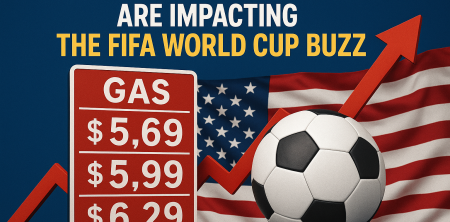
As the world gears up for one of the most anticipated events in sports, the FIFA World Cup, another pressing issue is capturing attention across the United States: rising gas prices. This combination of rising fuel costs and the excitement surrounding the football tournament creates a unique intersection of economic and social dynamics that significantly affects daily life for many Americans. In this article, we’ll explore the implications of US gas prices in relation to the FIFA World Cup, the reasons behind the price hikes, and how these elements are intertwined in today's news cycle.
1. The Current State of US Gas Prices
As of this week, gasoline prices have been on an upward trajectory, with the national average reaching around $3.85 per gallon. This increase has been attributed to several factors, including rising crude oil prices and supply chain disruptions. The Energy Information Administration (EIA) reports that crude oil prices have surged due to ongoing geopolitical tensions and production cuts by major oil-producing countries.
This spike in gas prices comes at a time when many Americans are preparing for holiday travel and are looking forward to the FIFA World Cup, which kicks off in Qatar. The dual challenge of managing household budgets amidst rising fuel costs while also wanting to partake in the excitement of the tournament creates a significant pressure point for consumers.
2. Why Gas Prices Are So Volatile
The volatility in US gas prices can be attributed to several interconnected factors. Firstly, crude oil prices are often influenced by global events, including political instability in oil-rich regions, natural disasters affecting production, and OPEC decisions on production levels. For instance, recent announcements from OPEC+ regarding production cuts have led to fears of reduced supply, pushing prices higher.
Furthermore, seasonal demand fluctuations also play a crucial role. With the holiday season approaching and families planning road trips to watch World Cup matches or visit relatives, demand for gasoline typically rises. This seasonal uptick, combined with supply constraints, triggers price increases that affect consumers nationwide.
3. The FIFA World Cup: A Global Phenomenon
The FIFA World Cup is not just a significant sporting event; it is a cultural phenomenon that unites millions of fans worldwide. Scheduled to run from November 20 to December 18, 2022, this year’s tournament in Qatar marks the first time the event will be held in the Middle East. With 32 teams competing for the coveted trophy, the excitement is palpable, especially in countries like the US, where soccer has steadily gained popularity.
The World Cup brings together not just athletes, but also families and friends who gather to watch games, often resulting in increased travel and hospitality consumption. As a result, the tournament greatly influences local economies, making it crucial for businesses and consumers to adapt to the changes brought on by both the event and the rising gas prices.
4. Impact on Travel Plans
As gas prices climb, many Americans are re-evaluating their travel plans for the World Cup. Families may opt for carpooling, public transportation, or even staycations rather than driving long distances to watch their favorite teams. Travel agencies report a surge in inquiries about budget-friendly travel options, reflecting a growing awareness of how the economic climate impacts leisure choices.
Additionally, local businesses that thrive on the influx of tourists during major sporting events may feel the pinch. Restaurants, hotels, and entertainment venues are bracing for a potential decrease in foot traffic as families tighten their budgets in response to higher fuel costs. This means that while sports fans are excited to support their teams, economic realities are forcing them to get creative in how they engage with the tournament.
5. The Social Media Effect
Social media platforms have become critical in amplifying the excitement around the FIFA World Cup. As fans share their experiences, opinions, and predictions online, the discussions often touch on broader topics, including the impact of US gas prices on their enjoyment of the event. Posts about rising fuel costs can lead to conversations about travel, planning, and even political discourse regarding energy policies.
Moreover, the dynamic of second-screen engagement—where fans watch games while simultaneously scrolling through their social media feeds—creates an opportunity for brands and businesses to engage with audiences by addressing the economic context surrounding the tournament. This engagement can manifest in creative advertising, promotions, and partnerships aimed at making the event more accessible despite rising costs. (See: current state of US gas prices.)
6. Consumer Sentiment and Economic Outlook
Consumer sentiment regarding both gas prices and the FIFA World Cup is closely monitored by economists and analysts. The rising cost of fuel is often seen as a barometer of consumer confidence. When gas prices increase, consumers may feel less secure about their financial situation, which can lead to reduced spending in other areas.
According to a recent survey conducted by the American Automobile Association (AAA), 67% of respondents indicated that rising gas prices would significantly impact their decision to travel for the World Cup. This sentiment reflects a broader trend where consumers are becoming more budget-conscious, demonstrating how intertwined economic factors and social events can shape behavior.
7. Forecasting Future Trends
As we look ahead, several experts are predicting that US gas prices may continue to fluctuate through the end of the year. Factors such as international relations, climate initiatives, and seasonal demand will play critical roles in determining price trends. Additionally, the ongoing effects of the COVID-19 pandemic on supply chains may also contribute to future instability.
For the FIFA World Cup, the economic implications are profound. Expectations are high for viewership numbers, and while the excitement may drive digital engagement, the economic backdrop of rising fuel prices may dampen in-person attendance and travel plans. Businesses that adapt to these conditions with innovative solutions may find opportunities amidst the challenges.
8. Conclusion: The Intersection of Economics and Sports
The convergence of US gas prices and the FIFA World Cup encapsulates a larger narrative about how economic conditions impact cultural and sporting events. As fans prepare to rally behind their teams, they are also confronted with the realities of household budgets and rising costs. This juxtaposition creates a complex environment for consumers, businesses, and policymakers alike.
Ultimately, how Americans manage these dynamics may set the tone not only for their enjoyment of the World Cup but also for their broader approach to economic challenges in the coming months. Finding balance between celebrating sporting achievements and maintaining financial health is essential for navigating this period.
9. Final Thoughts: What Lies Ahead
The upcoming FIFA World Cup promises to be an exhilarating time for sports enthusiasts. Still, it’s prudent for fans to remain aware of external factors like US gas prices which can alter their plans. It’s not just about the games but how the wider world influences the experiences we cherish. With careful planning and awareness, fans can ensure that they enjoy the tournament while keeping their budgets intact. As we anticipate the matches, let’s also keep an eye on how economic realities shape our engagement with this celebrated event.
10. Understanding the Economic Impact of the FIFA World Cup
The FIFA World Cup, being one of the most-watched sporting events globally, has a considerable economic impact not just in the host nation but also in participating countries. The influx of tourism, media attention, and global fan engagement creates a diverse economic landscape. For example, research from the International Monetary Fund (IMF) suggests that countries hosting the World Cup often experience a temporary boost in GDP from increased spending in various sectors.
In the United States, the broader implications of this event are layered. Increased travel for fans can lead to higher demand for services, ranging from hotels to restaurants. However, if gas prices remain high, this could suppress the anticipated economic benefits. A detailed analysis of past World Cups shows that host countries often see a spike in short-term employment, but this can be counteracted by rising living costs, including fuel prices.
11. Comparing Past World Cups and Gas Price Trends
Looking back at previous tournaments, one can see how gas prices affected fan engagement and travel. For instance, during the 2014 World Cup in Brazil, gas prices soared due to political instability in Venezuela, which affected global oil prices. Many fans chose to stay home or watch games at local venues rather than travel long distances. Similarly, in the 2018 World Cup in Russia, fluctuating prices had a direct impact on how fans planned their travel and festivities.
In the context of the 2022 World Cup, analysts are closely monitoring how current gas prices in the US influence viewer habits. An increase in digital streaming as opposed to attending live events could be a direct response to economic pressures. The trend indicates that fans are becoming more strategic about their engagement with sports, driven heavily by their financial situations.
12. Expert Perspectives on Gas Prices and Economic Behaviors
Economists have begun to study the correlations between gas prices and consumer behavior in relation to major sporting events. Dr. Emily Carter, an economist at the University of California, notes, “When gas prices increase, we often see a shift in consumer habits—not just in travel, but in spending on discretionary items, which includes entertainment related to events like the World Cup.” (See: impact of rising fuel costs.)
Her research indicates that high gas prices could lead to a more local and community-focused viewing of the tournament, as families may prefer to gather at each other’s homes rather than travel to public viewing areas or stadiums. This shift places a spotlight on local businesses that cater to these gatherings, such as grocery stores and home entertainment services.
13. FAQs about US Gas Prices and the FIFA World Cup
Q1: How do gas prices affect attendance at the FIFA World Cup?
A1: Higher gas prices can discourage travel, leading fans to consider alternatives like watching games at home or local venues instead of making long trips.
Q2: What should fans consider regarding travel plans during the World Cup?
A2: Fans should evaluate their budgets, consider carpooling or using public transport, and stay updated on fuel prices when planning their travel.
Q3: Are there any economic benefits to hosting the FIFA World Cup?
A3: Yes, hosting the World Cup can boost a country’s economy through increased tourism, hospitality, and related industries, although rising living costs can offset these benefits.
Q4: How do gas prices fluctuate seasonally during the World Cup months?
A4: Gas prices typically rise during the summer months due to increased travel demand. The World Cup coinciding with this period can amplify these effects as more fans travel.
Q5: What is the predicted trend for gas prices during the FIFA World Cup?
A5: While predictions are challenging, factors such as geopolitical events, seasonal demand, and overall economic conditions will heavily influence gas prices as the tournament approaches.
Q6: How are local businesses preparing for potential changes in consumer behavior?
A6: Many local businesses are adjusting their strategies by creating promotions and packages that cater to fans who may stay local due to high gas prices, emphasizing community engagement activities.
Q7: Can high gas prices impact World Cup viewership?
A7: Absolutely, high gas prices may lead to a decrease in physical attendance but could increase digital viewership as fans opt for streaming services to watch games from home.
Q8: What role does social media play during the World Cup in relation to gas prices?
A8: Social media serves as a platform for fans to share experiences and insights about their travel plans, often discussing how gas prices affect their enjoyment and attendance at World Cup events.
14. The Broader Economic Context of Gas Prices
Understanding gas prices in the context of the FIFA World Cup also requires looking at the broader economic landscape. Inflation rates, unemployment levels, and consumer confidence all play a part in how people react to rising fuel costs. For example, during periods of high inflation, consumers typically have less disposable income, making them even more sensitive to increases in gas prices. (See: reasons behind rising gas prices.)
According to the Bureau of Economic Analysis, a significant rise in gas prices can lead to a decline in consumer spending in other areas. This means reduced spending on entertainment, dining out, and travel, which are all vital to the economy, particularly during significant events like the World Cup. With many families trying to balance their love of soccer with their financial reality, this could lead to an overall dampened festive atmosphere during the tournament.
15. Local Government Responses to Rising Gas Prices
Local governments are also feeling the pressure from rising gas prices, as these costs can impact public transportation budgets and infrastructure projects. In anticipation of increased travel during the World Cup, some municipalities have started to explore ways to alleviate the burden on consumers. This includes proposals for temporary gas tax breaks or subsidies to help offset the rising costs.
Additionally, cities are promoting public transport as an alternative to driving. During the World Cup, many local transit systems may offer discounts or special services for fans traveling to watch games, showing a proactive approach to encouraging community engagement while addressing economic concerns. This initiative not only helps fans save money but can also reduce traffic congestion, making it a win-win situation for city planners and residents alike.
16. The Influence of Fuel Alternatives on Consumer Choices
With rising gas prices, more consumers are turning their attention toward fuel alternatives. Electric vehicles (EVs) and hybrid models are gaining popularity as consumers look for ways to reduce their fuel expenses. According to a report from the International Energy Agency, the global EV market is expanding rapidly, with sales expected to rise dramatically over the next few years.
This shift toward greener transportation could influence how fans engage with the World Cup. Those who own electric vehicles may feel less impacted by rising fuel costs and might be more willing to travel longer distances to enjoy the matches. Additionally, the increased infrastructure for EV charging stations is likely to make it easier for fans to attend games without the worry of fluctuating gas prices, further changing the landscape of fan engagement during the tournament.
17. Final Takeaways: Navigating the Intersection of Sports and Economics
The interplay between US gas prices and the FIFA World Cup highlights the broader economic realities that fans must navigate. As excitement builds for the tournament, awareness of external factors like fuel prices will play a significant role in shaping how individuals and families participate in the event. The strategies that fans employ, from local gatherings to digital streaming, will reflect their financial priorities amid rising costs.
As we prepare for one of the largest global sporting events, there’s an opportunity for communities and businesses to engage creatively with consumers. Enthusiasm for the beautiful game can coexist with prudent budgeting, and understanding this balance will be key for both fans and the economy as we move forward into this exciting season of soccer.
```
Trending Now
Frequently Asked Questions
Why are US gas prices rising?
US gas prices are rising due to several factors, including increasing crude oil prices, supply chain disruptions, and geopolitical tensions. Recent production cuts by major oil-producing countries have also contributed to the upward trend, impacting consumers as they prepare for events like the FIFA World Cup.
How do gas prices affect consumer behavior?
Rising gas prices significantly impact consumer behavior by straining household budgets. As fuel costs increase, many Americans may reconsider travel plans, especially during the holiday season and major events like the FIFA World Cup, leading to a shift in spending priorities.
What is the current average gas price in the US?
As of this week, the national average gas price in the US is approximately $3.85 per gallon. This figure reflects ongoing volatility in the market, influenced by crude oil prices and various economic factors.
What factors contribute to gas price volatility?
Gas price volatility is influenced by multiple factors, including global political events, natural disasters affecting oil production, OPEC production decisions, and seasonal demand fluctuations. These elements create a dynamic pricing environment that can change rapidly.
How are gas prices related to the FIFA World Cup?
Gas prices are related to the FIFA World Cup as rising fuel costs can affect consumer spending and travel plans during the tournament. The excitement surrounding the event coincides with financial pressures from increased gas prices, creating a unique economic dynamic.
What's your take on this? Share your thoughts in the comments below — we read every one.

