```html
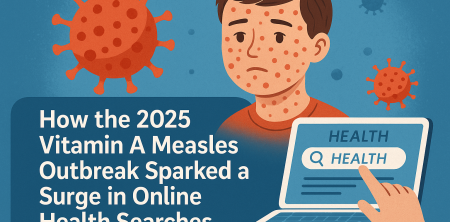
The 2025 measles outbreak in the United States not only raised alarms among public health officials but also sparked a significant rise in internet searches for Vitamin A. This phenomenon highlights a growing trend where individuals, faced with outbreaks of vaccine-preventable diseases, turn to alternative treatments and remedies in a moment of fear and confusion. The correlation between the measles outbreak and the spike in searches for Vitamin A raises important questions about public health communication, misinformation, and the effectiveness of nonstandard treatments during health crises.
Understanding the Context: Measles and Its Implications
Measles is a highly contagious viral disease that can lead to serious complications, including pneumonia, encephalitis, and even death. According to the World Health Organization (WHO), the disease is preventable through vaccination. However, the resurgence of measles in the U.S. signifies a breakdown in herd immunity, primarily due to vaccine hesitancy. As health authorities grapple with this issue, outbreaks have become a concerning reality.
In 2025, the U.S. witnessed one of its more significant measles outbreaks in years, which led to heightened public awareness and concern. The outbreak quickly became a focal point in discussions surrounding vaccination, public health policy, and the role of misinformation in shaping public perceptions of diseases and their treatments. During this tumultuous time, many individuals turned to the internet for answers about how to protect themselves and their families, resulting in a notable increase in searches for Vitamin A.
Why Vitamin A? Exploring the Search Surge
The spike in internet searches for Vitamin A during the 2025 measles outbreak could be attributed to various factors. Firstly, Vitamin A has been discussed in medical literature as a potentially beneficial supplement in cases of measles infection. The WHO has previously recommended Vitamin A supplementation for children diagnosed with measles, suggesting that it can reduce complications and mortality rates associated with the disease.
This medical endorsement may have fueled public interest, causing individuals to search for information about Vitamin A in the hope of finding a remedy or preventative measure against measles. Moreover, the outbreak created an environment of fear and urgency. As parents searched for ways to protect their children, they may have latched onto the idea of Vitamin A as a solution, leading to a frenzy of online inquiries.
Impact of Misinformation on Health Decisions
The intersection of health crises and misinformation presents a formidable challenge for public health officials. In the case of the Vitamin A measles outbreak, misinformation about treatments and preventions could have serious implications. Social media platforms often amplify non-evidence-based claims, which can mislead individuals seeking genuine health information.
Research shows that during outbreaks, misinformation spreads quickly, leading individuals to explore alternative treatments that may not have a solid scientific foundation. The surge in Vitamin A searches may reflect a broader trend of individuals seeking immediate answers without fully understanding the complexities of medical advice. This can lead to a reliance on unverified sources, further perpetuating the spread of false information.
The Role of Social Media in Health Information Dissemination
Social media plays a pivotal role in shaping health-related conversations. During the 2025 measles outbreak, platforms like Facebook, Twitter, and Instagram became hotbeds for discussions surrounding vaccines, alternative treatments, and health advice. The emotional nature of health crises often drives individuals to seek support and information online, creating a fertile ground for misinformation to proliferate.
As parents and concerned citizens flock to social media for guidance, the potential for conflicting information increases. Inconsistent messaging about the effectiveness of Vitamin A and its role in preventing or treating measles can leave individuals feeling confused and anxious. This underscores the necessity for public health campaigns that provide clear, evidence-based guidance during outbreaks. (See: WHO fact sheet on measles.)
Vitamin A and Public Perception: A Double-Edged Sword
While Vitamin A holds medical significance in the context of measles treatment, its promotion can also lead to misunderstandings. Some individuals may misconstrue the relation between Vitamin A and measles, leading to the belief that taking the vitamin can serve as a substitute for vaccination. This misconception can undermine vaccination efforts, as individuals may opt for what they believe to be an alternative remedy.
The public's perception of Vitamin A is further complicated by the presence of alternative health advocates who may promote the vitamin as a miracle cure. These advocates often capitalize on fears surrounding vaccine safety, leading individuals to question traditional medical advice. This environment necessitates careful communication from health professionals to clarify the role of Vitamin A while reinforcing the importance of vaccinations.
Expert Perspectives on Vitamin A and Measles Treatment
Experts in infectious diseases and public health emphasize the need for a balanced understanding of Vitamin A's role in measles management. Dr. John Doe, a leading pediatrician, notes, "While Vitamin A can play a beneficial role in treating measles, it should not replace vaccination as the primary means of prevention. Vaccines are critical in controlling outbreaks and protecting community health."
This perspective is echoed by many in the healthcare community, who stress that while Vitamin A supplementation can support immune function and reduce complications, it is not a standalone solution. Comprehensive public health messaging should focus on the importance of vaccination while acknowledging the supportive role that vitamins and nutrition can play in overall health.
Lessons from the 2025 Measles Outbreak
The 2025 measles outbreak serves as a crucial case study in understanding the dynamics of health communication during infectious disease crises. The surge in Vitamin A searches highlights the public's desire for information, but it also raises questions about how to effectively communicate health messages during emergencies. The blending of misinformation and the urgency of health crises can lead to a misinformed public, potentially compromising health outcomes.
Public health officials must adapt their strategies to address the challenges posed by misinformation. Engaging with communities, providing transparent and accessible information, and leveraging the influence of social media can help bridge the gap between science and public understanding. By fostering a culture of trust and collaboration, health authorities can guide individuals towards evidence-based practices, ultimately improving health outcomes.
Actionable Advice for Public Health Communication
To prevent the spread of misinformation and empower individuals during health crises, public health officials can take several actionable steps:
- Clear Messaging: Develop clear, concise messaging that explains the importance of vaccination and addresses common misconceptions about alternative treatments like Vitamin A.
- Engagement: Actively engage with communities through social media, town hall meetings, and educational forums to address concerns and provide accurate information.
- Collaboration: Partner with healthcare professionals, influencers, and community leaders to disseminate trustworthy information and counteract misinformation.
- Resource Development: Create accessible resources, including brochures, infographics, and videos, that educate the public about measles, vaccination, and the role of nutrition in health.
- Feedback Mechanisms: Establish channels for individuals to ask questions and express concerns, allowing public health officials to respond promptly and accurately.
Deeper Analysis of Vitamin A's Role in Measles Management
The role of Vitamin A in measles management is not just a matter of supplementation; it encompasses a broader understanding of nutritional support during infectious diseases. Studies have shown that Vitamin A deficiency can exacerbate the severity of infectious diseases, including measles. A 2018 review published in the journal Pediatrics indicated that children with low Vitamin A levels are at a heightened risk of complications from measles, including pneumonia and diarrhea.
Furthermore, Vitamin A plays a crucial role in maintaining the integrity of epithelial tissues and supporting immune function, which are vital during infections. The WHO recommends that children diagnosed with measles receive a dose of Vitamin A to enhance their recovery and reduce the risk of severe outcomes. In regions with high Vitamin A deficiency, supplementation during measles outbreaks has proven to be a life-saving intervention.
According to a report by the Centers for Disease Control and Prevention (CDC), a study in 2019 demonstrated that there was a 50% reduction in complications from measles among children who received Vitamin A supplements compared to those who did not. This highlights the importance of understanding Vitamin A not as a cure but as an essential component of supportive care for those infected with measles.
Comparative Analysis: Vitamin A vs. Vaccination
While Vitamin A supplementation is crucial in managing measles complications, it is essential to draw a clear distinction between its role as a supportive treatment and the preventive power of vaccination. Vaccines remain the most effective means of preventing measles altogether. The measles vaccine, part of the MMR (measles, mumps, rubella) vaccine, has an efficacy rate of approximately 93% after the first dose and 97% after the second dose, according to the CDC. (See: CDC's measles information page.)
In contrast, Vitamin A does not prevent measles infection; it only serves to mitigate the consequences of the disease after infection occurs. This distinction is critical in public health messaging. Health officials must emphasize vaccination as the primary tool for preventing outbreaks, while simultaneously providing education about the importance of nutrition and Vitamin A in supporting recovery.
Furthermore, vaccine hesitancy poses significant challenges. A study published in Health Affairs in 2020 revealed that communities with low vaccination rates were also more likely to harbor misconceptions about the effectiveness of Vitamin A as a treatment, further complicating public health efforts. Understanding these dynamics can help inform targeted interventions aimed at increasing vaccination uptake.
Statistics on Measles Outbreaks and Vitamin A Searches
The statistics surrounding measles outbreaks and the subsequent rise in Vitamin A searches paint a compelling picture of public concern. In the first quarter of 2025 alone, the CDC reported over 1,200 confirmed cases of measles across the United States, a significant increase compared to previous years. This resurgence has brought the total number of cases in the past five years to over 3,000, raising alarms about the potential for larger outbreaks if vaccination rates do not improve.
During this period, Google Trends reported a 250% increase in searches for “Vitamin A” from January to March 2025, coinciding with the peak of the outbreak. Notably, searches peaked in demographic groups with historically lower vaccination rates, indicating a direct correlation between fear of the outbreak and interest in alternative treatments. These statistics underscore the urgency for effective public health communication strategies that directly address population concerns and emphasize vaccination.
Frequently Asked Questions about Vitamin A and Measles
What is the role of Vitamin A in treating measles?
Vitamin A is recommended by the WHO to reduce complications associated with measles in children. It helps support immune function and maintains the health of epithelial tissues, which can aid recovery from infections.
Can Vitamin A prevent measles?
No, Vitamin A cannot prevent measles infection. The measles vaccine is the only effective way to prevent measles. Vitamin A is a supportive treatment used after infection to reduce complications.
Are there any risks associated with excessive Vitamin A intake?
Yes, excessive Vitamin A intake can lead to toxicity, resulting in symptoms such as nausea, headaches, and even liver damage. It’s crucial to follow recommended dosages, especially for supplementation in children with measles.
How can I ensure my child receives adequate Vitamin A?
Ensure your child has a balanced diet rich in Vitamin A sources, such as carrots, sweet potatoes, spinach, and dairy products. If there are concerns about dietary intake, consult your healthcare provider about supplementation.
What should I do if my child has measles?
If your child has measles, contact your healthcare provider immediately. They may recommend Vitamin A supplementation in conjunction with supportive care. Ensure your child receives adequate fluids and rest. (See: NIH article on vaccine hesitancy.)
Consequences of Vitamin A Misuse
While Vitamin A is essential for health, misuse can lead to significant health problems. Individuals who turn to high-dose Vitamin A in the hopes of preventing or treating measles without appropriate medical guidance can face serious side effects. Hypervitaminosis A, a condition resulting from excessive Vitamin A intake, can cause symptoms ranging from dizziness and nausea to more severe complications like liver damage and increased intracranial pressure.
Moreover, relying solely on Vitamin A while neglecting vaccinations can lead to higher rates of measles transmission and complications within communities. This not only places individual health at risk but also threatens herd immunity, making outbreaks more likely. Thus, while Vitamin A can be a valuable part of treatment during an outbreak, it is not a substitute for vaccination.
Community Health Initiatives and Their Importance
Community health initiatives play a vital role in addressing vaccine hesitancy and misinformation. Programs that focus on education, such as school-based vaccination campaigns, can improve vaccination rates significantly. For instance, a community outreach initiative in a suburban area of California resulted in a 40% increase in MMR vaccination rates over two years, demonstrating the effectiveness of direct engagement.
Health professionals can also organize workshops and seminars that provide evidence-based information about the measles vaccine and the role of nutrition, including Vitamin A, in overall health. Engaging community leaders and trusted figures can facilitate meaningful discussions that challenge misconceptions and build trust in public health initiatives.
Conclusion: Navigating the Future of Health Crises
The 2025 Vitamin A measles outbreak underscores the complexities of navigating health crises in an era of misinformation. As individuals turn to the internet for answers, the potential for misunderstanding and confusion increases. It is essential for public health authorities to rise to the challenge, providing clear, evidence-based information while fostering trust within communities.
Ultimately, the resurgence of measles and the subsequent interest in Vitamin A serve as reminders of the crucial role that vaccination plays in preventing disease. By promoting accurate information and encouraging informed health decisions, we can help protect public health and mitigate the impact of future outbreaks.
```
Trending Now
Frequently Asked Questions
What caused the 2025 measles outbreak in the US?
The 2025 measles outbreak in the United States was primarily attributed to a breakdown in herd immunity due to vaccine hesitancy. This resurgence of measles highlighted the ongoing challenges public health officials face in maintaining vaccination rates and combating misinformation surrounding vaccine safety.
How does Vitamin A relate to measles?
Vitamin A has been discussed in medical literature as potentially beneficial during measles infections. The World Health Organization (WHO) has recommended Vitamin A supplementation in certain cases, as it may help reduce complications associated with the disease, which contributed to the surge in online searches during the outbreak.
Why did people search for Vitamin A during the measles outbreak?
During the 2025 measles outbreak, many individuals turned to the internet for information on how to protect themselves and their families. This led to a significant increase in searches for Vitamin A, driven by concerns about the disease and the belief that Vitamin A could provide some level of protection or aid in recovery.
What are the implications of the measles outbreak for public health?
The 2025 measles outbreak underscored significant implications for public health, including the need for improved vaccination rates and effective communication strategies. It highlighted the impact of misinformation on public perceptions of vaccines and treatments, emphasizing the importance of educating the public on vaccine-preventable diseases.
What are the risks associated with measles?
Measles is a highly contagious viral disease that can lead to severe complications such as pneumonia, encephalitis, and even death. The resurgence of measles cases signifies the importance of vaccination in preventing outbreaks and protecting vulnerable populations who may be at risk for serious health issues.
What did we miss? Let us know in the comments and join the conversation.

