```html
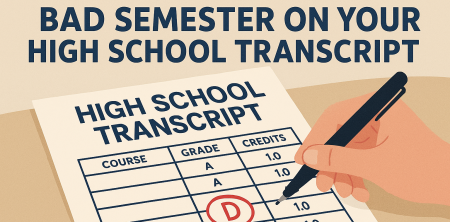
Every high school student hopes for a flawless academic record, but sometimes life throws curveballs that can lead to a bad semester on your transcript. Whether it was due to personal challenges, health issues, or unexpected circumstances, it’s essential to know how to explain a bad semester transcript effectively. Colleges and employers often look beyond grades, considering the context behind them, which makes your ability to communicate this context crucial. Here’s a breakdown of eight strategies to help you navigate this challenging situation.
1. Understand the Impact of a Bad Semester
A bad semester can have varying impacts depending on when it occurs in your high school career. For instance, a low GPA during freshman year may be less detrimental than a poor performance in your junior year when college applications start to loom over you. Colleges often focus on trends rather than isolated incidents, so understanding where you stand academically is vital.
It’s worth noting that many students experience difficulties during their high school years. In fact, according to a study from the National Center for Education Statistics, approximately 25% of high school students face academic setbacks. Recognizing that you’re not alone can help ease the stress of explaining your circumstances.
2. Gather Your Documentation
Before you craft your explanation, gather any relevant documentation that might support your case. This could include medical records for health issues, letters from teachers or counselors, or any other evidence verifying your circumstances. Having this information on hand not only strengthens your explanation but also demonstrates to colleges that you are responsible and proactive.
For example, if your grades plummeted due to a family crisis, a counselor’s letter describing the situation can add significant weight to your narrative. It’s essential to present a well-rounded picture rather than relying solely on your grades to communicate your story.
3. Craft a Thoughtful Explanation
Your explanation should be honest and straightforward but also emphasize your resilience. When explaining a bad semester transcript, aim for clarity and brevity. You might start with stating the specific challenges you faced and how they impacted your academic performance. Then, follow this up with what you learned from the experience and the actions you took to improve subsequently.
For instance, if you struggled academically due to anxiety, you might explain how you sought help from a counselor and developed coping strategies to manage your mental health. This approach shows growth and a commitment to overcoming obstacles.
4. Highlight Your Recovery
Colleges love to see improvement. If you bounced back after your bad semester, highlight this in your explanation. This could involve discussing any changes you made in your study habits, extracurricular involvement, or personal life that contributed to your recovery. Providing concrete examples, like raising your GPA or taking on leadership roles, can showcase your determination and resilience.
For instance, if you managed to raise your grades significantly the following semester, mention specific classes where you excelled and what actions you took to achieve that success. This not only strengthens your application but also portrays you as someone who can handle adversity and learn from it.
5. Seek Guidance from Trusted Adults
Before you finalize your narrative, consider seeking feedback from trusted adults, such as teachers, school counselors, or family members. They can provide valuable insights into how your explanation comes across and suggest areas for improvement. These individuals may also help you fine-tune your focus, ensuring that you accurately convey your experiences and growth.
Additionally, their perspective can help you understand how institutions might perceive your explanation. They can offer advice on what admissions committees are looking for, allowing you to tailor your response accordingly. (See: National Center for Education Statistics.)
6. Utilize the Additional Information Section
Most college applications include an “additional information” section where you have the opportunity to explain any unusual circumstances impacting your academic record. Use this space wisely to present your narrative succinctly. Remember, admissions officers typically review numerous applications, so clarity is key. Stick to the facts while maintaining an honest tone.
This section can be a powerful tool if used effectively. A well-crafted narrative can turn a negative into a positive by demonstrating your ability to articulate challenges and resilience. If your application has other strong points, like a solid GPA in other semesters or strong extracurricular involvement, this section can help round out your overall academic picture.
7. Prepare for Interviews
If you’re applying to colleges that require interviews, be prepared to discuss your bad semester in a concise and mature manner. Practice your explanation until you feel comfortable discussing the situation in person. Remember to focus on how you’ve grown from the experience rather than dwelling on the negative aspects.
Consider conducting mock interviews with a friend or mentor. This practice can help you refine your talking points and build confidence. During the actual interview, keep your tone positive and forward-looking, emphasizing your enthusiasm for future academic challenges and opportunities.
8. Keep Perspective and Move Forward
Finally, remember that one bad semester doesn’t define your entire academic career. Many students have faced setbacks and still gone on to achieve great things. Keeping a positive outlook and focusing on your strengths can help you navigate this difficult phase. It’s essential to view your academic journey as a whole, incorporating your skills, interests, and future aspirations.
Colleges are looking for well-rounded individuals, and demonstrating resilience in the face of adversity is an important quality. As you move forward, remember to be kind to yourself during this process. Recognize your accomplishments and learn from your experiences, and you’ll be better prepared for whatever comes next.
Explaining a bad semester transcript is undoubtedly a challenge, but with the right approach and mindset, you can transform this hurdle into a stepping stone for your academic and personal growth. So, take a deep breath, gather your thoughts, and remember that every setback can be a setup for a comeback.
9. Understanding the Reasons Behind a Bad Semester
Recognizing why a semester went poorly is essential. Different factors can contribute, and understanding these can help you articulate your experiences more effectively. For example, external pressures such as family responsibilities, part-time jobs, or the transition to harder coursework can all impact performance.
Statistics reveal that around 50% of high school students juggle schoolwork with jobs, which can lead to burnout and stress. Balancing academic responsibilities with personal commitments requires time management skills that many students are still developing. This juggling act can make it difficult to maintain consistent performance across all subjects.
Additionally, mental health issues, which have recently gained more recognition, are a significant factor for many students. Reports from the American Psychological Association indicate that about 20% of adolescents experience a mental health disorder, impacting their academic stability. When these challenges arise, they can disrupt performance, leading to lower grades.
10. Examples of Situations Leading to a Bad Semester
To provide clarity, consider some common situations that can lead to a bad semester transcript. These include:
- Illness: Chronic illnesses or unexpected health issues, like surgeries or prolonged sickness, can severely affect attendance and concentration.
- Family Issues: Life events such as divorce, relocation, or the death of a loved one can influence emotional well-being and academic focus.
- Academic Pressure: The pressure to excel can lead to stress and burnout, especially in competitive environments.
- Extracurricular Overcommitment: While involvement in clubs and sports is important, overcommitting can detract from study time and academic performance.
By identifying the factors that contributed to your bad semester, you can better explain the context to admissions committees and show how you’ve grown from the experience.
11. Statistics on Academic Recovery
Research shows that students who experience academic setbacks often rebound successfully. A report from the National Education Association found that students who faced challenges but demonstrated a willingness to improve ended up with higher GPAs later on. Specifically, about 70% of students who were able to effectively address their challenges in subsequent semesters saw an improvement in their overall academic performance. (See: CDC Youth Risk Behavior Survey.)
This statistic highlights the importance of resilience and the potential for growth following difficulties. Colleges are increasingly recognizing the journey and transformation that students undergo, making it vital to emphasize your recovery.
12. The Role of Extracurricular Activities
Engagement in extracurricular activities can often provide students with the support they need when academic times get tough. Participating in clubs, sports, or community service can foster a sense of belonging and help develop skills like time management, teamwork, and leadership. If you actively participated in extracurriculars after a bad semester, mention how these experiences contributed to your recovery.
For instance, if you joined a study group or a sports team, share how that involvement improved your academic focus or provided emotional support. Colleges appreciate applicants who show initiative in both academics and personal growth.
13. Common Mistakes to Avoid
When explaining a bad semester transcript, it’s important to approach the narrative with care. Here are some common pitfalls to avoid:
- Making Excuses: While it’s essential to explain your circumstances, avoid coming across as defensive or blaming others. Take ownership of your academic journey.
- Being Vague: Providing too little detail can leave admissions officers confused. Be clear about your situation and how it shaped your academic experience.
- Overemphasizing the Negative: Focus on positive outcomes and what you learned, rather than just dwelling on the negatives of the bad semester.
- Neglecting to Mention Support Systems: Discussing how you sought help or leaned on others can show maturity and an understanding of the collaborative nature of learning.
14. Frequently Asked Questions
What if I had multiple bad semesters?
It’s crucial to address each instance by explaining the context behind each situation. Discuss any improvements you've made and how these experiences have shaped your resilience and character. Colleges appreciate transparency and growth.
How should I format my explanation in an application?
Keep your explanation concise and focused. Use clear language and bullet points if necessary to make your points easy to digest. Aim for one short paragraph in your additional information section or a few sentences in an interview.
Can a bad semester affect scholarship opportunities?
Yes, a bad semester can impact scholarship eligibility, especially if GPA requirements are not met. However, demonstrating improvement and a strong overall record can still qualify you for certain scholarships. Many organizations consider the overall trajectory of your academic performance.
Should I mention my bad semester in my personal statement?
If relevant, yes. Including it in your personal statement can provide context to your overall narrative. Focus on how you overcame that setback and what it taught you about persistence and growth.
How can I prevent future academic setbacks?
Developing effective study habits, seeking help when needed, and managing your time wisely are all crucial. Reflect on what led to your bad semester and create an action plan to address those issues moving forward.
15. Engaging with College Resources
Many colleges offer resources that can help students who have struggled academically. Familiarizing yourself with these resources can be beneficial. For example, tutoring centers, counseling services, and academic workshops can provide support and help you navigate future challenges. Highlighting your awareness of and engagement with these resources in your applications can demonstrate that you are proactive about your academic journey.
Moreover, if you’ve utilized any of these services after your bad semester, mention them in your explanation. This shows colleges that you're dedicated to improving and that you take your education seriously. It reflects well on your character and commitment to personal growth.
16. Peer Influences and Their Role
Your peers can significantly impact your academic performance. If you found yourself in a negative environment during the semester in question, it may have contributed to your struggles. Discussing how you recognized this and made changes—such as seeking out more positive influences or study groups—can add depth to your narrative. Colleges often appreciate applicants who are self-aware and capable of making necessary adjustments.
17. Understanding the Admissions Perspective
It's essential to understand how admissions committees view your application. They’re not just looking for perfect scores; they want to see who you are as a person. Colleges appreciate candidates who demonstrate resilience, growth, and the ability to overcome obstacles. If you can convey how you’ve learned and evolved from your experience, it will resonate well with admissions officers. They often value character and personal development as much as academic achievements.
18. Effectively Communicating Challenges
When discussing your bad semester, be specific about the challenges you faced. Instead of simply stating, “I had a tough time,” explain the situation in more detail. Perhaps you were dealing with anxiety that impacted your study habits or faced familial responsibilities that took up your time. By clearly articulating what happened, you offer a more complete picture of your experience, allowing admissions committees to understand your journey better.
Additionally, consider the language you use. A positive yet honest tone can help convey your message effectively. Avoid overly dramatic language; instead, stick to straightforward descriptions that reflect your situation accurately.
19. Long-Term Impact of a Bad Semester
It’s also worth examining how your bad semester has influenced your long-term goals. Perhaps it prompted you to consider a different major, seek out specific fields, or even develop a more robust set of coping mechanisms. Discussing how this experience shaped your aspirations can provide admissions officers with insight into your motivation and future plans. Colleges like to see that students have learned from their challenges and are using those lessons to forge ahead in life.
20. Final Thoughts on Explaining a Bad Semester Transcript
Ultimately, explaining a bad semester transcript is an opportunity for self-reflection and growth. It allows you to showcase not just what you’ve faced but how you've transformed those challenges into strengths. Remember, your academic record is just one part of your story. By effectively communicating your experiences and demonstrating resilience, you can turn a setback into a compelling narrative that highlights your potential and character.
As you prepare your applications, keep in mind the importance of clarity, honesty, and a forward-looking perspective. Each step you take, each lesson you learn, and each challenge you overcome shapes the person you are becoming. Embrace this journey, and don’t shy away from sharing your story.
```
Trending Now
Frequently Asked Questions
How do I explain a bad semester on my transcript?
To explain a bad semester on your transcript, focus on providing context for your academic performance. Gather relevant documentation, such as medical records or letters from teachers, to support your explanation. Be honest about your challenges and emphasize any improvements or lessons learned since then.
What should I include when explaining my academic struggles?
When explaining your academic struggles, include specific details about the challenges you faced, such as personal issues or health problems. Support your narrative with documentation, like letters from counselors or teachers, to validate your circumstances and show that you are proactive in addressing your situation.
Will colleges consider my explanation for a bad semester?
Yes, colleges often take into account the context behind your grades. They understand that students face various challenges during high school. If you provide a clear and honest explanation, along with supporting documentation, it can help them see beyond the numbers and consider your overall potential.
How important is my GPA during my junior year?
Your GPA during junior year is particularly important as it is a critical time for college applications. A bad semester can have a more significant impact compared to earlier years. However, colleges also look at trends over time, so demonstrating improvement can help mitigate the effects of a poor semester.
What strategies can I use to explain my bad grades?
To explain your bad grades, use strategies such as understanding the impact of the semester, gathering supporting documentation, and being honest about your situation. Focus on the lessons learned and improvements made since then, which can help colleges see your resilience and growth.
What did we miss? Let us know in the comments and join the conversation.

