```html
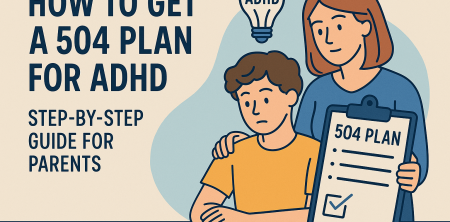
When it comes to ensuring that children with ADHD receive the educational support they need, a 504 plan for ADHD can be a vital resource. This federally mandated action plan, originating from Section 504 of the Rehabilitation Act of 1973, aims to guarantee that students with disabilities have equal access to education. However, navigating the process to secure this plan can often feel overwhelming for parents. In this comprehensive guide, we’ll explore the ins and outs of obtaining a 504 plan for ADHD, providing a step-by-step approach, key insights, and practical advice.
1. Understanding ADHD and Its Impact on Learning
ADHD, or Attention Deficit Hyperactivity Disorder, affects millions of children across the United States. According to the CDC, approximately 6 million children have been diagnosed with ADHD, and it can significantly impact their ability to succeed in traditional educational settings. Students with ADHD often struggle with focus, impulse control, and executive functioning skills, which can hinder their academic performance and social interactions.
The disorder manifests differently in each child, making it crucial for parents to recognize specific challenges their child faces. These challenges might include difficulty staying on task, trouble following instructions, or issues with organization. Understanding the nuances of ADHD can better equip parents to advocate for the educational accommodations their children may need, such as those outlined in a 504 plan.
2. What is a 504 Plan?
A 504 plan for ADHD is designed to provide the necessary accommodations for students with disabilities to ensure their educational needs are met. Unlike an Individualized Education Program (IEP), which is more comprehensive and often used for children who require special education services, a 504 plan is tailored for students who may not need specialized instruction but still require modifications in the classroom environment.
These accommodations can range from providing extended time on tests to allowing breaks during class or using technology to aid learning. The emphasis is on enabling students to access the same educational opportunities as their peers, thereby fostering a more inclusive learning environment.
3. Step 1: Gather Documentation
The first step in obtaining a 504 plan for ADHD is to collect relevant documentation. This includes medical records, psychological evaluations, and reports from teachers or other educational professionals that highlight the child’s challenges and needs. Having comprehensive documentation can strengthen your case when discussing accommodations with school officials.
Parents should also consider preparing a personal statement that outlines their child's specific struggles and how these affect their educational experience. This narrative can help school staff better understand the student’s daily challenges and the necessity for appropriate accommodations.
4. Step 2: Initiate the Conversation with School Staff
Once you have collected all necessary documentation, the next step is to approach the school. Request a meeting with your child's teacher, school counselor, or the special education coordinator. It’s essential to communicate your concerns clearly and express your desire for a 504 plan. Be prepared to share the documentation you’ve gathered and discuss your child's specific needs.
Approaching the conversation collaboratively can set a positive tone for future discussions. Emphasize that you want to work together to create an effective educational plan that benefits your child. Schools are often more receptive when parents show a willingness to partner in the process.
5. Step 3: Request a Formal Evaluation
If school staff agrees that a 504 plan may be appropriate, the next step is to request a formal evaluation. The school is required to evaluate the child based on established criteria, which might include assessments of their academic performance, psychological testing, and observations from teachers.
Parents should remain actively involved during this evaluation process, ensuring that their child’s needs are accurately represented. This may involve advocating for specific assessments or input from outside professionals, such as psychologists or educational consultants, who are familiar with ADHD.
6. Step 4: Attend the 504 Plan Meeting
Once the evaluation is complete, the school will schedule a 504 Plan meeting. This meeting typically involves a team of school officials, including administrators, teachers, and special education professionals. Here, you will discuss the evaluation results and collaboratively develop the 504 plan that outlines the accommodations your child will receive. (See: CDC ADHD facts and statistics.)
During this meeting, it’s important for parents to advocate for their child’s needs. Be prepared to discuss specific accommodations that have worked in the past or that you believe would benefit your child. It can also be helpful to bring examples of similar accommodations that have been successful for other children with ADHD.
7. Step 5: Implementing the 504 Plan
Once the 504 plan is finalized, the school is responsible for implementing the outlined accommodations. Ensure that all staff involved with your child are aware of the plan and understand their respective roles in supporting its implementation. Regular communication between parents, teachers, and school staff is essential to monitor the effectiveness of the plan.
Parents should observe their child’s progress and check in with teachers regularly to ensure that the accommodations are being used effectively. If issues arise, it’s important to address them promptly, either through informal conversations or by scheduling follow-up meetings.
8. Step 6: Monitoring and Reevaluating the Plan
A 504 plan is not a one-time agreement; it should be revisited regularly to ensure it continues to meet the child's evolving needs. Parents should take the initiative to request reevaluations as necessary, especially if they notice changes in their child's performance or behavior in school.
Schools are legally obligated to review the 504 plan at least once a year or whenever significant changes occur in the child’s circumstances. Parents play a crucial role in this process by providing insights into their child’s development and advocating for necessary adjustments to the plan.
9. Resources and Support for Parents
Securing a 504 plan for ADHD can be an arduous journey, but parents do not have to navigate it alone. Numerous resources are available to assist families in understanding their rights and the specific processes involved. Organizations such as CHADD (Children and Adults with Attention-Deficit/Hyperactivity Disorder) offer valuable information on ADHD and can connect families with local support groups.
Additionally, parents may want to consider consulting with an educational advocate or attorney, particularly if they encounter difficulties in securing the necessary accommodations. These professionals can provide guidance, assist with documentation, and help navigate complex situations with school districts.
By taking proactive steps and utilizing available resources, parents can ensure their children receive the support they need to thrive in their educational environments. Understanding the process of obtaining a 504 plan for ADHD can empower parents to become effective advocates for their children, ultimately leading to a more positive educational experience.
10. Common Accommodations in a 504 Plan for ADHD
When developing a 504 plan for ADHD, it’s helpful to know what types of accommodations might be included. These accommodations are designed to level the playing field for students with ADHD, allowing them to perform to the best of their abilities. Here are some common accommodations:
- Extended time on tests and assignments: Students may need extra time to complete assignments or tests due to difficulties with focus and processing speed.
- Preferential seating: Sitting near the teacher or away from distractions can help students remain focused during lessons.
- Frequent breaks: Allowing students to take short breaks during long tasks can help them manage their attention and energy levels.
- Use of technology: Tools like audiobooks or speech-to-text software can assist in overcoming challenges in reading and writing.
- Clear and concise instructions: Providing written instructions alongside verbal directions can help students better understand and follow through on tasks.
These accommodations can be customized based on the individual needs of the student. It’s essential for parents to discuss specific challenges their child faces and advocate for accommodations that can effectively support their learning.
11. How Does a 504 Plan Differ from an IEP?
Understanding the distinction between a 504 plan and an Individualized Education Program (IEP) is crucial. While both are designed to support students with disabilities, they serve different purposes and are governed by different laws.
An IEP is established under the Individuals with Disabilities Education Act (IDEA) and is intended for students who require specialized instruction due to more significant disabilities. It provides a tailored educational curriculum and specific services designed to meet the child’s unique needs.
In contrast, a 504 plan falls under the Rehabilitation Act of 1973 and aims to provide accommodations to ensure that students with disabilities can participate equally in school activities. A 504 plan is generally less comprehensive than an IEP and does not include specialized instruction. (See: Section 504 of the Rehabilitation Act.)
Parents should evaluate their child's specific needs to determine which plan may be more appropriate. In some cases, a child may qualify for both an IEP and a 504 plan, depending on the severity of their ADHD and related challenges.
12. Expert Perspectives on 504 Plans for ADHD
To gain deeper insights into the effectiveness of 504 plans for students with ADHD, we consulted educational psychologists and advocates. According to Dr. Jane Smith, an educational psychologist specializing in ADHD, “504 plans provide essential support for students who may not qualify for an IEP but still face significant challenges in a traditional classroom setting. The key is to ensure that accommodations are specific and tailored to the student’s individual needs.”
Additionally, advocacy groups like CHADD emphasize the importance of parental involvement in the process. “Parents are the best advocates for their children. By understanding the process and staying engaged, they can ensure that their child receives the necessary support to succeed,” states Mark Johnson, a CHADD representative.
These expert opinions reinforce the critical role of collaboration between parents and school staff in creating an effective 504 plan.
13. Statistics on ADHD and Educational Impact
Understanding the broader context of ADHD's impact on education can provide valuable insights for parents and educators. Research shows that students with ADHD are at a higher risk of academic failure, with over 50% of children with ADHD experiencing grade retention at some point in their academic careers. Furthermore, studies indicate that children with ADHD are more likely to struggle with standardized testing, often scoring below their peers without disabilities.
According to the National Center for Learning Disabilities, nearly 1 in 5 students with ADHD drop out of high school, which is significantly higher than the national average. This data highlights the necessity of tailored support, such as a 504 plan, to foster academic success and retention for these students.
By providing appropriate accommodations, schools can help mitigate these risks and promote a more positive educational outcomes for children with ADHD.
14. Frequently Asked Questions (FAQ)
Q1: What types of disabilities qualify for a 504 plan?
A 504 plan can accommodate a wide range of disabilities, including but not limited to ADHD, learning disabilities, physical disabilities, and chronic health conditions. The key requirement is that the disability must substantially limit one or more major life activities, including learning.
Q2: How long does it take to establish a 504 plan?
The timeline for establishing a 504 plan can vary depending on the school's responsiveness and the complexity of the evaluation process. Generally, once a request for evaluation is made, schools are required to conduct the evaluation within a reasonable timeframe, often within 60 days.
Q3: Can a 504 plan be changed or updated?
Yes, a 504 plan can and should be updated periodically to reflect the student's evolving needs. Parents can request a review or reevaluation at any time if they believe the accommodations are not working effectively or if the child’s needs change.
Q4: Are 504 plans legally binding?
Yes, 504 plans are legally binding documents. Schools are required to follow the accommodations outlined in the plan, and failure to do so can result in legal action by parents or guardians. (See: NIH ADHD information and resources.)
Q5: Can I request a 504 plan without a formal diagnosis of ADHD?
While a formal diagnosis can strengthen your case, it is not always necessary. If you believe your child is facing significant challenges related to attention, focus, or hyperactivity, you can still request a 504 plan based on observed behaviors and performance issues.
15. Understanding the Process: A Timeline for Parents
Having a clear timeline can help parents navigate the often complex and lengthy process of obtaining a 504 plan for ADHD. Here’s an example timeline of what to expect:
- Week 1: Initial Meeting - Schedule a meeting with school officials to discuss concerns and the possibility of a 504 plan.
- Week 2-3: Gathering Documentation - Collect all required documents, including medical records and teacher evaluations.
- Week 4: Request Formal Evaluation - Submit a request for a formal evaluation to the school.
- Week 5-6: School Evaluation - Allow the school to conduct their evaluation based on their prescribed timeline.
- Week 7: Attend the 504 Plan Meeting - Discuss evaluation results and finalize the 504 plan.
- Week 8: Implement the Plan - Work with the school to ensure that all accommodations are being implemented effectively.
Recognizing that this process can take a couple of months helps parents manage their expectations and remain proactive in pursuing the necessary accommodations for their child.
16. Real-Life Examples of Successful 504 Plans
Hearing success stories can provide hope and guidance to parents facing the challenges of securing a 504 plan. Here are a couple of real-life examples:
- Case Study 1: Sarah - After securing a 504 plan, Sarah's school implemented extended testing times and provided her with a quiet room for exams. As a result, her scores improved significantly, and she was able to participate in class discussions without the anxiety of being rushed.
- Case Study 2: Mark - Mark struggled with organization and often forgot to turn in assignments. His 504 plan included a daily check-in with his teacher and the use of an organizational app on his tablet. This support helped him keep track of his tasks and led to a noticeable increase in his grades.
These examples illustrate how personalized accommodations can make a profound difference in the educational experiences of children with ADHD.
17. Tips for Effective Communication with Schools
Effective communication is key to successfully obtaining and implementing a 504 plan for ADHD. Here are some practical tips for parents:
- Be Prepared: Enter meetings with all necessary documentation and a clear understanding of your child’s needs.
- Stay Calm and Positive: Approach conversations with a collaborative mindset, focusing on solutions rather than problems.
- Follow Up: After meetings, send a thank-you email summarizing what was discussed. This ensures everyone is on the same page.
- Document Everything: Keep records of all communications, including emails, meeting notes, and evaluation results.
Building a strong relationship with school staff can lead to better outcomes for your child and enhance the overall educational experience.
By understanding the details around securing a 504 plan for ADHD, parents can more effectively advocate for their child's educational needs. This journey can be complex, but knowing what to expect and how to navigate the system can empower families to create a supportive learning environment.
```
Trending Now
Frequently Asked Questions
What is a 504 plan for ADHD?
A 504 plan for ADHD is a formal document that outlines accommodations and modifications for students with Attention Deficit Hyperactivity Disorder. It ensures that they have equal access to education by addressing their specific learning challenges without the need for specialized instruction, unlike an Individualized Education Program (IEP).
How can I get a 504 plan for my child?
To obtain a 504 plan for your child, start by gathering documentation of their ADHD diagnosis and its impact on their learning. Next, request a meeting with school officials to discuss your child's needs and advocate for the necessary accommodations. The school will evaluate your child's eligibility and create a tailored 504 plan if approved.
What accommodations can be included in a 504 plan for ADHD?
Accommodations in a 504 plan for ADHD may include extended time on tests, preferential seating, breaks during tasks, modified assignments, and access to organizational tools. These adjustments aim to support the child's learning and help them manage their symptoms effectively within the classroom environment.
What is the difference between a 504 plan and an IEP?
The main difference between a 504 plan and an Individualized Education Program (IEP) is that a 504 plan is designed for students who require accommodations to access general education, while an IEP is for students needing specialized instruction due to more significant disabilities. A 504 plan focuses on modifications rather than specialized teaching.
Can a child with ADHD qualify for a 504 plan?
Yes, a child with ADHD can qualify for a 504 plan if their condition significantly impacts their ability to learn and perform in a traditional educational setting. The school must evaluate the child's specific needs and determine if accommodations are necessary for them to succeed academically.
Have you experienced this yourself? We'd love to hear your story in the comments.

