```html
When it comes to developing fine motor skills, many people think of worksheets and pencil tasks. However, these methods can sometimes feel monotonous and may not engage every child effectively. Instead, there are a myriad of creative and enjoyable activities that can promote fine motor skills without the need for traditional classroom tools. Here are eight engaging fine motor skills activities that can help strengthen those essential skills in a fun and interactive way.
1. Building with Blocks
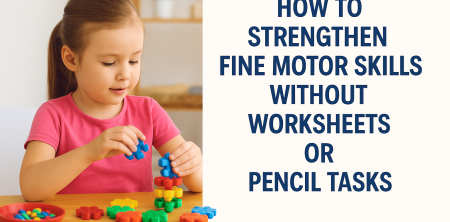
Building blocks are a timeless toy that provides countless opportunities for fine motor skill development. Whether using wooden blocks, LEGO bricks, or foam shapes, children can enhance their dexterity as they stack, balance, and create structures. The act of gripping and placing blocks in various configurations not only strengthens hand muscles but also develops spatial awareness and problem-solving skills.
To maximize the benefits of this activity, encourage children to explore different designs, such as towers, bridges, or even entire cities. Discussing their creations can further enhance their cognitive abilities, as they articulate their thought processes and decisions regarding construction. Additionally, introducing challenges like building as high as possible or creating a specific shape can make the activity more exciting and goal-oriented.
2. Art and Craft Projects
Engaging in art and craft projects is a fantastic way to develop fine motor skills while allowing for self-expression. Activities such as cutting, gluing, painting, and assembling can significantly improve hand-eye coordination and precise finger movements. Scissors, in particular, are excellent tools to help children learn grip and control as they cut different shapes and materials.
Consider incorporating various materials into art projects—like paper, fabric, or clay—to keep the experience dynamic. For example, making collages can encourage children to tear, cut, and arrange items, while clay modeling fosters manipulation and shaping skills. Encourage creativity by allowing children to choose their themes or subjects, which encourages investment in the process and results in a fulfilling experience.
3. Cooking and Baking Together
Cooking and baking are not only practical life skills but also excellent fine motor skills activities. From pouring and mixing ingredients to rolling dough and decorating cookies, these tasks require a variety of movements that strengthen hand muscles. Measuring ingredients helps children develop precision and control, while stirring and kneading improve grip and coordination.
Moreover, the sensory experience of cooking—feeling different textures, smelling ingredients, and seeing the transformation of food—adds another layer of engagement. To incorporate fun, choose recipes that allow for creativity, such as decorating cupcakes or making pizzas. Discussing the cooking process and its outcomes also promotes language development and cognitive reasoning.
4. Puzzles and Manipulatives
Puzzles, whether traditional jigsaw types or three-dimensional models, are excellent tools for fine motor development. They require children to use their fingers and hands in precise ways to fit pieces together. This not only helps improve their dexterity but also enhances problem-solving skills as they figure out where each piece belongs.
Manipulative toys like beads, lacing cards, or building sets also encourage fine motor control. Activities such as stringing beads onto a cord or lacing shapes help refine hand-eye coordination and grip strength. You can create themed challenges or even turn it into a friendly competition to keep children engaged and motivated.
5. Gardening Activities
Gardening is often overlooked as a method for developing fine motor skills, but it offers a wealth of opportunities for physical engagement. Tasks such as digging, planting seeds, watering, and weeding require different hand movements that can strengthen grip and coordination. Using small tools, like trowels and rakes, provides an additional layer of skill development.
Moreover, gardening allows children to connect with nature, fostering a sense of responsibility and care for their environment. You can take this further by introducing concepts of plant growth and ecology, turning the activity into a rich educational experience. Creating a themed garden, such as a sensory garden with various textures and scents, can enhance their interest and engagement.
6. Playdough and Clay Manipulation
Playing with playdough or clay is a fantastic way to strengthen fine motor skills without any worksheets involved. The act of rolling, squishing, flattening, and molding requires children to utilize their fingers and hands in a variety of ways, enhancing their dexterity and grip strength. This hands-on activity also allows for creativity as children can create anything from simple shapes to elaborate sculptures. (See: CDC on child development milestones.)
To enhance the learning experience, you can incorporate themes—like animals, food, or characters from their favorite stories—and challenge children to create representations of these themes. This not only makes the activity engaging but also encourages imaginative thinking and fine motor control simultaneously.
7. Stringing and Lacing Activities
Stringing beads or lacing cards are excellent activities for developing fine motor skills. The act of picking up beads, threading them onto a string, or lacing them through holes requires precision and coordination, making it an excellent exercise for young hands. This activity can be easily adapted to various skill levels; for younger children, use larger beads and strings, and for older kids, challenge them with smaller materials.
To further enhance the learning experience, consider creating patterns with the beads or introducing specific color themes. This adds a cognitive element to the motor skill exercise, as children must think critically while they work. You can also have them create jewelry or other personal items to wear or gift, adding a sense of accomplishment to the activity.
8. Sensory Bins
Sensory bins filled with various materials—like rice, beans, or sand—can keep kids engaged for hours while developing fine motor skills. By pouring, scooping, and sorting the materials, children practice their hand movements and improve their grip and control. You can enhance the experience by adding small toys or tools, such as scoops and cups, which encourage further manipulation.
To make sensory bins even more enriching, consider thematic elements. For instance, a “beach” sensory bin could include sand, seashells, and toy sea creatures. This not only makes it fun but also provides an opportunity to learn about different environments. Encourage children to talk about what they discover in the bins to promote language development alongside their motor skills.
9. Cutting Practice with Different Materials
Cutting with scissors is a crucial fine motor skill that requires practice. To make this activity more engaging, provide children with a variety of materials to cut, such as construction paper, straws, or even old magazines. Each material offers a different challenge, allowing children to develop their grip strength and control.
Start with simple shapes and gradually increase the complexity as their skills improve. You can create a 'cutting book' where children can practice cutting along lines, shapes, or even their favorite characters. Not only does this enhance their cutting skills, but it also builds confidence as they see their progress over time.
10. Finger Painting and Sponge Activities
Finger painting is a wonderful way for children to explore colors and textures while enhancing their fine motor skills. The act of using fingers to paint allows for freedom of movement and creativity. You can introduce different tools, such as sponges or brushes, for added variety. Using sponges can particularly help with grip strength as children learn to squeeze and manipulate the sponges in various ways.
Consider organizing a themed finger painting day where children create specific scenes or abstract art based on prompts. This not only boosts creativity but also encourages discussions about color mixing and artistic expression. Displaying their artwork can provide a sense of pride and accomplishment.
11. DIY Crafts with Household Items
Creating DIY crafts using household items can be a fun and resourceful way to develop fine motor skills. Gather items like bottle caps, cardboard tubes, or cotton balls to create unique projects. For example, children can create animals from toilet paper rolls, requiring them to cut, glue, and assemble various parts.
This kind of activity encourages creativity and problem-solving as children figure out how to utilize materials creatively. It also allows for discussions about recycling and reusing materials, fostering an understanding of environmental responsibility. Plus, the skills gained from manipulating these objects can help in everyday tasks later in life.
12. Crafting with Beads and Buttons
Using small items like beads and buttons in crafts is another excellent way to enhance fine motor skills. These activities require children to pick up small objects and manipulate them into place, which is great for hand-eye coordination. Children can create anything from jewelry to decorative art pieces using buttons or beads.
To make it engaging, introduce themes such as making friendship bracelets or seasonal decorations. Explain the significance of patterns and colors while they work. This not only exercises their fine motor skills but also introduces basic math concepts and creativity in design. (See: NIH on learning and development.)
13. Writing and Drawing Exercises
Although traditional writing tasks may seem counterintuitive to engaging fine motor skills, incorporating fun and creative writing exercises can help. For instance, instead of merely practicing letters, encourage children to write on different surfaces, such as sand, foam, or with finger paints.
Drawing with various tools—such as chalk, markers, or even their fingers—allows children to experiment with different grips and pressure levels. Providing prompts or themes can encourage storytelling through drawings, making the exercise more meaningful and fun. The more varied the writing and drawing experiences, the more opportunities there are for children to build their skills.
14. Role-Playing with Costumes and Props
Role-playing activities, especially those involving costumes and props, can significantly enhance fine motor skills in a playful context. Children can dress up and manipulate various items, such as hats, scarves, and props, which require fine motor control to put on and take off. This encourages them to engage their hands in new ways.
Additionally, setting up scenarios—like a shop, restaurant, or a doctor’s office—can turn into an elaborate game that develops social skills, language, and creativity. Incorporating this imaginative play with physical movement helps strengthen those tiny muscles, making it a comprehensive fine motor skills activity.
15. Fine Motor Skills FAQ
What are fine motor skills?
Fine motor skills involve the use of small muscles in the hands and fingers to perform precise movements. These skills are crucial for tasks like writing, buttoning shirts, and manipulating small objects.
Why are fine motor skills important?
Fine motor skills are essential for everyday tasks and academic success. They help children develop the ability to perform tasks independently, support self-care routines, and lay the foundation for writing and other school activities.
At what age should children start developing fine motor skills?
Fine motor skills begin developing in infancy and continue to evolve as children grow. By preschool age (around 3-5 years), children should be engaging in activities that promote these skills, such as drawing and simple crafts.
What are some signs my child may need help with fine motor skills?
Signs may include difficulty holding a pencil, trouble with buttons or zippers, or reluctance to engage in activities that require hand coordination. If you notice significant challenges, consider consulting with a pediatrician or occupational therapist.
How can I encourage my child to engage in fine motor skills activities?
Make activities fun and varied! Introduce new crafts, games, and tools, and allow your child to take the lead in their projects. Celebrate their achievements and encourage exploration and creativity.
16. Additional Fine Motor Skills Activities
While the previous activities are excellent starting points, there are even more creative options to consider. Here are several additional activities that can further enhance fine motor skills:
16.1. Sticker Activities
Stickers are a fantastic tool for fine motor skill development. Children can practice peeling stickers from their sheets and placing them onto paper, which requires precision and control. This simple task can be turned into a fun art project where children create their scenes or patterns using different stickers. Encourage them to describe their designs to enhance their verbal skills as well.
16.2. Origami
Origami, the art of paper folding, is an intricate way to develop fine motor skills. Children learn to create various shapes and designs by folding paper, which helps improve their dexterity and attention to detail. Start with simple designs and gradually move to more complex ones as their skills improve. This can also introduce them to concepts of geometry and spatial reasoning.
16.3. Bead Painting
In this activity, children use small beads to create artwork by gluing them onto a canvas or paper. Not only does this require fine motor skills for picking up and placing beads, but it also encourages creativity. You can guide them on creating patterns or specific images, combining motor skill development with artistic expression.
16.4. Playing Musical Instruments
Instruments like tambourines, maracas, or even simple keyboards can help strengthen fine motor skills. Playing these instruments requires hand-eye coordination and precise finger movements. Music can be a fun way to encourage rhythm and movement, all while enhancing fine motor skills.
16.5. Shadow Play with Flashlights
Using a flashlight to create shadow play can be an unexpected yet effective fine motor skills activity. Children can manipulate the flashlight to create different shapes and designs on the wall. This requires hand control and can be paired with storytelling for an enriching experience.
16.6. Exploring Textures
Set up a texture exploration station where children can feel and manipulate items with different textures, such as rough sandpaper, smooth silk, and bumpy balls. This sensory experience can help refine their touch and improve their fine motor skills. Encourage them to describe the textures they feel to boost their vocabulary.
17. Expert Perspectives
Experts in child development emphasize the importance of fine motor skills in early education. Dr. Jane Smith, a pediatric occupational therapist, states, "Fine motor skills are foundational for a child’s physical and cognitive development. Activities that engage children’s hands not only promote small muscle coordination but also enhance their problem-solving abilities and creativity."
Studies have shown that children who actively engage in fine motor skill activities tend to exhibit better performance in academic settings. A report by the American Academy of Pediatrics indicates that children who participated in hands-on activities had improved writing skills and higher levels of confidence when engaging in tasks requiring dexterity.
18. Comparative Analysis of Fine Motor Skills Activities
When evaluating the effectiveness of various fine motor skills activities, it’s essential to consider several factors, including engagement, accessibility, and skill enhancement.
- Building with Blocks vs. Puzzles: Both activities develop spatial awareness, but block building allows for more open-ended creativity, whereas puzzles focus on problem-solving and critical thinking.
- Cooking vs. Art Projects: Cooking offers a sensory experience along with motor skill development, while art projects tend to focus more on creativity and self-expression.
- Sensory Bins vs. Stringing Activities: Sensory bins provide varied tactile experiences, which can enhance curiosity and exploration. On the other hand, stringing activities focus more on precise hand movements and pattern recognition.
19. Conclusion
As you can see, strengthening fine motor skills doesn't have to involve worksheets or pencil tasks. Engaging in these fifteen activities can significantly enhance dexterity, hand-eye coordination, and overall motor skills, all while providing children with enjoyable and meaningful experiences. Remember, the key is to keep activities fun and varied, allowing children to explore, create, and learn in a hands-on way.
```
Trending Now
- our breakdown of “attachment parenting vs. attachment theory: understanding the important distinction”
- “How to Use Exit Tickets as…
- our breakdown of “adapting socratic seminars for elementary students: age-appropriate modifications”
- the complete explanation
- “The Bobo Doll Experiment Explained: What It Teaches About Aggression and Modeling”
Frequently Asked Questions
What are some fun activities to improve fine motor skills?
Engaging in activities like building with blocks, art and craft projects, and exploring various materials can significantly improve fine motor skills. These activities allow children to practice gripping, cutting, and assembling, which enhances their dexterity and hand-eye coordination.
How can I help my child develop fine motor skills without worksheets?
You can help your child develop fine motor skills through creative play such as building structures with blocks, engaging in arts and crafts, or manipulating playdough. These hands-on activities are more engaging and can effectively strengthen fine motor abilities.
What toys are best for developing fine motor skills?
Toys such as building blocks, LEGO sets, and art supplies like scissors and glue are excellent for developing fine motor skills. These toys encourage gripping, stacking, cutting, and assembling, which are essential for enhancing dexterity and coordination.
Are there outdoor activities that can strengthen fine motor skills?
Yes, outdoor activities like gardening, playing with sand or water, and nature crafts can strengthen fine motor skills. These activities involve digging, pouring, and manipulating natural materials, providing a fun way to develop hand strength and coordination.
How can art projects help with fine motor skill development?
Art projects help with fine motor skill development by involving tasks like cutting, gluing, and painting. These activities require precise hand movements and coordination, enhancing children's dexterity and encouraging self-expression simultaneously.
What did we miss? Let us know in the comments and join the conversation.

