```html
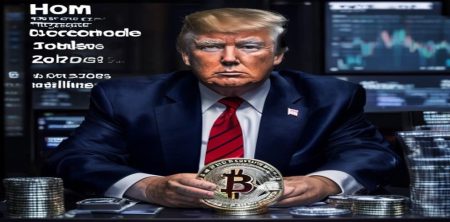
In a surprising turn of events, a recent report has revealed that former President Donald Trump executed over 22,000 crypto and stock transactions in 2025, generating an astonishing $1.4 billion through trading, fees, and licensing. This figure surpasses the total revenue earned by Coinbase, one of the largest cryptocurrency exchanges in the world, in that same year. Such revelations about Trump's financial ventures in the world of cryptocurrency have sparked intense debate and emotional reactions across social media platforms, raising questions about the implications of his actions.
1. The Numbers Behind Trump's Crypto Trades
According to estimates, Trump's personal trading activity alone accounted for a staggering $1.4 billion in earnings. When factoring in his family's investment activities, the total amount generated by the Trump family could reach between $2.2 billion and $2.3 billion. Interestingly, these figures do not include any profits derived from token sales, which could represent an additional layer of potential income.
This level of trading activity is not just noteworthy; it's unprecedented for a former U.S. president, igniting debates around the ethics of a political figure engaging so deeply in cryptocurrency markets. Many are left wondering how a public servant transitioned so seamlessly into the lucrative world of crypto trading, and what insider knowledge, if any, he may have had access to.
2. The Market Reaction and Public Sentiment
The revelation of Trump's extensive trading history has sent shockwaves through both the crypto and financial markets. On platforms like Google Trends, interest in 'Trump crypto trades' has skyrocketed, showcasing the public's insatiable curiosity about how a former political leader is navigating the volatile trading landscape.
While critics have accused Trump of exploiting his political connections for financial gain, supporters argue that his business savvy is merely a reflection of his entrepreneurial spirit. This dichotomy has fueled heated debates online, making it one of the most discussed topics in the financial sector this week.
As the discourse unfolds, various polls and surveys have emerged, indicating that public opinion is divided. A recent survey found that 45% of respondents believe Trump's trading activities represent a conflict of interest, while 40% view it as a legitimate business venture. The remaining 15% were undecided, illustrating the polarized views surrounding the issue.
3. Insider Trading or Smart Investing?
The line between legitimate trading and potential insider trading is thin in the world of cryptocurrency, and Trump's case raises critical questions. With his background in real estate and television, does his knowledge extend to the cryptocurrency sector? Critics argue that his former presidential role could give him access to privileged information that would allow him to capitalize on market fluctuations, while defenders claim that anyone could achieve similar results through diligence and timing.
As the debate continues, regulatory bodies may find themselves under pressure to investigate the nature of Trump's trades. If it were revealed that he had engaged in insider trading, the ramifications could be severe, not only for Trump but for the entire cryptocurrency market, which is already grappling with its own regulatory challenges.
To put this in context, the U.S. Securities and Exchange Commission (SEC) has been increasing its scrutiny on cryptocurrency activities, especially concerning potential insider trading. In 2022, the SEC imposed hefty fines on several cryptocurrency firms for failing to comply with securities laws. If Trump were to be found in violation, it could lead to a serious precedent for public officials engaged in crypto trading.
4. Trump’s Family: A Collaborative Effort
It's essential to note that Trump's financial success isn't solely attributed to his individual trading. The report indicates that his family as a whole contributed to the large sum earned through crypto and stock transactions. As the Trump family is known for their various business ventures, this collaboration raises questions about whether there was a concerted effort to use their collective knowledge and connections to exploit the crypto market.
Such coordination among family members in trading strategies isn't uncommon, especially among wealthy families. However, the scale and impact of their combined efforts in the crypto space could set a precedent for how public figures engage with financial markets. Could this family business model be the new normal for other political families? (See: BBC on cryptocurrency trading trends.)
Moreover, the Trump family has a history of leveraging their name for business ventures. From Trump-branded products to real estate developments, they have demonstrated a knack for capitalizing on their political connections. In the context of cryptocurrency, their collaborative approach could lead to innovative trading strategies that may not be accessible to the average investor.
5. Comparing Trump's Earnings to Major Crypto Firms
When you compare Trump's earnings from his trades to major cryptocurrency firms, the results are staggering. The fact that he out-earned companies like Coinbase—a leader in the crypto exchange market—highlights a significant shift in how political figures can engage with financial technology. For context, Coinbase reported a revenue of around $1.1 billion in 2025, meaning Trump’s personal trading success eclipsed that of a major player in the industry.
This juxtaposition of a political figure thriving in a space usually dominated by tech entrepreneurs and financial firms suggests a potential redefinition of what it means to be a player in the cryptocurrency market. Given the rapid rise of digital currencies, could we see more politicians entering the fray in the future, following a model established by Trump's success?
Interestingly, other political figures have started to explore cryptocurrencies, but none have yet matched the scale of Trump's activities. For instance, in 2023, several members of Congress publicly endorsed Bitcoin and other cryptocurrencies, but their trading activities have not reached the levels observed with Trump. This raises questions about whether Trump's approach could encourage more politicians to dive into crypto trading.
6. Ethical Implications of Political Figures in Crypto Trading
The ethical implications of Trump’s extensive trading activities cannot be overlooked. The intertwining of politics and finance raises important questions about the responsibilities of public figures. Should there be stricter regulations governing the financial activities of politicians, particularly in sectors like cryptocurrency, which are still navigating the waters of legality and regulation? Related reading: the upcoming crypto showdown.
Some experts argue that greater transparency is essential to restore trust in public institutions. They emphasize that if politicians engage in trading while in office, they should be required to disclose their trades in real-time to avoid any perceptions of corruption or favoritism. As it stands, Trump’s trading activities are drawing scrutiny and may prompt legislative reviews on how politicians can interact with financial markets.
In fact, there's a growing call among advocacy groups for a comprehensive framework that would regulate how public officials can engage with cryptocurrency. The argument is that without stringent regulations, the potential for conflicts of interest and corruption increases dramatically. As the crypto landscape continues to evolve, the need for clear guidelines becomes even more pressing.
7. The Role of Social Media in Shaping Public Perception
Social media has played a crucial role in disseminating information about Trump's crypto trades, contributing to the broader conversation around his financial dealings. Platforms like Twitter and Facebook have become battlegrounds for supporters and detractors alike, driving engagement and influencing public sentiment.
Viral posts and trending hashtags related to 'Trump crypto trades' have amplified the narrative, leading to an overwhelming amount of commentary. The immediate access to information allows the public to engage in discussions that can shape opinions, further complicating the already multifaceted views of Trump's actions. This phenomenon reflects how digital platforms can facilitate rapid dissemination of information, whether factual or speculative.
Furthermore, influencers and crypto enthusiasts have started to weigh in on Trump's trading strategies. Many have expressed admiration for his apparent success, while others criticize the ethical implications of a political figure profiting from such a volatile market. This engagement highlights the interconnectedness of politics and social media, where opinions can be shared and shaped in real time.
8. Looking Ahead: Future of Trump and Crypto
With the revelations surrounding Trump's trading activities, the future of his relationship with cryptocurrency is uncertain. Will this lead to further political ramifications, or could he leverage this success into a new platform or business venture within the crypto space? Observers will be watching closely as trends develop, particularly as the crypto market continues to evolve.
The implications of Trump's financial success in trading could also influence how future political candidates approach cryptocurrency. If Trump can capitalize on such a lucrative market, will others follow suit, changing the fabric of political fundraising and campaigning? (See: New York Times on cryptocurrency trading.)
Additionally, as more regulations are imposed on cryptocurrency trading, it will be interesting to see how Trump adapts. Could he pivot his strategies to remain successful, or will the evolving landscape pose challenges that even he can't navigate?
As we analyze these developments, one thing is clear: the intersection of politics and cryptocurrency is becoming increasingly significant. Trump's extensive trading activities may very well lead to a reevaluation of the relationship between public service and private financial interests.
9. Frequently Asked Questions (FAQ)
Q1: What types of cryptocurrencies did Trump invest in?
While specific details about the cryptocurrencies Trump traded have not been disclosed, experts speculate that he may have invested in mainstream currencies such as Bitcoin, Ethereum, and possibly other altcoins. His trading activities also suggest an interest in emerging tokens that could yield higher returns.
Q2: Is there a risk of conflict of interest in Trump's trading activities?
Yes, many critics argue that there is a clear risk of conflict of interest. Given Trump’s past role as president, there are concerns that he may have access to information that could influence market dynamics, giving him an unfair advantage over regular investors.
Q3: How could Trump's actions influence other politicians?
Trump's success in crypto trading may embolden other politicians to engage in similar activities. If they perceive that they can profit from the crypto market without facing significant repercussions, we could see a surge in political figures entering the cryptocurrency space.
Q4: What are the regulatory implications of Trump's trading activities?
The SEC and other regulatory bodies may feel pressured to implement stricter regulations regarding how public officials can engage with cryptocurrencies. This could lead to new laws requiring real-time disclosure of trades by politicians, aimed at increasing transparency and accountability.
Q5: How has the public reacted to Trump's trading activities?
Public reaction has been mixed, with some praising his business acumen while others express concerns over ethical implications. Surveys indicate a divided opinion, reflecting the polarized nature of Trump's legacy and the role of politicians in financial markets.
10. The Broader Impact of Trump's Crypto Ventures
Trump's foray into the cryptocurrency market may have far-reaching implications beyond his personal wealth. As political figures engage with digital currencies, the landscape of political fundraising could transform dramatically. Traditional fundraising methods could give way to crypto-based donations, allowing for a more decentralized and potentially anonymous way of supporting candidates. This shift could attract a younger demographic of voters who are more comfortable with digital currencies.
Additionally, large-scale trading by influential figures like Trump could lead to increased market volatility. If his trades are viewed as endorsements for specific cryptocurrencies, they could prompt spikes in interest and investment. This kind of market influence poses unique challenges for regulators and raises questions about the stability of markets that can be swayed by public figures.
Moreover, Trump's trading activities may encourage the development of new cryptocurrencies or financial products tailored for political campaigns, creating a new niche in the crypto market. It could also inspire future candidates to become more involved in cryptocurrency, reshaping their platforms to include digital currency advocacy, thus legitimizing cryptocurrencies within the mainstream political discourse. (See: CDC on financial literacy and youth.)
11. Expert Perspectives on Trump's Crypto Trading
Experts in finance and cryptocurrency have varied opinions on Trump's trading activities. Some view it as a natural progression for a businessman who has always sought lucrative opportunities. On the other hand, critics highlight the potential for ethical dilemmas and the question of whether public trust can be maintained when politicians engage in high-stakes trading.
Dr. Emily Chen, a finance professor at NYU, argues that Trump's trading could legitimize cryptocurrency as a safe investment for the general population. “If someone with Trump's profile can successfully navigate this market, it may encourage more average investors to consider digital currencies as part of their portfolios,” she states.
Conversely, financial analyst Mark Rivera warns of the dangers associated with political figures engaging in crypto trading. “The risk of manipulation and market influence is significant. If everyone sees Trump making billions in crypto, it could lead to a rush of uninformed investors entering the market, potentially resulting in devastating losses.” This highlights the delicate balance between promoting innovation and ensuring investor protection.
12. Potential Future Regulations and Their Impact
The rapid development of cryptocurrency markets has outpaced existing regulatory frameworks, leading to a crucial need for new regulations. If figures like Trump continue to participate in significant trading, regulators may feel compelled to impose more stringent rules to protect investors and maintain market integrity.
Potential regulations could include requirements for real-time trade disclosures by public officials, limits on the types of investments they can engage in, and even restrictions on trading during their time in office. Such measures could help address the ethical concerns surrounding insider knowledge and potential conflicts of interest.
Furthermore, regulations designed to protect investors from market manipulation could also reshape the landscape of crypto trading. With clearer guidelines, we may see a more stable market environment, where investors can feel safe engaging in trading without fear of undue influence from powerful figures.
As discussions around regulations evolve, the input from financial experts, regulators, and the public will play a critical role in shaping the future of cryptocurrency trading, especially concerning public officials.
13. Conclusion
The intersection of politics and cryptocurrency is evolving in ways that could redefine both sectors. Trump's extensive trading activities have not only brought attention to the potential for profits in the crypto market, but they have also raised critical ethical questions about the role of public figures in financial trading. As the landscape continues to change, the need for transparent regulations and clear guidelines will be paramount in ensuring that the benefits of the crypto market do not come at the cost of public trust.
```
Trending Now
Frequently Asked Questions
How did Trump make billions from crypto trades in 2025?
In 2025, former President Donald Trump executed over 22,000 crypto and stock transactions, generating approximately $1.4 billion. This income stemmed from trading, fees, and licensing, significantly surpassing the total revenue of Coinbase for that year.
What were the total earnings of the Trump family from crypto?
Estimates suggest that the Trump family's investment activities, including Trump's personal trading, could yield between $2.2 billion and $2.3 billion, not accounting for any profits from token sales, which could add further income.
What is the public reaction to Trump's crypto trading activities?
The public's response has been mixed, with shockwaves felt across financial markets. Interest in 'Trump crypto trades' surged on platforms like Google Trends, reflecting both curiosity and controversy regarding a former president's involvement in the crypto market. (Coinbase refund options)
Is it ethical for a former president to trade in cryptocurrencies?
The ethics of a former president engaging in extensive cryptocurrency trading are debated. Critics argue that Trump may exploit political connections for personal gain, while supporters view his activities as a demonstration of business acumen in a volatile market.
What insider knowledge might Trump have had for his crypto trades?
Questions have arisen about whether Trump possessed any insider knowledge that could have facilitated his successful trading ventures. As a former political leader, the implications of his trading raise concerns about the potential influence of political connections on financial decisions.
Have you experienced this yourself? We'd love to hear your story in the comments.

