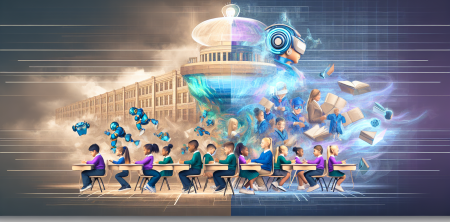
The rapid advancements in artificial intelligence (AI) are reshaping the educational landscape, raising critical questions about how to equip the next generation with the necessary skills to navigate this new frontier. As AI becomes increasingly integrated into our daily lives and workplaces, AI literacy in education has emerged as an essential competency. While K–12 educators face the daunting task of integrating AI tools into their curricula, higher education institutions are stepping in to bridge the gap, offering resources, expertise, and innovative programs designed to empower teachers and students alike.
The Urgent Need for AI Literacy in K–12 Education
The landscape of education is evolving at an unprecedented pace, with generative AI models fundamentally altering how information is accessed, processed, and utilized. In this context, the ability to understand and effectively use AI technologies is becoming a critical skill for students. The challenge is particularly pressing for K–12 educators who often lack the necessary training and resources to introduce these complex topics in a meaningful way.
As parents express growing concerns about their children falling behind in an increasingly technological world, the demand for effective AI literacy in education is gaining momentum. Many parents worry about the implications of AI on future employment, social dynamics, and even ethical considerations, prompting them to seek more information and support from educational institutions.
Higher Education's Response to the AI Literacy Gap
Recognizing the urgent need to address the AI literacy in education gap, universities and colleges are stepping up to provide essential support to K–12 educators. This initiative includes:
- Access to AI Experts: Many universities are leveraging their academic resources by connecting K–12 educators with AI researchers and practitioners. Through workshops and guest lectures, teachers can gain insights into the latest AI developments and best practices for classroom integration.
- Hosting Conferences: Higher education institutions are organizing conferences focused on AI in education, creating spaces for dialogue and collaboration between K–12 teachers, university researchers, and industry experts. These gatherings foster knowledge sharing and innovative thinking.
- Sharing Research Repositories: Universities are curating repositories of research and teaching materials related to AI, providing K–12 educators with accessible resources to enhance their curriculum. From lesson plans to assessment tools, these resources equip teachers with the tools necessary to effectively teach AI concepts.
- Training Programs: Many higher education institutions are developing professional development programs specifically aimed at K–12 educators. These programs not only cover AI technical skills but also focus on pedagogical strategies for teaching complex concepts in an engaging and accessible manner.
Innovative Collaborations to Enhance AI Literacy
The collaboration between higher education and K–12 institutions represents a paradigm shift in how we approach AI literacy in education. These partnerships are becoming increasingly important, as they foster a community of learning that transcends traditional educational boundaries. Some innovative collaborations include:
- Mentorship Programs: Universities are pairing education students with K–12 teachers to create mentorship opportunities. This allows future educators to gain hands-on experience with AI tools while supporting K–12 teachers in their professional growth.
- Joint Research Initiatives: Collaborative research projects between universities and K–12 schools can lead to valuable insights into how AI technologies are being used in classrooms and how they can be improved. These initiatives can also provide a platform for teacher feedback on the effectiveness of various AI tools.
- Curriculum Co-Development: Some universities are partnering with K–12 schools to co-develop AI curricula that meet national standards while also addressing local needs. This collaborative effort ensures that the content is both relevant and engaging for students.
Challenges in Implementing AI Literacy in K–12
Despite the promising initiatives being undertaken by higher education institutions, several challenges remain in the quest to enhance AI literacy in education. These challenges include:
- Lack of Resources: Many K–12 schools face budget constraints that limit their ability to invest in new technologies and training programs. Without adequate funding, implementing AI literacy initiatives can be a significant challenge.
- Resistance to Change: Some educators may be hesitant to embrace AI tools, either due to a lack of understanding or fear of the unknown. Overcoming this resistance requires targeted professional development that addresses both the benefits and the concerns associated with AI.
- Curriculum Overload: With existing curriculum demands, teachers may struggle to find time to incorporate AI literacy into their lessons. Balancing traditional subjects with emerging topics like AI is a delicate task.
The Role of Technology in Facilitating AI Literacy
Technology plays a crucial role in facilitating AI literacy in education. As AI tools become more accessible, they can be integrated into classrooms in various ways:
- Interactive Learning Platforms: Many educational technology companies are developing interactive platforms that allow students to experiment with AI in a controlled environment. These platforms can help demystify AI concepts and provide hands-on experience.
- AI-Enhanced Learning Resources: From personalized learning experiences to intelligent tutoring systems, AI can enhance the educational experience for students. By integrating AI tools into their teaching practices, educators can tailor learning pathways to meet individual student needs.
- Data-Driven Insights: AI technologies can provide educators with valuable insights into student performance and engagement. This data can inform instructional strategies and support targeted interventions.
Case Studies of Successful AI Literacy Initiatives
Several universities across the country have successfully implemented initiatives to support K–12 AI literacy in education. Here are a few notable examples:
Case Study 1: University of California, Berkeley
The University of California, Berkeley, has established a collaborative program with local K–12 schools focused on AI literacy. This initiative includes:
- Workshops that encourage hands-on engagement with AI tools.
- Creation of a K–12 AI curriculum that is aligned with national education standards.
- Mentoring programs pairing university students with K–12 educators to foster knowledge sharing.
As a result of this program, participating teachers reported increased confidence in their ability to teach AI concepts, and students demonstrated improved engagement and understanding of AI applications.
Case Study 2: Stanford University
Stanford University has launched an AI education initiative called “AI+Education” aimed at bridging the gap between university research and K–12 classrooms. This initiative includes:
- Development of online resources tailored for K–12 educators, including lesson plans and assessment tools.
- Hosting an annual conference that brings together educators, researchers, and industry leaders to discuss best practices in AI education.
- Funding for K–12 teachers to attend professional development workshops on AI integration.
The initiative has led to the creation of a vibrant community of educators who are passionate about integrating AI into their teaching, resulting in increased student interest in technology and computer science fields.
The Future of AI Literacy in Education
The future of AI literacy in education is bright, but it requires continued collaboration between higher education institutions and K–12 schools. As AI technologies continue to evolve, it is essential to ensure that educators and students receive the training and resources they need to thrive in this new landscape. Some key areas to focus on as we move forward include:
- Ongoing Professional Development: Regular training for K–12 educators will be vital in keeping pace with the rapid advancements in AI. Continuous learning opportunities will equip teachers with the necessary tools to effectively integrate AI into their curricula.
- Incorporating Ethics into AI Education: As AI technologies raise ethical questions, it is crucial to include discussions about ethics in AI as part of the K–12 curriculum. Students should understand the implications of AI on society and the importance of responsible AI use.
- Building a Supportive Community: Creating a network of educators, researchers, and industry professionals dedicated to AI literacy in education will foster collaboration and innovation. This community can serve as a resource for sharing best practices, challenges, and successes.
Conclusion
As the demand for AI literacy in education accelerates, universities are playing a pivotal role in supporting K–12 educators and students. Through innovative collaborations, resource sharing, and professional development, higher education institutions are helping to equip the next generation with the skills they need to thrive in an increasingly AI-driven world. The journey towards comprehensive AI literacy is just beginning, and with continued support and collaboration, we can ensure that all students are prepared to navigate the challenges and opportunities that lie ahead.

