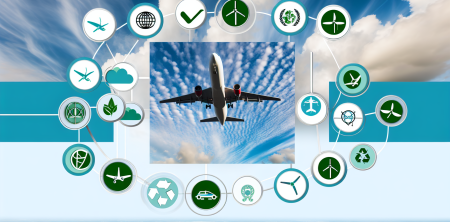
On March 30, 2026, the International Civil Aviation Organization (ICAO) made a significant announcement regarding the future of air travel. The organization unveiled a set of stricter environmental standards aimed at curbing emissions from new aircraft, a move that underscores the aviation industry's commitment to environmental sustainability. This decision is part of a broader effort to align air travel with global environmental goals while simultaneously enhancing security measures at borders.
New Environmental Standards for Aircraft
The ICAO's new regulations are designed to minimize the environmental impact of aviation, which is a significant contributor to greenhouse gas emissions. According to the International Air Transport Association (IATA), the aviation sector accounts for approximately 2-3% of global carbon emissions.
To address this issue, the ICAO has set forth a series of guidelines that manufacturers must adhere to when designing new aircraft. These standards include:
- Lower Emission Levels: New aircraft must be designed to emit fewer pollutants, particularly carbon dioxide (CO2) and nitrogen oxides (NOx).
- Enhanced Fuel Efficiency: Manufacturers are encouraged to develop more fuel-efficient engines and aerodynamic designs that reduce fuel consumption.
- Incorporation of Sustainable Aviation Fuels: The use of sustainable aviation fuels (SAFs) is promoted, with an aim to significantly reduce lifecycle carbon emissions associated with traditional jet fuels.
These regulations will not only help in reducing the aviation sector's carbon footprint but also promote innovation within the industry. Aircraft manufacturers are expected to invest in research and development to create greener technologies that comply with these new standards.
Aligning with Global Environmental Goals
The ICAO's announcement comes at a crucial time when global awareness of climate change is at an all-time high. As nations strive to meet the Paris Agreement targets, the aviation industry faces increasing pressure to operate more sustainably. The new standards reflect a commitment to responsible environmental stewardship and signify a shift towards greener practices.
In addition to reducing emissions, the ICAO's standards are anticipated to have a ripple effect across various sectors. For instance, the push for sustainable aviation fuels will likely lead to greater investments in renewable energy sources and agricultural practices that can produce these fuels.
Enhancing Security Measures
Alongside the environmental initiatives, the ICAO also announced plans for new border systems aimed at enhancing security measures in air travel. These systems are designed to streamline processes and improve the safety protocols at airports worldwide.
The introduction of advanced border technologies will include:
- Biometric Identification: The integration of biometric systems will allow for quicker identification of passengers, reducing wait times and increasing efficiency at security checkpoints.
- Data Sharing Initiatives: Enhanced data-sharing mechanisms between countries will improve the ability to screen passengers and their luggage, thereby increasing overall security.
- Artificial Intelligence (AI) Applications: AI will be utilized to analyze patterns and flag potential security threats, thereby enabling proactive measures to be taken before issues arise.
These enhancements are expected to not only bolster security but also improve the overall travel experience for passengers. With growing concerns over safety in air travel, these measures will provide reassurance to travelers and facilitate smoother transitions through airports.
Industry Response and Future Implications
The ICAO's announcement has been met with a mixed response from various stakeholders within the aviation industry. While many applaud the initiative for its focus on sustainability, others express concerns about the feasibility of implementing such stringent regulations. Aircraft manufacturers may face challenges in meeting the new standards while still maintaining profitability and competitiveness in the market.
However, the long-term benefits of these initiatives could outweigh the initial challenges. As public demand for greener travel options grows, airlines that adopt sustainable practices may find themselves at a competitive advantage. Furthermore, compliance with the ICAO standards may open up new opportunities for partnerships and investments in green technologies.
The Road Ahead
As the aviation industry begins to navigate these changes, it is essential for stakeholders to engage in collaborative efforts. Governments, manufacturers, and environmental organizations must work together to ensure that the transition to greener aviation is both efficient and effective. This collaboration will not only address the immediate challenges posed by new regulations but also pave the way for a more sustainable future in air travel.
In conclusion, the ICAO's recent announcement marks a pivotal moment for the aviation industry. By implementing stricter environmental standards and enhancing security measures, the organization is not only addressing pressing environmental concerns but also setting a precedent for future developments in air travel. As the world moves towards a more sustainable and secure air travel system, the aviation industry must rise to the challenge and lead the way in innovation and responsibility.

