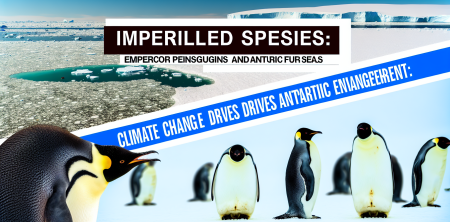
The Impact of Climate Change on Antarctic Wildlife
In a stark reflection of the escalating climate crisis, the International Union for Conservation of Nature (IUCN) has officially reclassified the emperor penguin and the Antarctic fur seal as Endangered on its Red List. This decision highlights the severe impact of climate change on these iconic species, which have long been symbols of the Antarctic ecosystem.
Emperor Penguins: A Grim Forecast
Emperor penguins, known for their remarkable resilience in one of the harshest environments on Earth, are facing unprecedented challenges. Recent studies indicate that their populations are projected to halve by the 2080s, primarily due to the loss of sea ice and warming ocean temperatures. From 2009 to 2018, the population experienced a staggering decline of approximately 10%, translating to a loss of over 20,000 adult penguins.
This decline can be attributed to the early breakup of sea ice, which is critical for the survival of penguin chicks. When the ice melts prematurely, the chicks, who lack waterproof feathers during their moulting phase, are at risk of drowning. The harsh realities of their habitat are becoming increasingly untenable, making their future uncertain.
Antarctic Fur Seals: Struggling for Survival
Similarly, the Antarctic fur seal, once a thriving species in the region, has seen its numbers plummet by 50% since the year 2000. The decline is largely due to reduced availability of food sources, which is a direct consequence of changing oceanic conditions spurred by climate change. As prey species migrate or diminish in response to warmer waters, the seals find it increasingly difficult to sustain themselves.
A Broader Implication: The Extinction Crisis
The reclassification of these two species serves as a critical warning sign of an accelerating extinction crisis. Experts argue that the plight of the emperor penguin and the Antarctic fur seal is emblematic of the larger challenges faced by wildlife globally. As climate change continues to disrupt ecosystems, we must confront the grim reality that numerous species are on the brink of extinction.
Urgent Action Required
Conservationists and scientists are sounding the alarm, urging governments worldwide to take immediate action in response to these findings. The call to decarbonize economies is more urgent than ever. Measures to reduce greenhouse gas emissions and mitigate the effects of climate change are essential not only for the survival of the emperor penguin and the Antarctic fur seal but also for the entire biodiversity of our planet.
What Can Be Done?
- Policy Changes: Governments must implement stricter regulations on carbon emissions and invest in renewable energy sources.
- Conservation Efforts: Increased funding and support for wildlife conservation programs are vital to protect vulnerable species.
- Public Awareness: Raising awareness about the impacts of climate change on wildlife can lead to greater public support for environmental initiatives.
- Research and Monitoring: Ongoing research is essential to understand the changing dynamics of ecosystems and to develop effective conservation strategies.
Conclusion
The plight of the emperor penguin and the Antarctic fur seal serves as a poignant reminder of the fragility of our natural world. As climate change continues to wreak havoc on ecosystems, it is imperative that we act decisively and collaboratively to protect these species. The future of not only these animals but also the health of our planet hangs in the balance.

