```html
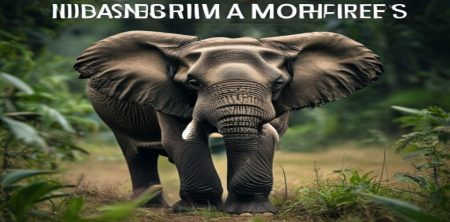
In a groundbreaking move, Indonesia has announced a moratorium on new permits for plantations, forestry, and mining activities within critical elephant habitats. Through Presidential Instruction 8/2026, the Indonesian government aims to prioritize Indonesia elephant habitat protection amidst mounting pressures from environmental activists and industry stakeholders. This decision ignites a heated debate between economic development and wildlife conservation, presenting a complex scenario for a nation rich in biodiversity and natural resources.
1. The Context of the Moratorium
Indonesia is home to one of the largest populations of elephants in Southeast Asia, particularly the critically endangered Sumatran elephant. Their habitats are increasingly threatened by deforestation driven by palm oil plantations, logging, and mining. In response, the Indonesian government has enacted a moratorium which halts any new permits for these activities within designated elephant habitats. This directive reflects a significant shift in policy as the government confronts the dire consequences of biodiversity loss, which not only affects wildlife but also the ecological balance essential for human livelihoods.
Presidential Instruction 8/2026 calls for stringent measures to ensure the protection of these vital ecosystems. By suspending approvals for new projects, the government aims to foster a more harmonious relationship between development and conservation. This move has garnered widespread attention, reflecting a growing global awareness of the urgent need for biodiversity protection.
2. The Economic Implications
While the moratorium represents a step towards environmental conservation, it does not come without controversy. Industries reliant on plantations, forestry, and mining view this directive as a direct threat to economic growth. Indonesia's economy has long depended on its rich natural resources, and the halt on new permits raises fears of job losses and reduced investment in these sectors. For many communities, particularly in rural areas, these industries are lifelines, providing employment and income.
The economic implications of this moratorium extend beyond immediate job concerns. Investors are likely to reconsider their strategies in Indonesia, potentially leading to decreased foreign direct investment. This could create a ripple effect, affecting various sectors from agriculture to infrastructure development. Balancing economic growth with ecological needs presents a monumental challenge for policymakers who must navigate these conflicting interests. We covered new research findings in more detail.
To underscore the significance of this decision, a report from the World Bank indicates that the palm oil industry alone accounts for approximately 4% of Indonesia's GDP, highlighting the stakes involved. As the government strives to protect wildlife, it must also consider these economic dependencies. There’s potential for innovation and adaptation, but industries will need support to transition to more sustainable practices that do not threaten critical habitats.
3. Industry Reactions
The response from industry stakeholders has been nothing short of vehement. Leaders from the plantation, forestry, and mining sectors argue that the moratorium could severely undermine their operations and lead to a substantial economic downturn. They contend that responsible management of resources can coexist with environmental protection and that blanket bans could stifle innovation in sustainable practices.
On social media platforms, industry representatives have voiced their concerns, emphasizing the need for dialogue between the government and the private sector. The argument against the moratorium centers on the belief that it will inadvertently harm the very communities it aims to protect, creating a tension between conservation efforts and economic necessity. For instance, a coalition of palm oil producers has suggested implementing stricter regulations rather than an outright ban, allowing them to continue operations while ensuring the protection of elephant habitats.
There's also a growing movement within industries to adopt certifications that show commitment to sustainability, such as the Roundtable on Sustainable Palm Oil (RSPO). This indicates a willingness among some players to adapt, but the moratorium will require a clear framework on how industries can operate within these new limitations.
4. Public and Activist Support
In stark contrast to industry voices, environmental activists and animal rights groups have praised the moratorium as a monumental victory for wildlife protection. Social media engagement surrounding this issue has surged, with hashtags related to Indonesia elephant habitat protection trending across various platforms. Activists argue that the welfare of endangered species and the preservation of their habitats should take precedence over short-term economic interests. (See: Facts about elephants and conservation.)
These groups see the moratorium as an opportunity to galvanize public support for broader environmental reforms. They advocate for more sustainable practices and emphasize the ecological importance of maintaining biodiversity. The emotional narrative surrounding endangered elephants has struck a chord with many, making this issue not just about policy, but about humanity's responsibility toward the planet.
In this light, organizations like the World Wildlife Fund (WWF) have been vocal supporters of the moratorium, emphasizing its potential to restore ecological balance and protect vital habitats. They argue that a healthy ecosystem ultimately benefits local communities, both environmentally and economically, as biodiversity can lead to new opportunities in sustainable tourism and conservation-related jobs.
5. Government's Position on Biodiversity
The Indonesian government’s decision to implement this moratorium is part of a broader strategy aimed at enhancing biodiversity conservation. Authorities have increasingly acknowledged the link between healthy ecosystems and human welfare, recognizing that the degradation of habitats can lead to dire consequences, including climate change and economic instability.
Furthermore, this initiative aligns with international commitments to biodiversity, including the Convention on Biological Diversity, which calls for sustainable management of natural resources. By prioritizing the protection of elephant habitats, Indonesia is positioning itself as a leader in environmental stewardship, setting a precedent for other nations grappling with similar issues.
Indonesia's environmental policies have also begun to reflect a more integrated approach to conservation. For example, the government is exploring strategies that incorporate traditional knowledge and practices of indigenous communities, ensuring that conservation efforts respect and leverage local expertise. This can lead to more effective and culturally sensitive conservation strategies, as these communities often have a deep connection to the land and its biodiversity.
6. Challenges Ahead
Despite the positive strides represented by the moratorium, significant challenges lie ahead. Implementation will require robust enforcement mechanisms to ensure compliance and prevent illegal activities within the protected areas. The government will also need to address potential backlash from communities that depend on these industries for their livelihoods.
Moreover, there’s the risk of unintended consequences, such as increased illegal logging or poaching in newly unregulated areas. The government will have to develop comprehensive strategies to mitigate these risks, including community engagement and alternative livelihood programs for those affected by the moratorium.
One approach that has shown promise in other regions is the establishment of community-based conservation programs. These initiatives empower local communities to manage their resources sustainably, providing economic opportunities while protecting wildlife. For example, in some parts of Africa, community-led wildlife protection schemes have led to increased elephant populations alongside improved local economies. Indonesia could look to these successful models as it develops its strategies for implementing the moratorium.
7. Global Implications of Indonesia’s Decision
Indonesia’s moratorium on new permits in elephant habitats is not just a national issue; it has global implications for wildlife conservation efforts. As one of the world’s largest biodiversity hotspots, Indonesia's actions are closely monitored by international environmental organizations and conservationists. The country's commitment to Indonesia elephant habitat protection could inspire other nations facing similar dilemmas.
The response from the global community may vary, with some applauding the proactive approach while others may question the impact on local economies. This situation underscores the interconnectedness of environmental and economic health on a global scale, illustrating the need for collaborative solutions that prioritize sustainable development.
Furthermore, Indonesia's actions may influence ongoing international negotiations regarding biodiversity and climate change. The commitment to protect critical habitats aligns with global initiatives such as the United Nations Sustainable Development Goals (SDGs), particularly those focused on life on land and climate action. As Indonesia navigates its path forward, it can garner support from international allies who share similar conservation goals.
8. Looking Forward: Sustainable Solutions
Moving forward, the emphasis must be on developing sustainable solutions that reconcile economic needs with environmental priorities. The government has the opportunity to invest in eco-friendly industries that can thrive without compromising the integrity of natural habitats. This could include ecotourism, sustainable agriculture, and renewable energy sectors that create jobs while also protecting biodiversity. (See: Understanding One Health and biodiversity.)
As part of this initiative, it would also be beneficial to involve local communities in decision-making processes. Empowering indigenous and local populations to participate in conservation efforts can foster a sense of ownership over their natural resources. By working together, Indonesia can set a global example of how to balance development with the urgent need for Indonesia elephant habitat protection.
One innovative idea for promoting sustainability could be the establishment of certification programs for businesses that meet specific environmental standards. This would not only encourage industries to adopt more sustainable practices but also help consumers make informed choices about the products they buy. If consumers prioritize certified products, it could lead to a ripple effect, encouraging more companies to adopt eco-friendly practices in order to meet market demand.
9. Technological Innovations in Conservation
As the world increasingly turns to technology for solutions to environmental challenges, Indonesia has the potential to leverage innovation in its conservation efforts. One area seeing significant advancements is the use of remote sensing and satellite imagery to monitor deforestation and habitat changes in real-time. These tools enable the government and NGOs to track illegal logging activities and ensure compliance with the moratorium.
Additionally, drone technology is being utilized for wildlife monitoring and anti-poaching efforts. Drones can cover large areas quickly, providing crucial data on elephant movements and potential threats. This high-tech approach not only aids in protecting elephants but also helps enforce regulations against illegal activities, making it a valuable resource in the fight for habitat conservation.
Moreover, integrating blockchain technology into supply chains can enhance transparency in the palm oil and timber industries. This system could trace the origin of products, ensuring they are sourced sustainably and do not contribute to habitat destruction. By adopting such technologies, Indonesia could set a precedent for other nations looking to improve their conservation efforts.
10. Case Studies: Successful Conservation Models
Examining successful conservation models from around the world can provide valuable insights for Indonesia as it implements its moratorium. For instance, in Kenya, the Maasai Mara National Reserve has become a leading example of how community involvement in conservation can yield positive economic and ecological results. Local communities are engaged in wildlife tourism, which provides them with a steady income while incentivizing the protection of wildlife, including elephants.
Similarly, in Bhutan, the government has successfully integrated conservation into its national development strategy. The country prioritizes Gross National Happiness (GNH) over GDP, emphasizing environmental sustainability and cultural preservation. This holistic approach has led to thriving biodiversity alongside economic growth, demonstrating that it is possible to achieve a balance between development goals and habitat protection.
These case studies highlight the importance of community engagement, innovative economic strategies, and strong governmental support in achieving successful conservation outcomes. Indonesia can draw lessons from these examples to develop tailored solutions that fit its unique context and challenges.
11. FAQ: Understanding Indonesia's Elephant Habitat Protection
What is the primary goal of the moratorium?
The main goal of the moratorium is to halt new permits for plantations, forestry, and mining activities within critical elephant habitats to protect biodiversity and endangered species like the Sumatran elephant.
How will the moratorium impact local communities?
While the moratorium aims to protect wildlife, it could have socio-economic implications for local communities that rely on agriculture and resource extraction. To address this, alternative livelihood programs and community engagement will be necessary. (See: Recent developments in elephant conservation.)
Are there any exceptions to the moratorium?
Currently, the moratorium applies broadly to new permits. However, there might be discussions around exceptions for projects that can demonstrate a commitment to sustainability and conservation.
What are the potential consequences of the moratorium?
Potential consequences include reduced foreign investment, economic downturns in resource-dependent sectors, and the risk of illegal logging or poaching if enforcement is weak. Conversely, it could lead to a resurgence of biodiversity and new economic opportunities in sustainable industries.
How does this moratorium align with global conservation efforts?
This moratorium aligns with international commitments to biodiversity conservation, such as the Convention on Biological Diversity, and positions Indonesia as a leader in wildlife protection, potentially influencing other nations to adopt similar measures.
What role do local communities play in the moratorium?
Local communities are essential to the success of the moratorium as they possess valuable knowledge about the ecosystems and can contribute to conservation efforts. Engaging these communities in decision-making processes can help ensure that their livelihoods are considered and supported.
How can technology assist in conservation efforts?
Technology, such as satellite imagery and drones, can provide critical data for monitoring habitats and tracking illegal activities. Additionally, blockchain technology can enhance transparency in supply chains, helping to ensure products are sourced sustainably.
What are some examples of successful conservation models?
Successful conservation models include community-led initiatives in Kenya's Maasai Mara National Reserve and Bhutan's integration of environmental sustainability into national development strategy. These examples demonstrate the potential for economic growth through conservation efforts.
The recent moratorium marks a pivotal moment in Indonesia's relationship with its natural resources and wildlife. As the country navigates these complex issues, it has the potential to lead the way in showing that economic growth and environmental conservation are not mutually exclusive but can coexist harmoniously for the benefit of both people and the planet.
```
Trending Now
Frequently Asked Questions
What is the purpose of Indonesia's moratorium on new permits?
Indonesia's moratorium aims to protect critical elephant habitats by halting new permits for plantations, forestry, and mining activities. This initiative, driven by Presidential Instruction 8/2026, seeks to balance economic development with wildlife conservation amidst increasing environmental pressures.
How does the moratorium affect Indonesia's economy?
The moratorium raises concerns among industries reliant on plantations, forestry, and mining, as it may threaten economic growth and lead to job losses. However, it reflects a significant shift towards prioritizing biodiversity and ecological balance in Indonesia's development strategy.
What are the environmental concerns prompting the moratorium?
The moratorium addresses severe environmental concerns, particularly the threat to the critically endangered Sumatran elephant due to habitat loss from deforestation driven by palm oil plantations and mining. This decision highlights the urgent need for biodiversity protection in Indonesia.
What does Presidential Instruction 8/2026 entail?
Presidential Instruction 8/2026 outlines Indonesia's commitment to suspend new permits for activities that threaten elephant habitats. It aims to enforce stricter measures for conservation while fostering a sustainable relationship between economic development and environmental protection.
What is the significance of Indonesia's elephant habitats?
Indonesia's elephant habitats are crucial for biodiversity, particularly for the survival of the critically endangered Sumatran elephant. Protecting these areas is vital not only for wildlife conservation but also for maintaining ecological balance, which supports human livelihoods.
Have you experienced this yourself? We'd love to hear your story in the comments.

