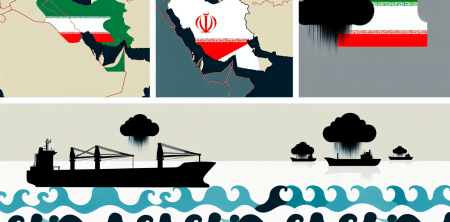
The Strait of Hormuz, a critical maritime chokepoint that connects the Persian Gulf to the Gulf of Oman, has become a flashpoint of escalating tensions as Iran has seized two cargo ships in a bold assertion of power. This action is particularly significant given the backdrop of a recently extended ceasefire in the region, raising serious concerns about stability, international shipping routes, and global energy prices.
The Context of Rising Tensions
The Strait of Hormuz is one of the most strategically important waterways in the world, with approximately 20% of the global oil trade passing through it. The tensions in this region are not new; they have been heightened by a series of geopolitical conflicts involving Iran, the United States, and several Gulf nations. The recent seizure of the cargo ships marks a noteworthy escalation that has drawn international attention.
Recent Developments
On April 23, 2026, Iranian forces reportedly seized two cargo vessels, although details surrounding the ships and their nationalities have yet to be fully disclosed. This incident comes at a time when the U.S. has maintained a naval blockade in the area, aiming to deter similar actions and protect shipping lanes vital to the global economy.
Impact on Global Oil Prices
The immediate financial ramifications of Iran's actions were felt almost instantaneously, with oil prices surging above $100 per barrel. This spike is attributed to fears of supply disruptions and the potential for conflicts that could further hinder the free flow of crude oil through the Strait of Hormuz.
Historical Background
The Strait of Hormuz has been a strategic maritime route for centuries, but its importance has grown significantly in the context of modern geopolitics. Following the 1979 Iranian Revolution, relations between Iran and the West, particularly the United States, have been fraught with tension. Several incidents have marked the history of this region, including:
- The Iran-Iraq War (1980-1988), which saw numerous attacks on oil tankers.
- The U.S. Navy's Operation Earnest Will in the late 1980s, which aimed to protect commercial shipping.
- Ongoing skirmishes and threats from Iranian forces regarding U.S. military presence in the region.
Iran's Strategic Objectives
The motivations behind Iran's recent action can be traced back to several strategic objectives:
- Assertion of Power: By seizing cargo ships, Iran aims to demonstrate its military capabilities and assert its dominance in the region, particularly in defiance of U.S. sanctions and military presence.
- Leverage in Negotiations: Such actions can be viewed as a bargaining chip in negotiations regarding nuclear agreements and sanctions relief.
- Disruption of Western Influence: Iran's actions are intended to undermine U.S. influence in the region and signal to its allies that it can counteract foreign interventions.
Concerns Over Global Shipping Routes
With the seizure of the cargo ships, experts and analysts are increasingly concerned about the implications for global shipping routes. The Strait of Hormuz is not only vital for oil transportation but also for numerous other goods and services. Disruptions in this area can lead to:
- Increased Shipping Costs: As insurance rates for vessels traversing the strait rise, shipping companies may pass these costs onto consumers, leading to higher prices globally.
- Supply Chain Disruptions: A sustained conflict could result in delays and shortages of various goods, impacting economies worldwide.
- Geo-Economic Shifts: If shipping routes become too risky, companies may seek alternative paths, which could alter global trade dynamics.
Threats to Undersea Infrastructure
In addition to the immediate threat posed by the seizure of cargo ships, Iranian officials have recently made statements regarding potential actions against undersea internet cables that run beneath the Strait of Hormuz. This infrastructure is crucial for global data traffic, particularly in financial systems that rely on real-time communications. Interruptions could result in:
- Financial Instability: A disruption could lead to market volatility and affect transactions that depend on seamless connectivity.
- Cybersecurity Threats: Targeting undersea cables raises concerns about increasing cyber warfare, as nations may seek to disrupt each other's financial systems.
- Global Communication Disruptions: Interruptions to internet cables can also impact various sectors, including telecommunications and information technology.
International Responses
The international community's response to Iran's actions will likely shape the future of the region. Key players, including the United States and its allies, have expressed concern over Iran's aggressive maneuvers. Potential responses could include:
- Increased Naval Presence: The U.S. and allied navies may bolster their presence in the region to deter further Iranian actions.
- Diplomatic Efforts: Countries may engage in diplomatic negotiations to de-escalate tensions and seek peaceful resolutions.
- Sanctions and Economic Measures: Additional sanctions could be imposed on Iran to further isolate its economy and deter aggressive actions.
The Future of the Strait of Hormuz
The situation in the Strait of Hormuz remains fluid and unpredictable. As tensions continue to rise, the potential for conflict looms large. The international community faces the monumental challenge of balancing deterrence and diplomacy to ensure the stability of this critical region.
Conclusion
Iran's seizure of two cargo ships in the Strait of Hormuz is a clear indication of the rising tensions and the complexities of geopolitical dynamics in the region. With oil prices soaring and threats to global shipping routes and undersea infrastructure, the implications of this incident are far-reaching. As stakeholders navigate this precarious situation, the need for strategic dialogue and collaborative efforts to prevent further escalation has never been more critical.

