```html
In a world where our personal information is more valuable than gold, the recent uproar around the AI assistant Claude requesting users’ Aadhaar cards has sent shockwaves through the digital landscape. What started as a seemingly innocuous social media post has evolved into a global privacy scare, igniting intense discussions about AI privacy concerns. As millions scramble for verification and safety tips, the question looms: how safe is your data in this AI-driven era?
The Birth of a Panic
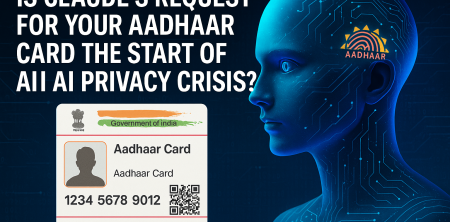
The situation erupted when a viral video surfaced on social media claiming that Claude, an AI developed by Anthropic, was requesting Aadhaar cards from users. This claim is particularly alarming in India, where the Aadhaar system is a government-issued biometric identification. The video not only made this request sensational but also included a digital map of users' faces and utilized Optical Character Recognition (OCR) technology to make it seem more credible.
Many users quickly took to platforms like Twitter and Facebook, sharing their reactions and warnings about this purported demand, which they viewed as a potential invasion of privacy. The fear of personal data being compromised by AI systems is not new, but the idea of an AI specifically asking for sensitive government IDs has triggered a wave of anxiety that is hard to ignore.
The Role of Social Media in Spreading Panic
Social media platforms have become breeding grounds for misinformation and panic. The rapid spread of the Claude Aadhaar card claim highlights a critical issue: the intersection of technology and public perception. As the post garnered millions of views, users flooded search engines with queries about verification and safety measures, further amplifying the situation. The spike in Google Trends indicates that this topic isn't just a passing fad; it's a serious concern for a large segment of the population.
Experts have pointed out that misinformation can sometimes be more dangerous than the actual threat. In this case, the fear of a sophisticated scam could lead to people taking unnecessary precautions or, conversely, ignoring genuine risks related to AI and data privacy. Social media users, often quick to share without verifying facts, have unwittingly contributed to the chaos.
Understanding the Aadhaar System
The Aadhaar system is a 12-digit unique identification number issued by the Indian government to residents. It aims to streamline service delivery and reduce fraud. However, it has been at the center of controversy regarding privacy and data security since its inception in 2009. Critics have raised concerns about how the system handles biometric data and the potential for misuse.
This context is crucial when examining the recent panic surrounding Claude's alleged request. Given the sensitive nature of Aadhaar information, many are rightfully concerned about what sharing such details with an AI could mean for their privacy and security. The underlying fear taps into a broader narrative: can we trust AI systems to handle our data responsibly?
Expert Opinions on AI Privacy Concerns
As this situation unfolds, experts in data privacy and AI ethics are weighing in. Cybersecurity analyst Rajesh Kumar asserts that while the claim may be exaggerated or false, it opens a critical dialogue about what users should know when interacting with AI technologies. "People need to understand the risks involved in sharing personal information with AI systems," he explains.
Experts also caution that the line between legitimate AI requests and scams can be blurred. A fake request for Aadhaar information could easily lead to identity theft or financial fraud. The incident has reignited discussions about establishing robust regulations for AI systems to protect consumer rights and data integrity.
The Emotional Impact of AI Privacy Concerns
It's not just the technical aspects of data privacy that are causing upheaval; the emotional impact is equally significant. Many individuals feel vulnerable in a world increasingly dominated by technology. The idea that an AI could request a government ID feels invasive and unsettling, leading to a sense of helplessness.
This emotional response is compounded by the fact that many people lack a fundamental understanding of how AI systems operate. Misinformation can exacerbate these feelings, creating a perfect storm of panic. Users may feel a mix of fear, anger, and confusion, prompting them to take extreme measures to protect their information. (See: Data Privacy and Protection.)
The Call for Transparency in AI Development
The Claude incident illustrates a pressing need for transparency in AI development. As machines become more integrated into our daily lives, the algorithms governing their actions should be made accessible to users. Transparency can foster trust, allowing individuals to feel more secure when using AI technologies.
Organizations and developers must prioritize user education regarding how AI operates and what data it requires. For instance, AI should be designed in a way that it only requests the information necessary for its function and does so transparently. This proactive approach could alleviate some of the fears surrounding AI privacy concerns.
What You Can Do to Protect Your Data
As individuals grapple with the implications of AI privacy scares, there are actionable steps you can take to safeguard your personal information:
- Verify Information: Before reacting to alarming news, take the time to verify claims through reputable sources.
- Limit Sharing: Be cautious about the information you share online, especially sensitive data like government IDs.
- Educate Yourself: Stay informed about data privacy laws and practices relevant to your location.
- Utilize Security Tools: Consider using encryption and secure services to protect your personal data.
- Engage in Dialogue: Discuss AI and privacy issues with friends and family to foster a more informed community.
By being vigilant and proactive, you can better protect yourself in a world increasingly influenced by AI.
The Future of AI and Privacy Regulations
The Claude incident raises larger questions about how society will navigate the balance between technological innovation and privacy rights. As AI systems become more capable and widespread, regulatory frameworks will need to evolve to address emerging AI privacy concerns.
Countries around the globe are grappling with how to implement effective regulations without stifling innovation. For instance, the European Union has been at the forefront of this debate with its General Data Protection Regulation (GDPR), which aims to set stringent standards for data protection.
Legislators must consider how to create policies that both protect consumers and encourage technological advancement. This balancing act will be crucial in fostering an environment where trust in AI can flourish, ultimately benefiting everyone involved.
The Role of Corporations in Mitigating AI Privacy Concerns
Corporations play a pivotal role in how data privacy issues are addressed. They have the resources and expertise to implement advanced security measures that not only protect user data but also foster a culture of transparency. For example, companies can adopt privacy-by-design principles, ensuring that data protection is integrated into the development of AI systems from the outset.
Moreover, corporations can invest in technologies that enhance data security, such as blockchain-based systems. These systems can create immutable records of data transactions, which can bolster trust among users. By leading with ethical practices and prioritizing consumer data privacy, companies can mitigate fears and contribute positively to the ongoing conversation about AI privacy.
Comparative Analysis: AI Privacy Laws Across Countries
The landscape of AI privacy regulations varies significantly across different countries. In addition to the GDPR in Europe, California’s Consumer Privacy Act (CCPA) is another stringent regulation that empowers consumers with rights regarding their personal data. Under the CCPA, consumers can request information about the data collected about them, request deletion, and opt-out of data selling.
Meanwhile, countries like India are still developing comprehensive frameworks to address AI privacy concerns. The Personal Data Protection Bill aims to protect personal data and establish a data protection authority. Comparing these approaches reveals how different legal frameworks can shape the way AI technologies operate and how they handle user data.
Understanding these global differences is critical for consumers as they navigate their rights and protections in an increasingly interconnected world. Awareness of the laws affecting AI privacy in your region can empower you to take action when necessary. (See: AI Privacy Concerns.)
Frequently Asked Questions (FAQ)
What constitutes AI privacy concerns?
AI privacy concerns involve issues related to how artificial intelligence systems collect, store, and use personal data. This encompasses risks of data breaches, unauthorized access to sensitive information, and the potential for misuse of data.
How can I determine if an AI service is asking for my data securely?
Always verify the legitimacy of the AI service before providing personal information. Look for privacy policies, user reviews, and any certifications that indicate the service complies with data protection regulations.
What should I do if I suspect my data has been compromised?
If you suspect your data has been compromised, immediately change your passwords, enable two-factor authentication where possible, and monitor your accounts for unusual activity. Consider reporting the incident to relevant authorities.
Are there technologies that enhance data privacy in AI?
Yes, technologies such as differential privacy, federated learning, and blockchain can enhance data privacy in AI systems. These technologies help protect user information while still allowing AI to learn and function effectively.
How are companies held accountable for AI privacy violations?
Companies can face penalties under existing data protection laws if they violate privacy regulations. Regulatory bodies may impose fines, and affected individuals may also pursue legal action against the company for damages.
AI Privacy Concerns in Different Industries
AI is increasingly integrated into various sectors, each facing unique privacy challenges. For instance:
- Healthcare: AI systems that analyze patient data can improve diagnostics and treatment but may expose sensitive health information. Healthcare providers must ensure compliance with regulations like HIPAA to safeguard patient privacy.
- Finance: AI algorithms are used for credit scoring and fraud detection. However, these systems could inadvertently discriminate against certain demographic groups if not carefully monitored.
- Retail: AI powers personalized shopping experiences but relies on collecting extensive user data. Retailers must navigate consumer privacy concerns while still utilizing data to enhance customer experience.
Each industry must adopt tailored strategies to address the specific AI privacy concerns that arise, ensuring that innovations do not come at the cost of consumer trust.
Real-World Impacts of AI Privacy Breaches
Understanding the consequences of AI privacy breaches can drive home the importance of protecting user data. Here are a few notable incidents:
- Cambridge Analytica Scandal: This notorious case highlighted how personal data from millions of Facebook users was harvested without consent for political advertising. The fallout led to increased scrutiny over data privacy practices.
- Equifax Data Breach: In 2017, the credit reporting agency exposed the personal information of approximately 147 million Americans. This incident underscored the vulnerability of sensitive data and prompted calls for stronger data protection measures.
- Target's Data Breach: During the 2013 holiday season, hackers accessed credit and debit card information from over 40 million shoppers, raising concerns about the retailer's data security practices.
These examples serve as stark reminders of the potential ramifications of inadequate data protection and highlight the need for stringent regulations and ethical practices in AI deployment.
The Importance of User Education
One of the most effective ways to mitigate AI privacy concerns is through user education. As technology evolves, so does the sophistication of online threats. Consumers need to be aware of how AI systems work and what data they may collect. This includes: (See: Understanding AI Privacy Issues.)
- Understanding Privacy Policies: Users should take the time to read privacy policies before using AI services. This helps them know what data is collected and how it is used.
- Learning About Data Rights: Familiarity with data rights, such as the right to access and delete personal information, empowers users to take control of their data.
- Staying Updated on Trends: Following news on data breaches and AI developments can help users remain vigilant and aware of potential risks.
Creating a culture of awareness can empower individuals to make informed decisions about their digital interactions, leading to better personal data protection.
The Role of Governments in AI Privacy Safeguards
Government action is fundamental in establishing a framework for protecting citizens against privacy violations. Policymakers need to:
- Implement Comprehensive Regulations: Governments should create robust laws that detail how AI can collect and use data, ensuring consumer rights are protected.
- Promote Awareness Campaigns: Public campaigns can educate citizens about AI privacy risks and best practices for safeguarding their data.
- Encourage Ethical AI Development: Governments can incentivize companies that prioritize ethical AI deployment and data security.
By actively engaging in these areas, governments can foster an environment where innovation can thrive without compromising individual privacy.
The Future of AI and Privacy: A Collaborative Approach
The evolving landscape of AI technology and privacy calls for collaboration among various stakeholders, including businesses, consumers, and regulators. A collective approach can help establish a foundation for trust and accountability in AI deployment.
Businesses must commit to ethical practices and transparency, consumers should educate themselves and advocate for their rights, and regulators need to create policies that promote responsible AI use. This collaborative effort will be essential in navigating the complexities of AI privacy concerns as technology continues to advance.
Conclusion: A Wake-Up Call for Consumers and Developers Alike
The panic surrounding Claude’s request for Aadhaar cards serves as a potent reminder of the vulnerabilities inherent in our digital age. It’s not just about this one incident; it’s about understanding the landscape of AI privacy concerns as a whole.
As users, we need to stay informed and vigilant about how our data is used and by whom. On the flip side, developers and tech companies must take their responsibility seriously, ensuring they act transparently and ethically. This incident has sparked a global conversation — one that will likely continue as technology advances and our reliance on AI deepens. The question remains: how will we protect our digital selves in an increasingly automated world?
```
Trending Now
Frequently Asked Questions
Why is Claude requesting Aadhaar cards?
Claude, an AI assistant developed by Anthropic, has sparked concern after a viral video suggested it was requesting users' Aadhaar cards. This raised alarms about privacy and data security, especially in India, where Aadhaar is a sensitive biometric ID.
What are the privacy concerns with AI?
The request for Aadhaar cards by an AI like Claude raises significant privacy concerns, including the potential misuse of sensitive personal data. As AI systems become more integrated into daily life, fears about data security and privacy invasions are intensifying.
How did social media contribute to the panic about Claude?
Social media played a crucial role in amplifying the panic surrounding Claude's request for Aadhaar cards. The rapid spread of misinformation through platforms like Twitter and Facebook fueled public anxiety, leading many to seek verification and safety measures.
What should users do if they are asked for their Aadhaar card?
If you are asked for your Aadhaar card by any AI or online service, exercise caution. Verify the legitimacy of the request, and consult trusted sources for guidance on protecting your personal information to prevent potential data breaches.
Is the fear of AI requesting personal data justified?
Yes, the fear is justified as AI systems can potentially misuse personal data. The incident with Claude has highlighted the urgent need for robust privacy regulations and user awareness to safeguard sensitive information in the AI-driven landscape.
What did we miss? Let us know in the comments and join the conversation.

