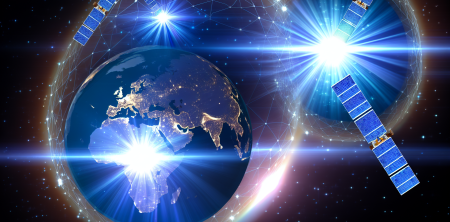
March 2026 has emerged as a significant month in the realm of satellite technology and global connectivity, marked by groundbreaking advancements that promise to reshape internet access, bolster national security, and further humanity's exploration of outer space. The month witnessed a series of pivotal events, including the launch of 83 new Starlink satellites by SpaceX, announcements from NASA regarding the National Space Policy, and enhancements made by the U.S. Space Force to its defense infrastructure.
SpaceX's Expansion of the Starlink Constellation
On March 30, 2026, SpaceX successfully launched 83 additional Starlink satellites, bringing the total number of satellites in its constellation to over 6,700. This significant increase is set to enhance internet connectivity across various sectors, particularly in remote and underserved areas.
The Starlink project aims to provide high-speed internet access to users around the globe, with a special focus on regions that lack reliable broadband options. With the latest launch, SpaceX is not only expanding its reach but also improving the overall performance and reliability of its internet service.
Impact on Remote Areas
As more satellites are deployed, the potential for internet access in remote locations grows exponentially. Communities that were previously isolated from the digital world can now benefit from the connectivity provided by Starlink. This development is crucial for a variety of sectors, including:
- Aviation: Enhanced internet capabilities can improve in-flight services, allowing passengers to stay connected during their travels.
- Maritime: Ships at sea can access vital information and communicate effectively, improving safety and operational efficiency.
- Education and Healthcare: Remote learning and telehealth services can flourish in previously underserved regions.
Navigating New Frontiers: NASA's Initiatives
On March 24, NASA Administrator Jared Isaacman made significant announcements regarding advancements in the National Space Policy. The agency is embarking on several ambitious projects that aim to enhance both space exploration and sustainability.
Key Initiatives Announced
Among the most notable initiatives are:
- International Space Station (ISS) Solar Array Upgrades: NASA plans to upgrade the solar arrays on the ISS, ensuring that the station can continue to operate efficiently for years to come. This upgrade is essential for maintaining the power needed for ongoing scientific research and international collaboration.
- Moon Base Plans: As part of its Artemis program, NASA is actively working on plans to establish a sustainable presence on the Moon. This lunar base will serve as a stepping stone for future Mars missions and other deep-space explorations.
- Fission Surface Power Development: The development of fission surface power systems is another exciting prospect. This technology aims to provide reliable energy sources for lunar operations, facilitating long-term human presence on the Moon.
Strengthening National Defense: U.S. Space Force Enhancements
In March 2026, the U.S. Space Force also announced enhancements to its defense infrastructure, reflecting the growing importance of space in national security. These improvements are designed to protect U.S. interests in an increasingly competitive space domain.
Strategic Importance of Space
The advancements made by the U.S. Space Force underscore the strategic importance of space in contemporary defense strategies. As global connectivity expands, nations recognize the potential vulnerabilities that come with increased reliance on satellite communications.
The U.S. Space Force's enhancements aim to:
- Protect Satellite Networks: With the rise in satellite launches, safeguarding these networks from potential threats is paramount. Enhanced surveillance and protection measures will help ensure the integrity of communication channels.
- Improve Collaboration: The Space Force is also focusing on fostering collaborations with commercial space entities, recognizing that partnerships can lead to more robust defense capabilities.
- Adapt to Evolving Threats: As technology evolves, so too do the threats faced in space. The Space Force is committed to adapting its strategies to counter new challenges effectively.
Conclusion: A New Era of Connectivity and Exploration
March 2026 stands as a landmark month in the evolution of satellite technology and global connectivity. With SpaceX's significant expansion of the Starlink constellation, NASA's ambitious plans for lunar exploration, and the U.S. Space Force's commitment to national security, the landscape of space technology is rapidly changing.
As these developments unfold, they will not only enhance internet access for millions but also pave the way for future explorations and collaborations in space. The continued investment in satellite technology and infrastructure will be crucial for addressing the challenges of our time, empowering communities, and ensuring a secure future in an interconnected world.

