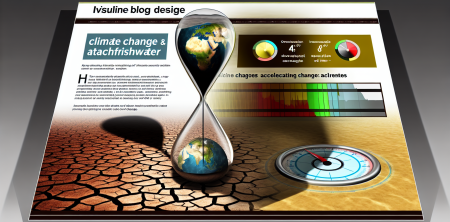
Recent findings published in Frontiers in Water have unveiled a startling trend regarding climate change freshwater shortages. Hydrologists from NASA and the Intergovernmental Panel on Climate Change (IPCC) have reported that global freshwater supplies are diminishing at a rate 25% faster than previously estimated. This alarming revelation comes amid a series of extreme weather events, including devastating floods in the US Midwest that have displaced approximately two million people. With projections indicating that a staggering five billion people will be affected by insufficient freshwater resources by 2030, these insights demand immediate attention.
The Growing Crisis of Freshwater Scarcity
The implications of these findings are profound, particularly when considering the critical role of freshwater in sustaining life and ecological balance. The study highlights specific regions such as India and California, where reservoirs have reached historic lows, demonstrating how climate change freshwater shortages are not just a distant threat but a current reality for many communities.
Extreme Weather Events: A Catalyst for Change
Extreme weather events have surged in frequency and intensity, often attributed to climate change. The recent floods in the Midwest serve as a prime example where severe weather disrupted lives and exacerbated existing vulnerabilities within urban water systems. According to the study, around 40% of urban water systems now encounter weekly shortages, a trend that is likely to continue as climate-related disruptions escalate.
Regional Case Studies: India and California
In both India and California, there are clear indicators of the ongoing water crisis. In California, prolonged droughts and limited rainfall have severely depleted reservoirs, leading to significant challenges in water supply for agricultural, industrial, and residential usage. The state's water management policies are under strain, necessitating urgent reform and innovation in water conservation and distribution.
Conversely, India faces a different set of challenges. With a rapidly growing population and increasing agricultural demands, the nation is witnessing a dramatic decline in water availability. The situation is compounded by mismanagement of water resources, pollution, and the impacts of climate change, resulting in an alarming projection where billions could face water shortages in the near future.
The Role of Fossil Fuel Industries
Integral to the narrative of climate change freshwater shortages is the role of fossil fuel industries. The research suggests that these industries have not adequately adapted to the changing climate, contributing to the delay in implementing effective water management strategies. The reliance on fossil fuels not only exacerbates climate change but also places further pressure on freshwater systems, linking energy consumption directly to water scarcity.
Public Response and Social Media Frenzy
The emotional weight of these stories has fueled a viral movement on social media platforms like Instagram and Reddit. The trending hashtag #WaterApocalypse encapsulates a growing concern about water scarcity, showcasing a mix of survivor stories and preparedness strategies. With breaking footage of cracked earth and empty taps amassing over 500 million views, individuals are sharing personal narratives and advice on how to cope with potential water crises.
Emotional Impact and FOMO
The fear of missing out (FOMO) on survival preparedness has become a cultural phenomenon, as more people seek to take proactive measures against potential climate change freshwater shortages. This emotional response is indicative of the broader apprehension surrounding climate change and its tangible effects on everyday life. By sharing experiences and tips, individuals are not only connecting with a community but also fostering a collective awareness of the looming water crisis.
Global Projections and Future Implications
The study warns that without significant intervention and policy changes, the trajectory of freshwater availability could lead to devastating consequences for billions globally. As extreme weather events become increasingly common, the urgency for sustainable solutions has never been clearer.
Water Management Strategies for the Future
- Improved Water Conservation Practices: Implementing advanced conservation techniques can significantly reduce water waste.
- Investment in Water Infrastructure: Upgrading infrastructure to withstand extreme weather can prevent losses and ensure more reliable delivery of water.
- Renewable Energy Integration: Transitioning to renewable energy sources can lessen the strain on water supplies, aligning energy production with sustainable water management.
- Policy Reform: Governments must prioritize comprehensive water management policies that address the multi-faceted challenges posed by climate change.
Conclusion: A Call to Action
The findings of this recent study emphasize the critical need for immediate action in addressing climate change freshwater shortages. From individual preparedness to systemic policy changes, the challenge of ensuring freshwater availability for future generations requires a multi-pronged approach. As the world grapples with the consequences of climate change, it is imperative to foster resilience against water scarcity and prioritize sustainable practices that safeguard our most vital resource.
Moving forward, we must heed the warning signs and engage in meaningful dialogue about our water systems. In doing so, we can better prepare for the challenges ahead and strive toward a more sustainable, water-secure future.

