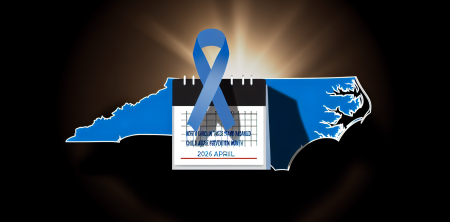
In a significant move to bolster child welfare initiatives, North Carolina Governor Josh Stein has officially proclaimed April 2026 as Child Abuse Prevention Month. This proclamation is designed to raise awareness about the critical issue of child abuse and to support ongoing prevention efforts across educational and community settings throughout the state.
The Importance of Child Abuse Prevention
Child abuse remains a pervasive issue that affects millions of children across the United States. According to the U.S. Department of Health and Human Services, nearly 700,000 children were confirmed as victims of abuse and neglect in 2021 alone. The consequences of such abuse can be devastating, leading to long-term psychological and emotional challenges for affected children.
Governor Stein's proclamation aims to not only raise awareness but also to emphasize the vital role that schools and educational institutions play in protecting children. By creating safe learning environments and promoting healthy relationships, schools can serve as a frontline defense against child abuse.
Schools as Safe Havens
Schools are often the first places where signs of abuse may be detected. Educators and school staff are uniquely positioned to notice changes in a child's behavior, mood, or academic performance that may indicate abuse. As part of the Child Abuse Prevention Month, Governor Stein's initiative encourages schools to integrate comprehensive training programs for teachers and staff to recognize and respond to potential signs of abuse.
- Training Programs: Educational institutions are encouraged to develop training programs that educate staff on the indicators of child abuse.
- Reporting Procedures: Clear procedures for reporting suspected abuse should be established and communicated to all staff.
- Support Services: Schools should collaborate with local child welfare agencies to provide support services for affected children.
Community Involvement is Key
While schools play a crucial role, community involvement is equally important in the fight against child abuse. Governor Stein's proclamation calls for community organizations, local governments, and citizens to participate in awareness campaigns and prevention programs.
Initiatives may include:
- Public Awareness Campaigns: Engaging the public through workshops, seminars, and social media to educate families about the signs of abuse and the resources available for support.
- Collaboration with Local Agencies: Partnering with organizations such as the Department of Social Services and child advocacy groups to create a network of support.
- Volunteer Programs: Encouraging community members to volunteer in local shelters, mentoring programs, or tutoring services to provide additional support to at-risk children.
Aligning with Educational Initiatives
The proclamation aligns seamlessly with North Carolina's ongoing educational initiatives aimed at addressing child welfare. In recent years, there has been a concerted effort to integrate social-emotional learning (SEL) into school curriculums. SEL programs focus on developing students' emotional intelligence, resilience, and coping strategies, which can help children better navigate the challenges they may face, including those related to abuse.
Governor Stein emphasizes that by addressing these issues in the educational setting, children can be better equipped to recognize and report abuse, whether it involves themselves or their peers. This proactive approach not only empowers children but also fosters a culture of safety and respect in schools.
Looking Ahead: The Role of Education in Prevention
As North Carolina prepares for Child Abuse Prevention Month in April 2026, the focus will be on mobilizing resources and creating impactful programs that engage both schools and communities. The governor's proclamation serves as a reminder of the collective responsibility to protect children and ensure their right to a safe environment.
The educational sector, in collaboration with community partners, can play a pivotal role in the prevention of child abuse. Through awareness, education, and a commitment to fostering safe spaces, North Carolina can set an example of a united front against this critical issue.
Conclusion
In conclusion, Governor Josh Stein's declaration of April 2026 as Child Abuse Prevention Month represents a significant step in raising awareness and promoting prevention efforts throughout North Carolina. By focusing on the vital role of schools and community involvement, this initiative seeks to create a safer future for all children. As the state mobilizes resources and engages in critical discussions about child welfare, the hope is to enact meaningful change that will resonate for generations to come.

