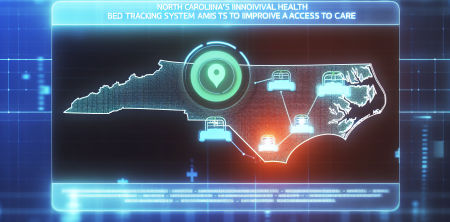
In a significant step towards enhancing mental health services, North Carolina's Department of Health and Human Services (NCDHHS) has introduced a statewide automated mental health bed tracking system. This initiative seeks to address the persistent challenges faced by individuals in mental health crises or those requiring substance abuse treatment, who often experience long delays in accessing necessary care due to the difficulty in locating available beds.
The Need for a Bed Tracking System
The mental health landscape in North Carolina has been fraught with challenges, particularly when it comes to accommodating individuals in crisis. Historically, patients have endured waiting periods that can last for hours or even days, primarily due to the lack of information regarding bed availability across various facilities. This situation not only hampers timely intervention but can also exacerbate the conditions of those in need.
How the System Works
The newly launched bed tracking system is a critical tool designed to improve coordination among healthcare providers. By providing real-time data on bed availability, the system enables providers to quickly identify open beds in different communities, thus streamlining the referral process for patients. This means that when a patient is in crisis, their healthcare provider can access up-to-date information about available resources, significantly reducing the time spent searching for appropriate care.
Improving Coordination Among Providers
Dave Jenkins, Vice President of Behavioral Services at Cone Health, emphasized the dual benefits of the system, describing it as a two-way resource for both providers and patients. Jenkins noted that the system not only aids in locating available beds but also allows facilities to share their capacity statuses, fostering better communication among service providers.
- Enhanced Efficiency: Providers can quickly identify where beds are available, reducing the time patients spend waiting for care.
- Better Resource Allocation: Facilities gain insight into the demand for services and can adjust their resources accordingly.
- Improved Patient Outcomes: By minimizing delays in receiving treatment, patients have a better chance of achieving positive health outcomes.
Onboarding Timeline and Future Goals
The NCDHHS has ambitious plans for the rollout of this system, aiming to onboard all mental health and substance use treatment providers by early 2027. This timeline indicates a commitment to not only implementing the system but ensuring that it is widely adopted across the state, ultimately impacting a larger population of individuals in need.
Broader Implications for Mental Health Care
The introduction of the bed tracking system is part of a broader initiative within North Carolina to enhance mental health services. The state has recognized the importance of mental health, especially in the wake of the COVID-19 pandemic, which has brought increased awareness to mental health issues and the need for effective treatment solutions.
As the state continues to develop its mental health infrastructure, initiatives like the bed tracking system represent a proactive approach to addressing the needs of individuals facing mental health challenges. It underscores the necessity for improved access to care and timely interventions, which are critical for effective treatment.
Potential Challenges Ahead
While the bed tracking system holds great promise, there are potential challenges that may arise during its implementation. Ensuring that all providers are adequately trained to use the system will be vital for its success. Additionally, maintaining accurate and real-time data will be essential to ensure that patients receive the most current information about bed availability.
Conclusion
North Carolina’s launch of the mental health bed tracking system marks a pivotal moment in the quest for improved mental health services. By addressing the critical issue of bed availability, the state aims to reduce waiting times for patients in crisis, ultimately enhancing their chances for successful recovery. As the system is rolled out and adopted by providers, it promises to be a transformative resource in the landscape of mental health care in North Carolina, paving the way for a more responsive and efficient system that prioritizes the needs of those in crisis.

