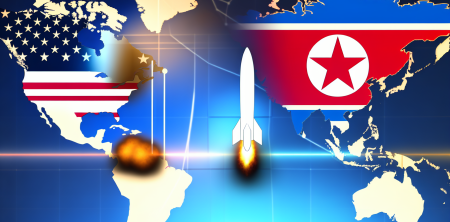
In a significant display of military might, North Korea launched more than 10 ballistic missiles into the sea on Saturday, coinciding with joint military exercises conducted by the United States and South Korea. This provocative act underscores the ongoing tensions on the Korean Peninsula, particularly as diplomatic overtures from the Trump administration towards Pyongyang continue to unfold.
Missile Launches During Joint Exercises
The missile launches, which occurred on March 14, 2026, highlight North Korea's persistent military assertiveness. While the exact type of missiles fired has not been disclosed, the incident marks one of the largest series of missile tests conducted by North Korea in recent months. The timing of these launches is particularly noteworthy, as they coincide with the annual military drills conducted by US and South Korean forces, which are often viewed by North Korea as provocative.
US-South Korea Military Drills
The joint military exercises, known as "Foal Eagle," are designed to enhance the readiness and interoperability of the US and South Korean forces. These drills typically involve a range of activities, including air, land, and naval operations. However, despite being routine, the scale and timing of these exercises often elicit fierce reactions from North Korea, which perceives such actions as a direct threat to its sovereignty.
Complex Diplomatic Landscape
The recent missile launches occur against a backdrop of renewed diplomatic efforts from the Trump administration. President Donald Trump has expressed a willingness to engage with North Korean leader Kim Jong-un, indicating a desire for dialogue aimed at denuclearization and easing tensions. This shift in approach marks a significant change in US policy, as previous administrations have taken a more hardline stance towards North Korea's provocations.
Despite these overtures, North Korea's missile tests suggest a reluctance to fully engage in diplomacy. Analysts argue that the missile launches serve multiple purposes for Pyongyang: they demonstrate military capability, reinforce internal solidarity, and send a message to the international community regarding the regime's resilience in the face of perceived threats.
Responses from the International Community
The missile tests have drawn swift condemnation from various countries and international organizations. The United Nations Security Council, which has previously imposed strict sanctions on North Korea in response to its nuclear program, remains concerned about the implications of these missile launches on regional security. Observers note that North Korea's actions may lead to increased tensions that could complicate diplomatic efforts.
- Concerns Over Regional Stability: Neighboring countries, particularly South Korea and Japan, have expressed heightened concerns about their security in light of North Korea's continued missile development.
- Impact on US-North Korea Relations: The missile launches could undermine the fragile dialogue initiated by the Trump administration, as they signal a lack of commitment to negotiations.
- Potential for Escalation: Experts warn that the situation could escalate if North Korea perceives a lack of response to its military activities.
North Korea's Military Developments
North Korea's ballistic missile program has advanced significantly in recent years, with the regime successfully testing various types of missiles capable of reaching targets across the region and potentially even the US mainland. The country's military capabilities have become a focal point of concern for global security analysts, who emphasize the need for a coordinated response to North Korea's provocations.
The Role of Sanctions
International sanctions imposed by the United Nations have aimed to curtail North Korea's nuclear ambitions and missile development. However, despite these measures, North Korea has continued to advance its military technology, often using such developments as leverage in diplomatic negotiations. This persistent military focus raises questions about the effectiveness of sanctions and the potential need for a reevaluation of diplomatic strategies.
Looking Ahead: The Path to Dialogue
As the situation unfolds, the international community watches closely for any signs of a change in North Korea's approach to diplomacy. The missile launches present a complex challenge for the Trump administration, which must balance the desire for dialogue with the need to address North Korea's aggressive military posture.
Future discussions may require a multifaceted approach that includes not only diplomatic engagement but also security assurances for both North Korea and its neighbors. Achieving a sustainable peace on the Korean Peninsula will necessitate cooperation and compromise from all parties involved.
In summary, North Korea's recent missile launches during US-South Korea military drills illustrate the intricate dynamics at play in the region. As diplomatic efforts continue, the world remains hopeful for a resolution that ensures stability and security for all nations involved.

