```html
Understanding Dyspraxia: A Parent's Perspective
Dyspraxia, also known as Developmental Coordination Disorder (DCD), is a condition that affects physical coordination and can significantly impact a child's ability to perform everyday tasks. Approximately 5-6% of school-aged children are diagnosed with dyspraxia, making it a common concern for parents. Children with dyspraxia may struggle with fine motor skills, such as writing or buttoning a shirt, or gross motor skills like running or climbing. Understanding this condition is crucial for parents to provide the right support and interventions.
The signs of dyspraxia often emerge during early childhood and can include clumsiness, difficulty with spatial awareness, and challenges in organizing thoughts and actions. These symptoms can lead to frustration and low self-esteem in children, which is why early identification and intervention are vital. One of the most effective interventions available is occupational therapy for dyspraxia.
What is Occupational Therapy?
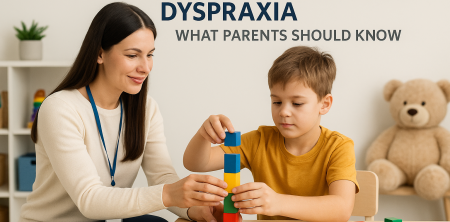
Occupational therapy (OT) is a therapeutic approach aimed at helping individuals gain the skills needed for daily living and working. For children with dyspraxia, OT focuses on developing motor skills, improving sensory processing, and enhancing cognitive abilities. An occupational therapist evaluates the child's specific challenges and creates a tailored intervention plan that addresses their unique needs.
OT can involve various activities, from play-based interventions that promote motor skills to exercises that enhance coordination and help children cope with sensory overload. The ultimate goal of occupational therapy is to empower children by building their confidence and independence in daily tasks.
The Role of Occupational Therapists in Dyspraxia
Occupational therapists play a pivotal role in addressing the challenges associated with dyspraxia. They begin with a thorough assessment that includes observing the child’s physical and cognitive abilities, understanding their environment, and identifying specific activities that pose difficulties.
Once the assessment is complete, the therapist collaborates with the child, parents, and often teachers, to create a customized plan. This may include:
- Motor Skills Development: Engaging the child in activities that promote hand-eye coordination, balance, and strength.
- Social Skills Training: Helping children develop interpersonal skills and navigate social interactions, which can be challenging for those with dyspraxia.
- Adaptive Strategies: Teaching children and their families how to modify tasks or environments to make daily activities easier.
Benefits of Occupational Therapy for Dyspraxia
The benefits of occupational therapy for children with dyspraxia are profound and multifaceted. First and foremost, it helps improve motor skills, which can lead to greater independence. Children who can master tasks like tying their shoes or using utensils feel a sense of accomplishment that boosts their self-esteem.
Moreover, OT helps in developing self-regulation and emotional control. Children learn to manage frustration and anxiety related to their challenges, which can lead to healthier coping mechanisms. Over time, this can significantly improve their social interactions and overall quality of life.
How Parents Can Support Occupational Therapy
As a parent, your involvement in your child's occupational therapy journey is crucial. Here are several ways you can support your child:
- Communicate Regularly: Keep lines of communication open with your child's occupational therapist. Regular updates help you stay informed about progress and areas needing additional focus.
- Practice at Home: Encourage your child to practice skills learned in therapy during everyday activities. Simple tasks like playing with building blocks or engaging in outdoor play can enhance motor skills.
- Create a Supportive Environment: Adapt your home environment to promote success. This might involve organizing play areas to minimize clutter, which can help children focus better.
- Encourage Independence: Allow your child to attempt tasks independently, offering help only when necessary. This builds their confidence and problem-solving skills.
Choosing the Right Occupational Therapist
Selecting the right occupational therapist is a significant decision for parents. Consider the following factors when making your choice:
- Qualifications: Look for therapists who have specific training in treating dyspraxia or developmental disorders.
- Experience: An occupational therapist with experience working with children will be more adept at handling the unique challenges that arise.
- Approach: Every therapist has a different style. Some may adopt a more structured approach, while others might be flexible and play-based. Choose one that aligns with your child’s needs.
- Recommendations: Seek recommendations from other parents, pediatricians, and school counselors.
Current Research and Trends in Occupational Therapy for Dyspraxia
Research around occupational therapy for dyspraxia is continually evolving, with many studies highlighting the importance of early intervention. One significant finding indicates that children who receive OT at an early age show more marked improvements in motor skills compared to those who start therapy later.
Moreover, there is a growing focus on integrating technology into therapy. Tools such as virtual reality and interactive games are being explored for their potential to engage children more effectively, making therapy sessions feel less like work and more like play.
Common Misconceptions About Dyspraxia and Occupational Therapy
Many misconceptions surround dyspraxia and its treatment options. One common myth is that occupational therapy only benefits children with severe symptoms. In reality, even children with mild to moderate dyspraxia can gain valuable skills through tailored OT interventions. (See: Wikipedia article on Dyspraxia.)
Another misconception is that once a child starts therapy, they will quickly overcome their challenges. Progress can be gradual and requires consistent effort both in and out of therapy. Parents must remain patient and supportive throughout this journey.
Long-term Outlook for Children with Dyspraxia
The long-term outlook for children with dyspraxia is promising, especially with early intervention through occupational therapy. Many children learn to adapt to their challenges and develop strong coping strategies that help them succeed in school and beyond.
With continued support, children with dyspraxia can develop vital skills that enable them to thrive in daily life. While they may face unique challenges, their determination and the skills learned through occupational therapy can lead them to achieve their goals.
Tools and Techniques Used in Occupational Therapy for Dyspraxia
Occupational therapists employ a variety of tools and techniques tailored to meet the specific needs of children with dyspraxia. One such tool is the use of adaptive equipment. For instance, special grips for pencils or ergonomically designed scissors can assist children in performing tasks more easily, thus enhancing their fine motor skills.
Additionally, therapists often incorporate sensory integration strategies. This might involve activities that engage multiple senses, helping children improve their motor planning and coordination. For example, using playdough can not only strengthen hand muscles but also improve tactile sensory processing.
Games that involve catching, throwing, or balancing can also be part of therapy. These activities make learning fun while promoting physical skills. A study published in the "American Journal of Occupational Therapy" found that children who participated in structured play activities showed significant improvement in motor skills and coordination.
How Dyspraxia Affects Daily Life
Dyspraxia can influence various aspects of daily life for children, affecting everything from academic performance to social interactions. In a school setting, children may struggle with tasks such as writing quickly during tests or organizing their materials efficiently, which can lead to frustration and academic challenges.
Socially, children with dyspraxia may find it difficult to engage in typical childhood play activities, such as sports or group games, where coordination is essential. This can result in feelings of exclusion or low self-esteem, making social skills development an important focus for occupational therapists.
It's also worth noting that dyspraxia can impact self-care skills. Tasks that seem simple, such as brushing teeth or dressing themselves, can be quite challenging for children. Occupational therapy strategies often include ways to simplify these tasks or break them down into smaller, manageable steps to promote independence.
Statistics and Impact of Dyspraxia
Research indicates that dyspraxia affects around 1 in 20 children in the UK, highlighting the need for awareness and early intervention. In addition, studies show that dyspraxic children often face comorbid conditions, such as ADHD and anxiety disorders, which can exacerbate their difficulties and create additional challenges in their daily routines.
Furthermore, a survey found that approximately 60% of parents reported that their children with dyspraxia experience difficulty in making friends, indicating a significant social impact. This emphasizes the importance of incorporating social skills training into occupational therapy programs.
Educationally, children with dyspraxia may score lower on standardized tests compared to their peers, often due to their difficulties with written tasks. This can affect their overall academic performance and self-esteem. With targeted support from occupational therapy, many children can improve their academic skills and develop effective coping strategies.
Incorporating Family into Therapy
Family involvement is crucial for the success of occupational therapy for dyspraxia. Occupational therapists often encourage family members to participate in therapy sessions or training exercises to better understand the techniques being used and how they can reinforce them at home.
For example, family members can be educated on how to give effective feedback during activities or how to set up the home environment to support their child’s growth. By fostering an inclusive and supportive family atmosphere, children with dyspraxia can feel more secure and motivated to tackle their challenges.
FAQs About Occupational Therapy and Dyspraxia
What age should my child start occupational therapy for dyspraxia?
It's recommended that children start occupational therapy as soon as dyspraxia is diagnosed. Early intervention can significantly improve outcomes. While some children may benefit from therapy in preschool, others might not need it until they start school. (See: CDC facts on Dyspraxia.)
How long will my child need occupational therapy?
The duration of occupational therapy varies for each child, depending on their specific needs and goals. Some children may require therapy for months, while others might need ongoing support for years. Regular evaluations with the occupational therapist can help determine the appropriate length of therapy.
Can dyspraxia improve over time?
Many children with dyspraxia show improvement over time, especially with consistent occupational therapy and support. While some may continue to face challenges into adolescence and adulthood, many develop effective coping strategies and can lead fulfilling lives.
Are there specific activities I can do at home to support my child’s therapy?
Yes! Engaging your child in activities that promote motor skills, such as arts and crafts, cooking, or outdoor sports, can be beneficial. You can also incorporate daily tasks like setting the table or folding laundry to help them practice their skills in a fun and practical way.
What should I look for in a pediatric occupational therapist?
Look for therapists with experience in dyspraxia and developmental disorders. It's also important to find someone whose approach resonates with your child’s personality and needs. Recommendations from other parents or healthcare professionals can be invaluable in making your choice.
Current Challenges Faced by Children with Dyspraxia
Aside from the immediate impact on coordination and motor skills, children with dyspraxia may face longer-term challenges that extend beyond childhood. As they transition to adolescence, they may have to deal with increasing academic pressures and social expectations. Many students with dyspraxia report feeling anxious or overwhelmed, especially when faced with new environments, like high school. It can exacerbate their difficulties in both academic and social situations.
Additionally, the rise of digital learning tools and platforms can also present unique challenges. While technology can support learning, it may also place a greater emphasis on typing skills or digital organization, areas where dyspraxic children may struggle. Therefore, it's essential for educators and therapists to advocate for inclusive practices that accommodate different learning styles.
Research has indicated that children with dyspraxia are at a higher risk for mental health issues, such as anxiety and depression. A study published in the "Journal of Child Psychology and Psychiatry" found that children with DCD, including dyspraxia, were significantly more likely to experience emotional and behavioral difficulties compared to their peers. Therefore, it's crucial for parents and therapists to address these aspects in therapy sessions.
Recent Innovations in Occupational Therapy for Dyspraxia
Recent advancements in occupational therapy are making a difference in how dyspraxia is treated. One exciting development involves the application of virtual reality (VR) in therapy settings. VR can create immersive environments that allow children to practice motor skills in a safe and controlled setting. For instance, a child might navigate an obstacle course in a virtual park, practicing balance and coordination in a fun and engaging way.
Another innovation is the use of mobile apps designed specifically for motor skill development. These apps can offer interactive exercises that children can complete at home, making therapy more accessible and enjoyable. Some apps include gamified exercises that reward progress, motivating children to keep practicing their skills outside of formal therapy sessions.
Additionally, occupational therapists are increasingly focusing on a holistic approach that incorporates mindfulness and emotional regulation techniques. By teaching children strategies to manage their anxiety and frustration, therapists help them develop resilience—a key factor in navigating their daily challenges.
Support Networks for Parents of Children with Dyspraxia
Support networks play an essential role in the journey for families of children diagnosed with dyspraxia. Connecting with other parents who are experiencing similar challenges can provide emotional support and practical advice. Online forums and local support groups offer a space for sharing experiences, resources, and coping strategies.
Organizations dedicated to developmental disorders often provide valuable information and resources, including workshops, webinars, and conferences. These events can be an excellent opportunity for parents to learn about the latest research in dyspraxia, meet healthcare professionals, and network with other families.
Many families find that engaging in community activities, such as sports or arts programs designed for children with special needs, can also be beneficial. These programs provide a structured environment where children can develop their skills while socializing with peers, which can improve their confidence and self-esteem. (See: NIH treatment options for Dyspraxia.)
How Schools Can Support Students with Dyspraxia
Schools play a pivotal role in supporting students with dyspraxia, and effective collaboration between parents, teachers, and therapists can make a significant impact. Educators can implement Individualized Education Plans (IEPs) that outline specific accommodations tailored to the student's needs, such as extra time for assignments or alternative methods for completing assessments.
Teachers can also provide a more inclusive classroom environment by using multisensory teaching methods that engage different learning styles. For example, incorporating hands-on activities, visual aids, and verbal instructions can help students with dyspraxia grasp concepts more effectively.
Additionally, professional development opportunities for teachers regarding dyspraxia and its impact on learning can foster better understanding and empathy in the classroom. Training sessions can equip educators with strategies to support students with dyspraxia, ensuring they feel welcomed and understood in their learning environments.
FAQs About Occupational Therapy and Dyspraxia
What age should my child start occupational therapy for dyspraxia?
It's recommended that children start occupational therapy as soon as dyspraxia is diagnosed. Early intervention can significantly improve outcomes. While some children may benefit from therapy in preschool, others might not need it until they start school.
How long will my child need occupational therapy?
The duration of occupational therapy varies for each child, depending on their specific needs and goals. Some children may require therapy for months, while others might need ongoing support for years. Regular evaluations with the occupational therapist can help determine the appropriate length of therapy.
Can dyspraxia improve over time?
Many children with dyspraxia show improvement over time, especially with consistent occupational therapy and support. While some may continue to face challenges into adolescence and adulthood, many develop effective coping strategies and can lead fulfilling lives.
Are there specific activities I can do at home to support my child’s therapy?
Yes! Engaging your child in activities that promote motor skills, such as arts and crafts, cooking, or outdoor sports, can be beneficial. You can also incorporate daily tasks like setting the table or folding laundry to help them practice their skills in a fun and practical way.
What should I look for in a pediatric occupational therapist?
Look for therapists with experience in dyspraxia and developmental disorders. It's also important to find someone whose approach resonates with your child’s personality and needs. Recommendations from other parents or healthcare professionals can be invaluable in making your choice.
Conclusion
Understanding occupational therapy for dyspraxia is essential for parents looking to support their children effectively. By recognizing the benefits of therapy, actively participating in their child's journey, and debunking common myths, parents can play a pivotal role in helping their children navigate the challenges associated with dyspraxia. The right support system, coupled with occupational therapy, can empower children to lead fulfilling lives, full of confidence and independence.
```
Trending Now
Frequently Asked Questions
What is dyspraxia and how does it affect children?
Dyspraxia, or Developmental Coordination Disorder (DCD), is a condition that impacts a child's physical coordination. It can lead to difficulties with fine motor skills, like writing, and gross motor skills, such as running. Children may also experience clumsiness and challenges with spatial awareness, affecting their daily tasks and self-esteem.
How can occupational therapy help children with dyspraxia?
Occupational therapy (OT) helps children with dyspraxia by focusing on developing motor skills, improving sensory processing, and enhancing cognitive abilities. Tailored intervention plans are created to address specific challenges, using play-based activities and exercises to build confidence and independence in daily tasks.
What signs indicate a child may have dyspraxia?
Signs of dyspraxia often emerge in early childhood and include clumsiness, difficulty with spatial awareness, and challenges in organizing thoughts and actions. Parents may notice their child struggling with tasks like buttoning shirts or running, which can lead to frustration and low self-esteem.
When should parents seek help for dyspraxia?
Parents should seek help for dyspraxia when they notice persistent signs such as clumsiness, difficulty with coordination, or challenges in completing everyday tasks. Early identification and intervention are crucial for effective support, so consulting a healthcare professional is recommended if concerns arise.
What does an occupational therapy session for dyspraxia involve?
An occupational therapy session for dyspraxia typically involves a thorough assessment followed by tailored activities designed to improve motor skills and sensory processing. These may include play-based interventions and exercises focused on enhancing coordination, ultimately aiming to empower the child in daily tasks.
Agree or disagree? Drop a comment and tell us what you think.

