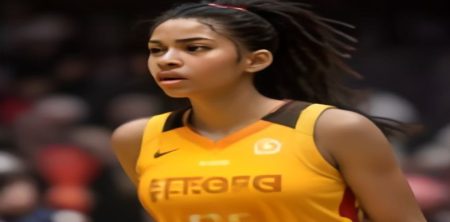
The usually vibrant atmosphere of a WNBA game took a dark turn on Friday night, August 1, 2026, when a deeply disturbing WNBA fan incident marred the contest between the Portland Fire and the Indiana Fever. What should have been an evening of athletic competition and community spirit instead became a flashpoint for a much larger, more troubling conversation. A Portland Fire season-ticket holder reported being spat on and subjected to a barrage of homophobic and transphobic slurs, including vile phrases like, “there’s too many lesbians around” and “set trans on fire.” This wasn't just a minor scuffle; it was an alleged bias crime, now under investigation by Portland police, and it ripped through the league and social media like wildfire.
This incident didn't happen in a vacuum. It's a stark reminder of the simmering tensions that can boil over when sports intersect with deeply personal and political issues, particularly those surrounding LGBTQ+ rights and inclusion. The WNBA, long celebrated for its progressive stance and diverse player base, suddenly found itself grappling with a public relations crisis and a profound challenge to its core values. You have to wonder, how did we get here? And more importantly, what does this mean for the future of fan engagement and player safety in professional sports?
The Unsettling Details of the Portland Fire Incident
Imagine settling into your seat, ready for a night of basketball, only for it to devolve into a nightmare. That's precisely what happened to a dedicated Portland Fire season-ticket holder during the national anthem. While the melody of unity played, a scene of division and hatred unfolded. The victim recounted being verbally assaulted with slurs that are not only offensive but deeply threatening. The alleged act of spitting only amplified the physical and emotional violation.
The choice of slurs — “there’s too many lesbians around” and “set trans on fire” — leaves no ambiguity about the perpetrator's intent. These weren't random insults; they were targeted, hateful attacks aimed at the victim's perceived identity and the identities of those within the LGBTQ+ community. This WNBA fan incident wasn't just about rudeness; it was about an attempt to dehumanize and intimidate, creating an environment of fear where there should be celebration.
The fact that Portland police are investigating this as a possible bias crime underscores the severity of the situation. A bias crime, often referred to as a hate crime, involves criminal acts motivated by prejudice against a particular group. It adds another layer of gravity to an already heinous act, signaling that society, and law enforcement, recognizes the unique harm inflicted when someone is targeted simply for who they are. This isn't just about individual behavior; it's about the broader societal implications of allowing such hatred to fester.
The Sophie Cunningham Controversy: A Precursor to Tensions
To truly understand the backdrop against which this WNBA fan incident occurred, we need to look at the controversy swirling around Indiana Fever guard Sophie Cunningham. In the days and weeks leading up to the game, Cunningham had made a series of public comments regarding transgender women's participation in women's sports. Her statements, which have not been explicitly detailed in terms of their exact phrasing but were widely interpreted as critical or opposed to trans inclusion, quickly ignited a firestorm of debate.
These comments resonated deeply within the sports community and beyond, especially given the WNBA's historically progressive stance. For many, Cunningham's remarks felt like a betrayal of the league's values, while others, particularly those who share her views, saw her as speaking a difficult truth. This division created a palpable tension, turning what might have been a routine game into a charged political arena. Pre-game rallies supporting Cunningham emerged, suggesting a coordinated effort to amplify a particular viewpoint, further polarizing the fan base and setting the stage for potential confrontation.
When you have such strongly held, opposing viewpoints converging in a public space like a sports arena, the risk of escalation becomes significantly higher. It’s like throwing gasoline on a fire. Cunningham's comments, whether intended to or not, became a rallying cry for some, and a source of deep concern for others, directly contributing to the heightened emotional climate that preceded this horrific WNBA fan incident. It highlights the complex tightrope sports organizations walk when their athletes wade into sensitive social issues.
Social Media Erupts: Outrage, Debate, and Division
In 2026, a story like this doesn't stay confined to the arena or local news for long. The moment details of the WNBA fan incident started to circulate, social media platforms exploded. Twitter, Instagram, TikTok – every corner of the internet became a battleground for outrage, debate, and deeply entrenched opinions. The incident quickly went viral, driven by the powerful intersection of sports, social justice, and LGBTQ+ rights.
One side expressed profound condemnation, demanding accountability for the alleged perpetrator and stronger protections for LGBTQ+ individuals in sports. Hashtags like #ProtectTransAthletes and #WNBAForAll trended, with countless users sharing personal stories, expressing solidarity, and calling for systemic change. Prominent athletes, activists, and public figures weighed in, amplifying the message that such hateful acts have no place in sports or society. The sheer volume of this outcry demonstrated the deep emotional resonance of the issue for many.
However, as is often the case with highly contentious topics online, the response wasn't monolithic. A vocal contingent also used the incident as an opportunity to double down on anti-trans rhetoric, defending Cunningham's earlier statements and, in some cases, even attempting to justify or downplay the alleged fan's actions. This created a stark division, with comment sections and replies becoming echo chambers of opposing views, often devolving into vitriol. The incident, therefore, didn't just highlight discrimination; it also laid bare the chasm of disagreement that exists within society regarding these fundamental issues.
The WNBA's Stance on Inclusion and Its Challenges
The WNBA has long prided itself on being a league of inclusion. From its early days, it has embraced diversity, particularly in its strong support for the LGBTQ+ community. Many of its star players are openly gay, and the league has actively participated in Pride initiatives, using its platform to advocate for equality and acceptance. This progressive stance has endeared it to a loyal and passionate fanbase, setting it apart from some other professional sports leagues that have been slower to embrace such issues. (See: LGBTQ+ youth health issues.)
This WNBA fan incident, however, presents a significant challenge to that identity. How does a league that champions inclusion respond when one of its own fans is allegedly subjected to such horrific discrimination? It forces a re-evaluation of security protocols, fan codes of conduct, and the very culture it seeks to foster. The league now has to demonstrate, not just verbally but through concrete action, that its commitment to inclusion extends to every person who walks through its doors, whether as a player or a fan.
The tension between individual freedom of speech (as in Cunningham's case) and the collective responsibility to create a safe and welcoming environment for all is a difficult tightrope to walk. The WNBA's response will be scrutinized heavily, not just by its existing fanbase, but by potential new fans and critics alike. This incident isn't just a PR challenge; it's a moment of truth for a league that has positioned itself as a leader in social progress.
Security and Fan Behavior: A Lingering Problem
This isn't the first time fan behavior has become a contentious issue in sports, and certainly not the first WNBA fan incident that has raised eyebrows. While the vast majority of sports fans are respectful and passionate, there's always a minority whose actions cross the line, sometimes with grave consequences. We've seen everything from throwing objects onto the court to racial slurs shouted at players. The question is, are current security measures and fan codes of conduct sufficient to prevent these incidents, particularly those rooted in bias and hate?
Sports arenas are unique environments where emotions run high. The thrill of competition, team loyalty, and sometimes, alcohol consumption, can create a volatile mix. For an alleged bias crime to occur during the national anthem – a moment traditionally reserved for reverence and unity – suggests a profound failure in either deterrence or immediate intervention. Fans expect to feel safe and respected when they attend a game, and incidents like this erode that fundamental trust.
Leagues and teams often have strict codes of conduct, but enforcement can be challenging in real-time, especially in large venues. This incident will undoubtedly prompt a review of existing security protocols, training for arena staff, and potentially more visible disciplinary actions against individuals who engage in such behavior. It forces us to ask: what responsibility do venues and teams have to actively cultivate a truly inclusive atmosphere, rather than simply reacting when it's shattered?
Legal Ramifications and Bias Crime Investigations
The fact that Portland police are actively investigating this as a possible bias crime elevates the WNBA fan incident beyond a mere unruly fan event. A bias crime, depending on the jurisdiction, carries more severe penalties than a typical assault or harassment charge. It acknowledges that the harm caused by such crimes extends beyond the immediate victim, sending a chilling message to an entire community.
For the victim, pursuing legal avenues, whether through criminal charges or civil lawsuits, can be a daunting process. It requires reliving the trauma and navigating a complex legal system. However, a successful prosecution can not only bring a measure of justice to the victim but also send a powerful deterrent message to others who might contemplate similar acts of hate. It underscores that such behavior will not be tolerated and carries significant consequences.
The investigation itself will likely involve reviewing security footage, interviewing witnesses, and gathering evidence. The challenge, as always, will be to definitively identify the perpetrator and prove the hateful intent. This WNBA fan incident serves as a stark reminder of the importance of robust legal frameworks that specifically address bias crimes, ensuring that those who commit acts motivated by prejudice are held fully accountable for their actions.
Monetization Opportunities and the Broader Impact
While the immediate focus is rightly on the human impact and justice, incidents of this nature, unfortunately, also create significant monetization opportunities within specific, high-CPC niches. This isn't to diminish the gravity of the event, but rather to acknowledge the economic realities that surround such widespread public discourse and the services that become critically needed in its aftermath.
For instance, legal services specializing in bias crimes and discrimination cases often see increased demand. Victims may seek legal counsel, and organizations might require experts to review their policies or provide training. Similarly, the psychological toll of experiencing such hate can be immense, leading to a greater need for medical and healthcare services, particularly mental health support. Therapists, counselors, and support groups specializing in trauma and discrimination become vital resources.
Furthermore, the incident highlights a glaring need for better education and training. This opens doors for online education platforms offering diversity, equity, and inclusion (DEI) training for sports organizations, corporate entities, and even public institutions. These programs aim to prevent future incidents by fostering understanding and empathy. The debate around this WNBA fan incident, while painful, undeniably drives conversations and demand in these critical areas, underscoring the broader societal implications and the services required to address them.
The Role of Athlete Activism and Its Evolution
It's important to recognize that athlete activism isn't a new phenomenon, but its nature and reach have certainly evolved. Historically, athletes like Jesse Owens and Jackie Robinson broke barriers through their sheer presence and performance. Later, figures like Muhammad Ali and Billie Jean King leveraged their platforms for broader social and political causes, often at great personal cost. Today, with the advent of social media, athletes have an unprecedented ability to communicate directly with fans and shape public discourse.
The WNBA, in particular, has a rich history of player activism, with athletes consistently advocating for racial justice, gender equality, and LGBTQ+ rights. This tradition has fostered a league culture where players feel empowered to speak out on issues they care about. However, as the Sophie Cunningham controversy illustrates, this freedom also means that athletes may hold differing views, and those views can sometimes clash with the league's stated values or the expectations of a significant portion of its fanbase. (See: Associated Press news coverage.)
This dynamic creates a fascinating tension. On one hand, athlete voices are powerful tools for social change. On the other, when those voices become polarizing, they can inadvertently contribute to the very divisions that incidents like the WNBA fan incident expose. Leagues and teams are increasingly grappling with how to support athlete expression while also maintaining a cohesive and inclusive environment for all stakeholders. It's not about silencing voices, but perhaps about fostering constructive dialogue and ensuring that expressions of personal belief don't inadvertently create spaces for hate to flourish.
Comparisons to Other Sports Incidents: A Wider Pattern
While this WNBA fan incident is deeply troubling, it's unfortunately not an isolated event in the world of professional sports. Incidents of fan misconduct, particularly those tinged with prejudice, pop up across various leagues and sports. Think about the racial abuse hurled at soccer players in European leagues, the homophobic chants sometimes heard at hockey games, or the increasing political polarization seen in NFL stadiums.
What differentiates the WNBA fan incident, in some ways, is the specific targeting of the LGBTQ+ community within a league that has actively championed its inclusion. This makes the alleged act feel like a direct affront to the league's identity. However, the underlying mechanisms are similar: a minority of fans feeling emboldened to express hateful views, often fueled by broader societal tensions and amplified by social media.
These comparisons highlight a wider pattern: sports venues, despite their celebratory nature, can sometimes become arenas where societal prejudices are mirrored and even amplified. It forces us to consider whether existing measures, which might be effective for general rowdiness, are sufficient for addressing targeted hate. The WNBA's experience here serves as a potent case study, offering lessons not just for basketball, but for all professional sports navigating the complex intersection of entertainment, community, and social justice.
Building a Truly Inclusive Fan Experience: Beyond Policy
Creating a truly inclusive fan experience goes beyond simply having policies in place; it requires a proactive and ongoing effort to shape culture. While strict codes of conduct and visible security are crucial, real change happens when the overwhelming majority of fans internalize and champion values of respect and acceptance.
This might involve educational campaigns directly addressing fans, perhaps through pre-game announcements or digital content, emphasizing the league's commitment to diversity. It could also mean empowering arena staff, not just security, to recognize and de-escalate situations, and providing clear channels for fans to report incidents without fear of reprisal. Imagine a "fan ambassador" program where volunteers, trained in DEI principles, actively foster a welcoming atmosphere.
Moreover, engaging with fan groups, including LGBTQ+ fan clubs and allies, can build a stronger sense of community and shared responsibility. When fans feel ownership over the inclusive atmosphere, they become part of the solution. The WNBA fan incident, while a painful reminder of what can go wrong, also serves as an urgent call to action to move beyond reactive measures and invest deeply in cultivating a fan culture where hate simply cannot thrive.
Moving Forward: Accountability and Prevention
So, what's next? The WNBA and its teams face a pivotal moment. The immediate priority must be supporting the victim, ensuring their safety, and cooperating fully with law enforcement. Beyond that, there's a pressing need for a clear, unequivocal statement from the league and the Portland Fire condemning the alleged actions and reiterating their commitment to an inclusive environment. Ambiguity here would be a serious misstep.
Looking ahead, prevention is key. This means not just reacting to incidents but proactively cultivating a culture of respect. Could this involve more visible security, particularly in areas identified as potential flashpoints? Absolutely. Should there be clearer communication about consequences for hateful behavior, perhaps even displayed prominently at venues? Definitely. And critically, there needs to be a deeper engagement with the fan base, perhaps through educational initiatives or town halls, to foster dialogue and understanding rather than allowing division to fester.
Moreover, the conversation around athlete speech and its impact needs careful consideration. While freedom of expression is fundamental, athletes also hold significant platforms. How can leagues encourage thoughtful discourse without inadvertently fueling animosity? It's a complex balance, but one that must be struck to prevent future WNBA fan incident like this from undermining the very fabric of the league.
The Enduring Battle for Inclusivity in Sports
This WNBA fan incident, while isolated in its immediate occurrence, is unfortunately part of a much larger, ongoing battle for inclusivity in sports and society as a whole. Sports have always been a microcosm of our world, reflecting both its greatest triumphs and its deepest flaws. When an arena, meant to be a place of shared passion and escape, becomes a venue for hate, it's a stark reminder that the fight for acceptance is far from over. (See: New York Times on LGBTQ+ in sports.)
The WNBA has an opportunity here to reaffirm its leadership in this space. By taking decisive action, supporting its LGBTQ+ community, and fostering genuine dialogue, it can turn a moment of profound ugliness into a powerful statement of resilience and commitment. But it won't be easy. It requires courage, consistency, and a willingness to confront uncomfortable truths. Ultimately, the hope is that incidents like this WNBA fan incident become rarer, not more common, as sports continue their journey towards becoming truly welcoming spaces for every single person, regardless of who they are or who they love.
Frequently Asked Questions About the WNBA Fan Incident
What exactly happened at the Portland Fire vs. Indiana Fever game?
During the national anthem at the August 1, 2026, game, a Portland Fire season-ticket holder reported being spat on and subjected to homophobic and transphobic slurs, including phrases like “there’s too many lesbians around” and “set trans on fire.” The incident is being investigated by Portland police as a possible bias crime.
What is a bias crime?
A bias crime, also known as a hate crime, is a criminal act motivated by prejudice against a particular group. These crimes often carry more severe penalties than similar offenses not motivated by bias, recognizing the broader harm inflicted upon an entire community.
How did Sophie Cunningham's comments relate to the incident?
Indiana Fever guard Sophie Cunningham had previously made public comments critical of transgender women's participation in women's sports. These comments created significant tension and debate within the WNBA community, polarizing fans and potentially contributing to a charged atmosphere at the game where the fan incident occurred.
How has the WNBA typically approached LGBTQ+ inclusion?
The WNBA has a long-standing reputation as a progressive league, strongly supporting the LGBTQ+ community. Many of its star players are openly gay, and the league actively participates in Pride initiatives, using its platform to advocate for equality and acceptance. This incident challenges that reputation and calls for a strong response.
What are the potential consequences for the alleged perpetrator?
If identified and charged, the perpetrator could face criminal penalties for assault and harassment, with enhanced sentencing if the act is proven to be a bias crime. Additionally, the individual would likely face a permanent ban from attending WNBA games and potentially other league events.
What steps are leagues and teams taking to prevent similar incidents?
Following incidents like this, leagues and teams typically review and update security protocols, enhance staff training on recognizing and de-escalating biased behavior, and clarify fan codes of conduct with stricter penalties for violations. There's also a growing emphasis on proactive engagement with fan bases to foster a more inclusive culture.
How can fans report hateful or discriminatory behavior at games?
Most sports venues have established procedures for reporting fan misconduct, often including text message hotlines, dedicated security personnel, or stadium apps. It's crucial for fans to report such incidents immediately so that security can intervene and gather evidence for potential investigations.
Trending Now
Frequently Asked Questions
What happened during the WNBA game between the Portland Fire and Indiana Fever?
During the WNBA game on August 1, 2026, a Portland Fire season-ticket holder reported being verbally assaulted with homophobic and transphobic slurs, and was spat on by another fan. This incident sparked a significant debate about safety and inclusion in professional sports.
What are the implications of the Portland Fire fan incident?
The incident raises serious concerns about fan engagement, player safety, and the intersection of sports with LGBTQ+ rights. It challenges the WNBA's core values and highlights the need for ongoing dialogue about inclusion and respect within sports communities.
How is the WNBA responding to the fan incident?
The WNBA is currently facing a public relations crisis due to the incident. The league is expected to address the situation seriously, as it involves issues of bias and safety, and could lead to discussions on enhancing policies to protect fans and players.
What does the incident reveal about sports culture and LGBTQ+ rights?
The incident underscores the tensions that exist at the intersection of sports culture and LGBTQ+ rights. It highlights the challenges faced by leagues like the WNBA, which are often seen as progressive, but must confront instances of discrimination and violence among fans.
What actions are being taken by police regarding the incident?
Portland police are currently investigating the reported bias crime that occurred during the WNBA game. The investigation aims to address the serious nature of the allegations and ensure accountability for the actions of the perpetrator.
What did we miss? Let us know in the comments and join the conversation.

