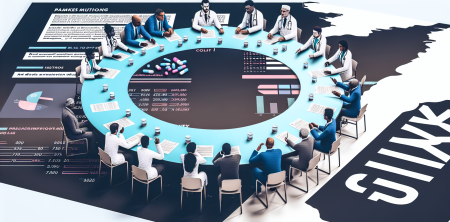
On April 10, 2026, a pivotal national summit aimed at addressing the dual crises of prescription and illicit drug use was launched by a coalition of physicians. This initiative, spearheaded by the American Medical Association (AMA), emphasizes the critical role of physician-led, team-based care in combating opioid use disorder and enhancing pain management strategies.
Addressing a Growing Crisis
The summit comes at a time when the United States is grappling with an escalating public health crisis fueled by both prescription medications and illicit drugs. According to the Centers for Disease Control and Prevention (CDC), over 100,000 overdose deaths were reported in the past year alone, underscoring the urgent need for comprehensive strategies to combat substance use disorders.
The Role of Physicians in Combating Drug Use
AMA President Bobby Mukkamala, MD, a prominent advocate for responsible pain management practices, opened the summit by highlighting the importance of collaboration across various sectors of healthcare. "To effectively address opioid use disorder and improve pain management, we must harness the collective expertise of physicians, pharmacists, public health leaders, and policymakers," Dr. Mukkamala stated. This collaborative approach is essential for ensuring timely access to care and fostering sustained recovery for patients.
A Holistic Approach to Care
The summit emphasized a community-centered approach to healthcare, recognizing that solutions to drug-related health challenges must be tailored to the unique needs of each community. Dr. Mukkamala noted that traditional methods of treating substance use disorders often fall short because they do not consider the social determinants of health that contribute to addiction.
- Access to Care: Ensuring patients have timely access to appropriate treatment options.
- Education: Providing education for healthcare providers on responsible prescribing practices.
- Community Engagement: Involving local organizations in outreach programs to raise awareness and reduce stigma.
This comprehensive framework aims to create sustainable solutions that not only treat addiction but also prevent it from taking root in the first place.
Innovative Initiatives and Investments
During the summit, various innovative initiatives were showcased, including programs that integrate mental health services with drug treatment, as well as those that employ technology to monitor patient progress. The AMA has pledged to continue investing in community-centered programs that focus on prevention, education, and recovery support.
One notable initiative discussed was the implementation of telehealth services for substance use treatment, which has gained traction particularly in the wake of the COVID-19 pandemic. Telehealth provides patients with greater access to care, especially in rural or underserved areas where traditional healthcare services may be lacking.
Legislative Support and Advocacy
The summit also served as a platform for advocating for legislative changes that support these initiatives. Dr. Mukkamala called on policymakers to prioritize funding for programs that aim to reduce opioid prescriptions while simultaneously expanding access to evidence-based treatment for substance use disorders.
"We need to ensure that our laws keep pace with the evolving landscape of drug use and addiction treatment," he asserted. This includes advocating for policies that promote harm reduction strategies, such as syringe exchange programs and supervised consumption sites, which have been shown to save lives.
Building a Supportive Community
Another key theme of the summit was the necessity of building a supportive community around individuals struggling with substance use disorders. Dr. Mukkamala emphasized that recovery is not a solitary journey; it requires a network of support from family, friends, and healthcare professionals.
"We must foster an environment where individuals feel safe seeking help and are met with compassion rather than judgment," he added. This approach not only aids in recovery but also helps to reduce the stigma associated with addiction, encouraging more individuals to seek the care they need.
Conclusion
The National Rx and Illicit Drug Summit marks a significant step forward in the fight against substance use disorders in the United States. By bringing together diverse stakeholders and emphasizing collaborative, community-centered care, the initiative aims to create a comprehensive framework that addresses both the immediate and long-term challenges posed by drug use.
The ongoing commitment of physicians and healthcare leaders to work together will be crucial in ensuring that patients receive the care and support they need. As the summit concluded, it was clear that while the challenges are daunting, the potential for meaningful change is within reach.

