```html
1. Introduction to Praxis Testing
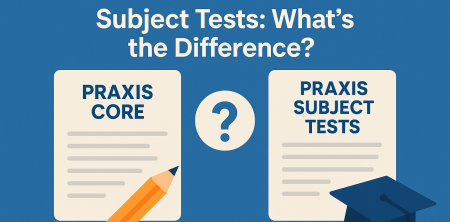
The Praxis testing program, administered by Educational Testing Service (ETS), plays a crucial role in the certification process for aspiring educators in the United States. It consists of various assessments designed to measure a candidate's academic skills and subject-specific knowledge. Among these tests, two main categories stand out: the Praxis Core tests and the Praxis Subject assessments. Understanding the differences between these two types of tests is vital for future teachers as they prepare for their careers in education.
Both Praxis Core and Subject tests serve different purposes in the teacher certification process. While Praxis Core assesses fundamental skills necessary for teaching, the Praxis Subject Tests evaluate proficiency in specific content areas. This article will explore the distinctions between Praxis Core and Praxis Subject Tests, providing insights into their structure, content, and significance in the education sector.
2. What is the Praxis Core?
The Praxis Core tests are designed to evaluate basic skills in reading, writing, and mathematics. These assessments are primarily aimed at individuals entering teacher preparation programs. The tests help ensure that candidates possess the necessary foundational skills to succeed in their academic and professional endeavors.
The Praxis Core consists of three separate subtests: Reading (5712), Writing (5722), and Mathematics (5732). Each subtest is scored on a scale from 100 to 200, with a passing score typically ranging from 150 to 160, depending on the state or program requirements. The reading subtest focuses on comprehension and analysis of complex texts, while the writing section assesses both argumentative and informative writing skills. The mathematics component evaluates candidates on quantitative problem-solving and basic arithmetic through algebra and geometry.
In recent years, there has been a growing emphasis on integrating technology into education, which has also influenced the format of the Praxis Core tests. With the growing use of digital platforms in teaching, candidates may find that becoming proficient in using technology can not only help them perform better on these tests but also prepare them for modern classroom environments.
3. Understanding the Praxis Subject Tests
Unlike the Praxis Core, which targets general skills, the Praxis Subject Tests focus on specific subject areas that teachers will instruct. These tests help gauge a candidate's knowledge and understanding of the content they will be teaching, ensuring they are well-prepared to deliver subject-specific instruction to students.
The Praxis Subject Tests cover a wide range of disciplines, including but not limited to mathematics, social studies, and various sciences. Some commonly taken Praxis Subject Tests include Praxis Mathematics (5161), Praxis Social Studies (5081), and Praxis English Language Arts (5038). Each test is tailored to measure the depth of understanding and expertise required in that particular field and is scored similarly to the Core tests.
One of the key advantages of the Praxis Subject Tests is the use of real-world scenarios and case studies in the questions. For example, a test-taker might encounter a question that requires applying mathematical concepts to solve a problem found in a classroom setting. This relevance helps ensure that future educators can bridge the gap between theoretical knowledge and practical application.
4. Key Differences in Test Structure
When considering the structure of the Praxis Core versus Praxis Subject Tests, it's essential to recognize how each is designed to fulfill its purpose. The Praxis Core tests are uniformly structured, consisting of multiple-choice questions and an essay for the writing component. The focus is on evaluating fundamental skills necessary for academic success.
In contrast, the Praxis Subject Tests vary considerably in structure and content depending on the subject area. While some subject tests may include multiple-choice questions, others require constructed-response or performance-based tasks. This diversity in testing structure reflects the specific knowledge and skills required for different teaching disciplines, making the assessments more relevant to the educators' future instructional roles.
For example, the Praxis Subject Test for Mathematics may include a greater emphasis on problem-solving and real-life applications, whereas the Praxis Subject Test for English Language Arts might incorporate literary analysis and comprehension. Understanding these differences can help test-takers focus their preparation efforts more effectively.
5. Scoring Systems: How Do They Compare?
Scoring for the Praxis Core and Subject Tests follows a similar format, but there are nuances worth noting. Both tests use a scaled scoring system, which means that raw scores are converted to a standardized scale. However, the passing scores can differ significantly between the two testing categories.
The Praxis Core typically has a passing score set by individual states or institutions, often falling between 150 and 160. In contrast, passing scores for Praxis Subject Tests can vary much more widely. Each subject test has its own established passing score based on analyses of the content area and the competencies required for effective teaching in that subject. This variability means candidates must research specific requirements for the tests relevant to their teaching aspirations.
In addition, understanding the nuances of scoring can help candidates approach the tests with a clearer mindset. For instance, while a candidate may perform well in one area, they might need to devote additional preparation time to another area where they feel less confident. This understanding can lead to more strategic study sessions and ultimately a better performance on the tests. (See: Teaching Strategies for Learning.)
6. Preparation Strategies for Praxis Core
Preparing for the Praxis Core tests requires a well-rounded approach to build foundational skills in reading, writing, and mathematics. Candidates often benefit from using a combination of study materials, including official Praxis study guides, practice tests, and online resources. The ETS website offers sample questions and preparation materials tailored to the Praxis Core, which can be invaluable for understanding the test format and content.
Additionally, candidates should consider dedicating time to honing their test-taking strategies. This includes time management during the exam, understanding question types, and practicing with timed conditions. Joining study groups or seeking tutoring can also provide support and boost confidence as candidates prepare for this essential step in their teaching journey.
Another useful strategy is to take full-length practice exams under real testing conditions. This not only familiarizes candidates with the timing and pacing of the actual test but also helps to alleviate test anxiety. Understanding how to maintain focus and manage stress during the exam can be as critical to success as the knowledge itself.
7. Preparation Strategies for Praxis Subject Tests
Preparation for Praxis Subject Tests requires a more specialized approach, given the broader range of content areas. Candidates should focus on reviewing the specific subject matter, curriculum standards, and pedagogical practices relevant to the subject they intend to teach. Many resources, including textbooks, online courses, and educational websites, can aid in this preparation.
Additionally, taking practice tests for specific subject assessments can help candidates familiarize themselves with the types of questions they will encounter. Many educators recommend engaging with peers and mentors who teach the same subject area to gain insights and tips on passing the Praxis Subject Tests. These collaborative learning efforts can significantly enhance a candidate's readiness and confidence when approaching their chosen subject area.
Beyond traditional study methods, incorporating multimedia learning resources—like educational videos and podcasts—can also bolster understanding. These resources often present information in engaging formats that can make complex subjects more accessible and easier to remember.
8. Current Relevance and Trends in Praxis Testing
The relevance of Praxis testing in the teacher certification process remains significant, especially as educational standards evolve. Many states require passing scores on the Praxis Core and Subject Tests as part of the certification process, and this trend is unlikely to shift in the near future. With increasing emphasis on teacher quality and preparedness, the assessments serve as a crucial benchmark for evaluating candidates.
Furthermore, the rise of alternative certification pathways and changes in educational standards have heightened competition among aspiring educators. Consequently, candidates must approach Praxis testing with a strategic mindset, leveraging available resources to ensure they meet or exceed the required scores. Keeping abreast of any changes in testing requirements at the state level is essential for candidates as they navigate their certification journey.
Additionally, with the integration of technology in education, some states are exploring alternative assessment methods that might align better with modern teaching practices. This shift could lead to changes in how Praxis tests are administered and evaluated, making it essential for candidates to stay informed about any updates in the certification process.
9. Common Myths About Praxis Testing
Despite the importance of Praxis testing, several misconceptions exist that can cause confusion for candidates. One common myth is that the Praxis Core tests are unnecessary for all teaching candidates, when in fact, many states require them as a prerequisite for entering teacher education programs. Moreover, some individuals believe that only exceptional students pass these tests, which is simply not the case. Adequate preparation and understanding of the material can lead to success for a wide range of candidates.
Another prevalent myth is that the Praxis Subject Tests are the only assessments needed for certification. In reality, many states require both Praxis Core and Subject Tests as part of their certification criteria. Candidates need to be well-informed about their state's specific requirements to avoid any surprises on their path to becoming certified educators.
One additional myth is that once a candidate passes the Praxis tests, they are set for life. However, many states require ongoing professional development and re-certification, which may include taking additional assessments or courses. Candidates should be prepared to continue their education even after passing the Praxis assessments to maintain their certification.
10. Final Thoughts: Choosing Your Path
As you prepare for your teaching career, understanding the differences between Praxis Core and Praxis Subject Tests is paramount. Each test serves a distinct purpose in the certification process, assessing your readiness for teaching and your specific content knowledge. By recognizing the nuances between the two assessments, you can tailor your study strategies effectively and ensure you're well-prepared to meet the requirements of your state's certification process.
Ultimately, your success in the Praxis testing program will not only reflect your qualifications as a teacher but also your dedication to the profession. Embrace this journey with a clear understanding of what lies ahead, and you’ll be well-equipped to make a meaningful impact in the field of education.
11. Frequently Asked Questions (FAQ) about Praxis Core vs Praxis Subject Tests
Q1: What is the main difference between the Praxis Core and the Praxis Subject Tests?
A1: The Praxis Core tests assess general academic skills in reading, writing, and mathematics, while the Praxis Subject Tests evaluate knowledge and proficiency in specific content areas that a teacher will instruct. (See: Recent Trends in Education Testing.)
Q2: Do I need to take both Praxis Core and Subject Tests?
A2: It depends on the requirements set by your state or institution. Many states require both assessments for teacher certification, so it’s important to check specific requirements for your area.
Q3: How can I find out the passing scores for the Praxis tests in my state?
A3: You can visit the official ETS website or your state’s education department website to find information on the passing scores for Praxis tests required for certification.
Q4: Are there study resources available for the Praxis tests?
A4: Yes, ETS provides official study guides, practice tests, and sample questions on their website. Additionally, various educational websites and bookstores offer study materials tailored to both Praxis Core and Subject Tests.
Q5: How long are the Praxis Core and Subject Test scores valid?
A5: Praxis scores typically remain valid for a certain number of years, but this can vary by state. It's advisable to consult your state's certification board for specific information regarding score validity.
Q6: Can I retake the Praxis tests if I don’t pass?
A6: Yes, candidates can retake the Praxis tests. However, it’s important to check the retake policies for your specific state or program, as there may be waiting periods or limits on how many times you can retake a test.
Q7: What if I have a degree in education but haven’t taken the Praxis tests yet?
A7: While having a degree in education is beneficial, passing the Praxis tests is often a requirement for certification. It's essential to prepare and schedule the tests to fulfill certification requirements.
Q8: Are accommodations available for test-takers with disabilities?
A8: Yes, ETS offers accommodations for candidates with disabilities. It’s important to apply for accommodations in advance and provide the necessary documentation to ensure the appropriate support is in place on test day.
12. Exam Day: What to Expect
On the day of your Praxis exam, it's normal to feel a bit nervous. Knowing what to expect can ease your anxiety. Arrive early at your testing center, so you have time to check in, get comfortable, and perhaps even review a few last-minute notes. Be sure to bring a valid ID and any other required materials. Each testing location has specific rules, including what items you can bring into the testing room. Familiarizing yourself with these can help you avoid surprises.
Once inside, you will go through a check-in process where your ID will be verified, and you may have to store personal items in a designated area. The exam will be administered on a computer, and you will have specific time limits for each section. Pay attention to the on-screen instructions, as they are designed to help you navigate the test efficiently. Take advantage of the breaks provided, as well, to rest your mind.
13. Post-Test: Understanding Your Results
After completing the Praxis tests, candidates are usually anxious to see their results. Scores are typically accessible within a few weeks, but the exact timeline can vary. Each test will provide a detailed score report, which may include your raw score, scaled score, and the performance breakdown for different content areas.
Understanding your results is crucial. If you achieve passing scores, you will receive a notification confirming your eligibility for certification. If not, the report will help identify areas where you may need further study. It's important to remember that retaking a test can be a strategic decision; many candidates find that focusing on weaker areas leads to improved performance in subsequent attempts.
14. Success Stories: Inspiring Examples
Hearing about others’ experiences can be incredibly motivating. Many educators have faced the challenge of passing the Praxis tests and have valuable insights to share. For example, a recent graduate named Sarah struggled with the mathematics section of the Praxis Core but dedicated herself to a structured study schedule, focusing specifically on practice problems related to algebra and geometry. After several weeks of preparation, she not only passed but also felt more confident in her teaching abilities.
Another inspiring story comes from James, who prepared for the Praxis Subject Tests while teaching part-time. By integrating his study materials into his daily lesson planning, he was able to contextualize his learning within the classroom environment, making the study process more relevant and less daunting. James successfully passed his Subject Tests and attributes his success to the practical application of what he was learning.
These stories highlight that with the right preparation and mindset, passing the Praxis tests is achievable. They serve as reminders that persistence, adaptability, and resourcefulness can lead you to success in your teaching career.
15. Future of Praxis Testing
As educational standards continue to evolve, so does the Praxis testing landscape. ETS is committed to regularly updating the Praxis assessments to reflect changes in educational practices and state requirements. An increasing number of states are exploring ways to integrate technology into the testing process, potentially leading to more personalized assessment experiences.
Additionally, there is a growing conversation around the relevance of standardized testing in assessing teaching readiness. Stakeholders in education are continuously debating the effectiveness of these assessments in predicting teaching success. As a result, prospective candidates should stay informed about ongoing changes in the teacher certification process, as well as innovative assessment methods that may emerge in the future.
Ultimately, as future educators, understanding the evolving nature of Praxis testing will empower you to adapt your preparation strategies and stay ahead in your teaching career.
```
Trending Now
- our breakdown of unlock your future: exciting frontend developer opportunity with quinncia inc. and free frontend developer course
- the complete explanation
- this guide on conservation and logical thinking in middle school students
- this guide on why object permanence matters for preschool readiness
Frequently Asked Questions
What is the difference between Praxis Core and Praxis Subject Tests?
Praxis Core tests assess fundamental skills in reading, writing, and mathematics for aspiring educators, while Praxis Subject Tests evaluate proficiency in specific subjects related to teaching. Understanding this distinction is crucial for candidates preparing for teacher certification.
Who needs to take the Praxis Core tests?
The Praxis Core tests are primarily aimed at individuals entering teacher preparation programs. These assessments ensure that candidates possess the necessary foundational skills to succeed in their academic and professional endeavors in education.
What subjects are covered in the Praxis Core tests?
The Praxis Core tests consist of three subtests: Reading, Writing, and Mathematics. Each subtest evaluates essential skills, with reading focusing on comprehension, writing assessing argumentative and informative skills, and mathematics testing quantitative problem-solving abilities.
How are Praxis Core tests scored?
Each Praxis Core subtest is scored on a scale of 100 to 200. The typical passing score ranges from 150 to 160, depending on state or program requirements. Candidates must meet or exceed this score to proceed in their teacher certification process.
Why are Praxis Subject Tests important?
Praxis Subject Tests are important because they evaluate a candidate's knowledge and proficiency in specific content areas relevant to their teaching field. These assessments ensure that educators are well-prepared to teach their subjects effectively.
What did we miss? Let us know in the comments and join the conversation.

