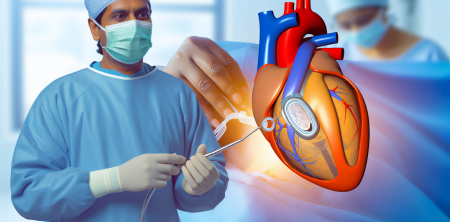
The landscape of cardiac surgery is evolving, particularly for patients facing significant risks due to severe heart dysfunction. A recent pilot study has shed light on the Impella 5.5 safety in cardiac surgery, revealing promising data that could reshape the clinical approach to high-risk cardiac surgery patients.
Understanding the Impella 5.5 Device
The Impella 5.5 is a percutaneous ventricular assist device designed to support heart function during critical periods, particularly in patients with severe left ventricular dysfunction. By providing hemodynamic support, it helps maintain vital organ function during surgery, making it a potential game-changer for high-risk patients who may otherwise face dire consequences. The device is intended for use in patients with a left ventricular ejection fraction (LVEF) of 35% or less, who are not in shock, allowing them to undergo necessary surgical procedures with greater safety.
Overview of the IMPACT Pilot Trial
Conducted by Johnson & Johnson, the IMPACT pilot trial involved a cohort of 100 patients, aiming to assess the Impella 5.5 safety in cardiac surgery settings. Announced on May 4, 2026, the trial demonstrated that the planned use of Impella 5.5 support is both safe and feasible for patients undergoing non-shock high-risk cardiac surgery.
- Patient Selection: The study focused on patients with severe left ventricular dysfunction, specifically those whose LVEF was 35% or lower.
- Timing of Intervention: Importantly, the support was initiated before weaning from cardiopulmonary bypass, a critical juncture in surgical procedures.
- Primary Goals: The trial aimed to evaluate post-operative outcomes, device-related event rates, and overall safety in the targeted patient population.
Key Findings from the Study
The results of the trial are groundbreaking, offering a glimpse of hope for patients who previously faced significant risks during cardiac surgeries. The findings highlight several notable aspects:
- Favorable Post-Operative Outcomes: The study reported positive outcomes for patients who received the Impella 5.5 support, indicating that the device can effectively enhance recovery.
- Low Device-Related Event Rates: The incidence of complications related to the device was minimal, suggesting that the Impella 5.5 safety in cardiac surgery is robust.
- Reduced Risks: Patients who were supported by the device experienced lower rates of mortality, renal failure, stroke, and cardiogenic shock compared to those who might not have had this preemptive support.
The Importance of Early Intervention
One of the most critical insights from the IMPACT trial is the importance of timing in device support. By initiating Impella 5.5 assistance before transitioning off cardiopulmonary bypass, the study suggests that clinicians can significantly improve patient outcomes. This early intervention can stabilize patients who are particularly vulnerable, providing necessary support as the heart begins to take on its natural workload again.
Implications for Future Cardiac Surgeries
The findings of the IMPACT pilot trial have significant implications for the future of cardiac surgery, particularly for high-risk patients. Here are some ways this research could change clinical practices:
- Broader Use in High-Risk Cases: With evidence supporting the safety and efficacy of Impella 5.5, surgeons may be more inclined to use this device in a wider range of high-risk surgical scenarios.
- Tailored Surgical Approaches: The results may encourage a more individualized approach to cardiac surgery, allowing healthcare providers to tailor their strategies based on the specific needs of each patient.
- Enhanced Patient Safety: Ultimately, the findings provide a path toward enhanced safety in cardiac surgery, reducing the risks associated with severe left ventricular dysfunction.
The Emotional Resonance of the Findings
The implications of the study extend beyond clinical outcomes; they resonate deeply with patients and families facing the challenges of high-risk cardiac conditions. For families grappling with the fear of surgery, the knowledge that there is a supportive device that can improve outcomes brings a sense of hope and reassurance. The human aspect of medical innovations is often overlooked, yet it plays a crucial role in the adoption of new technologies.
Community Response and Social Media Buzz
Since the announcement of the trial results, there has been a notable buzz on social media platforms. The emotional weight of the findings has led to widespread sharing among communities affected by heart diseases. As people become more informed about the Impella 5.5 safety in cardiac surgery, discussions surrounding innovative surgical options are gaining traction, emphasizing the need for urgent awareness.
Next Steps for Research and Implementation
While the pilot trial presents promising data, further research is essential to solidify these findings and explore long-term outcomes. Future studies should include larger patient populations and diverse demographics to ensure that the Impella 5.5 device can be universally applicable. Additionally, examining the cost-effectiveness of its application in surgical settings will be crucial for healthcare systems.
Conclusion: A Path Forward for Cardiac Patients
The results from the IMPACT pilot trial mark a significant step forward in addressing the needs of high-risk cardiac surgery patients. As we continue to explore the Impella 5.5 safety in cardiac surgery, the hope is that this technology will become standard practice, offering life-saving support to some of the most vulnerable patients. With ongoing research and clinical trials, the future looks promising for advancements in cardiac care.
For patients, families, and healthcare providers alike, the findings from this study underscore the importance of innovation in medicine. By embracing new technologies like the Impella 5.5, we can pave the way for safer surgical procedures and improved patient outcomes, ultimately transforming the landscape of cardiac surgery.

